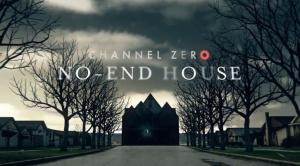
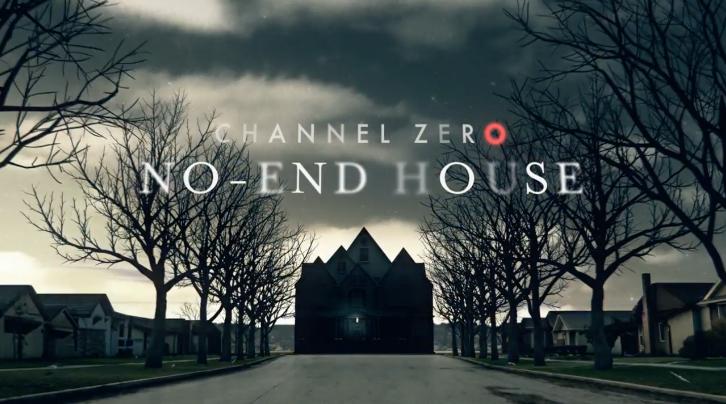
 Channel Zero’s first season, based on the creepypasta Candle Cove, won plaudits for its individual style. The second season, No-End House, expands the original creepypasta in many different ways, and shortly after episode 1 aired, showrunner and creator Nick Antosca chatted with Paul Simpson about the show’s new run…
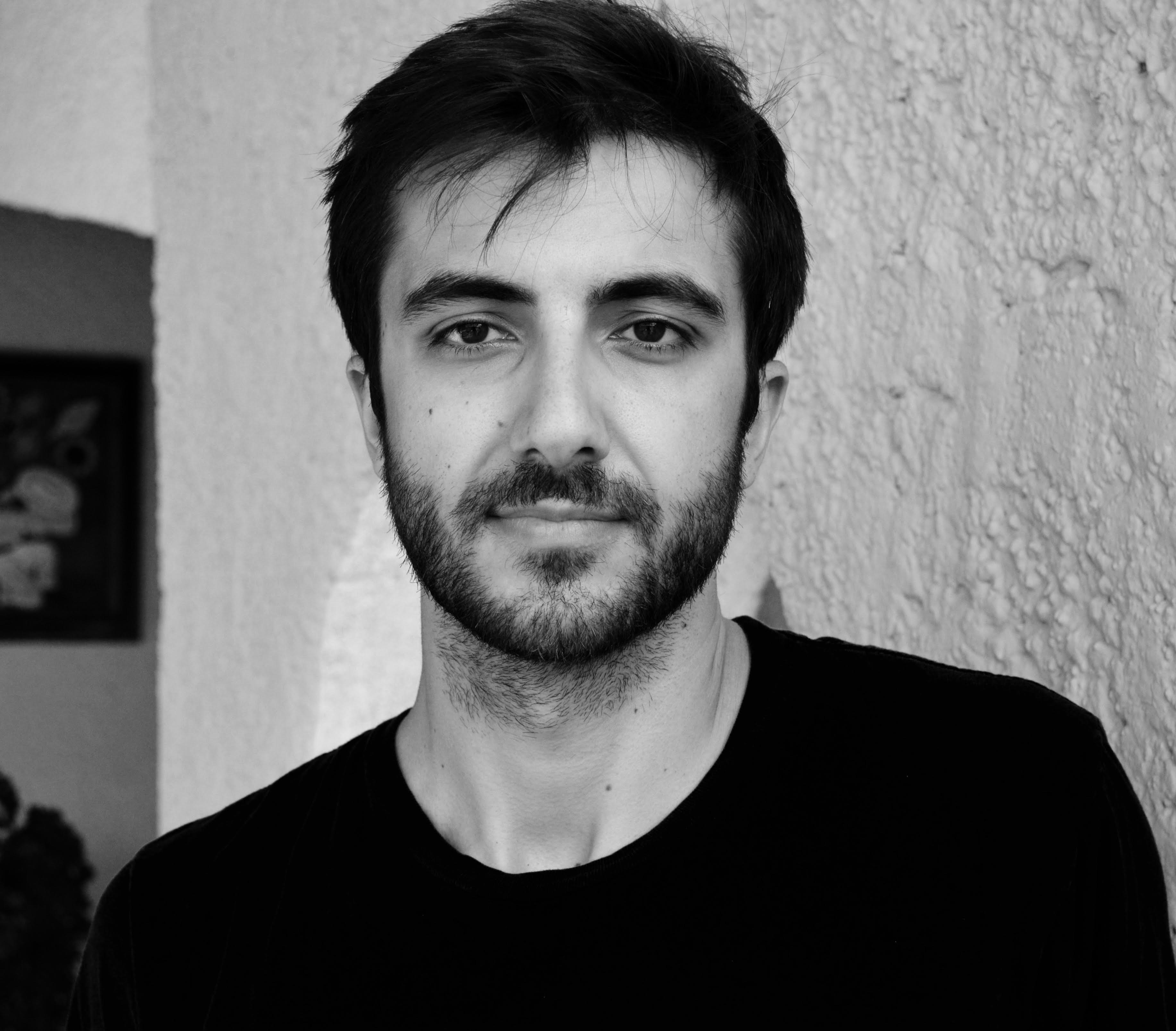
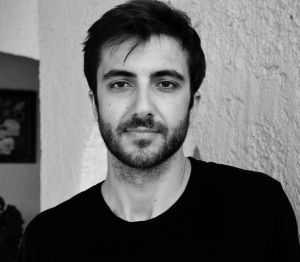 You’re bringing in indie directors for each season of Channel Zero. What was it that attracted you to Steven Piet’s work?
I saw his film – his only film – Uncle John when I was looking for directors for No-End House and I thought it was just a really unique and specific and masterfully done film. It had obviously been done for very little money but looks beautiful, was very psychologically well observed, and was very specific. I don’t know another film that quite operates or is structured as it is. He also had clearly a great grasp of how to create suspense and that, along with a distinctive visual style, was the most important thing when I’m looking for directors.
So I reached out to him, and Steven and his producing partner, Erik Crary, came on board really quite quickly and SYFY was particularly supportive too, particularly I think because Craig Macneill was doing so well on the first season. It was a very smooth, cool, collaborative process.
When he came on board, series 1 hadn’t aired at all; what was the core of what you were offering him?
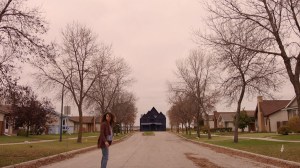 I said that it’s not going to be a normal type of TV directing job. You’ll come in and put your stamp on it, you will have a lot of creative freedom, it will be very collaborative and it’s not going to be your typical cable cheap scares horror show. When you hear about something based on creepypasta on the SYFY network what you’re picturing is not what we’re doing – it’s something indie and strange, and we’re going to take risks.
SYFY has been making a big point during its 25th anniversary of going back to its roots, and Channel Zero does seem to be one of the series demonstrating that – looking at storytelling rather than spectacle.
I hope so. Our budget is extremely low which allows us to take some risks . SYFY has been very supportive of our show particularly in letting us hire really unexpected directors and craftspeople on the show. They’ve shown a lot of faith. They let us write unusual stories – they’ve been very supportive in the writers’ room, the scripts. It’s a very good place to make TV for me.
 The original creepypasta for this seems to be far more basic scares than what you’ve brought out in the episodes aired so far – there’s an intensity to it that I wasn’t quite expecting from the creepypasta. Did you treat that simply as a starting point – there were things you wanted to deal with this season and this creepypasta was the way of telling them?
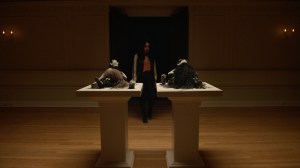
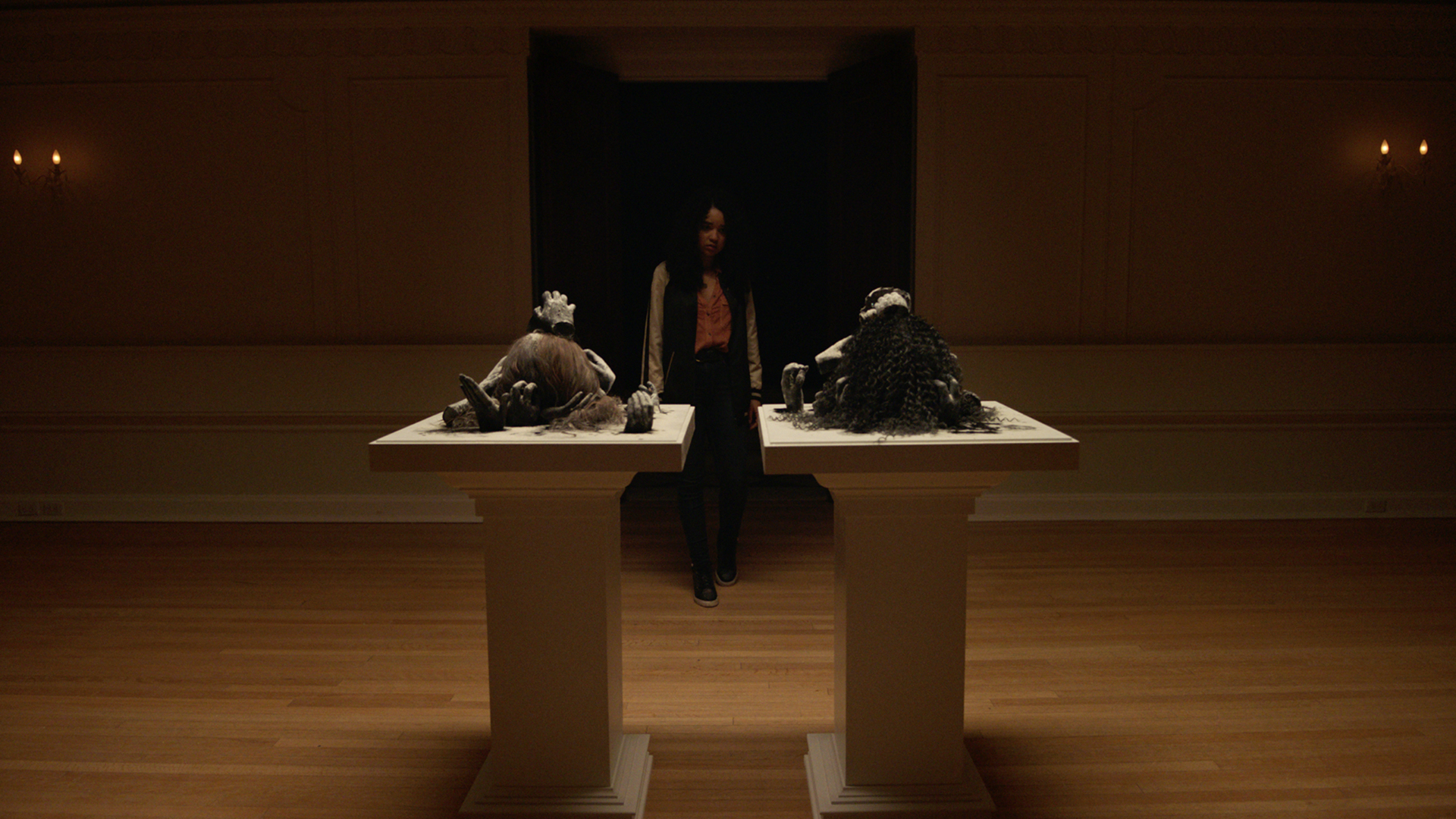
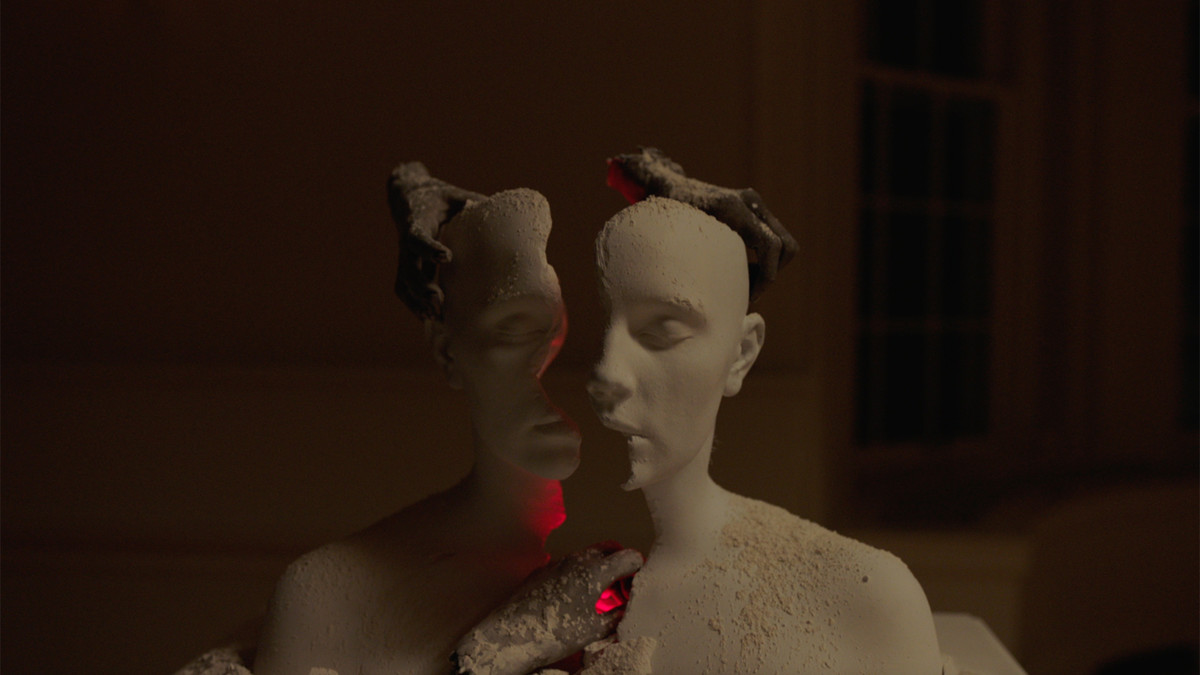
We’re always going to choose creepypastas where there’s something about it we love and in this case, what I loved was the concept of the No End House, although not necessarily every room, which I think works more effectively on the page than it would on screen.
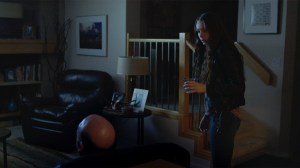
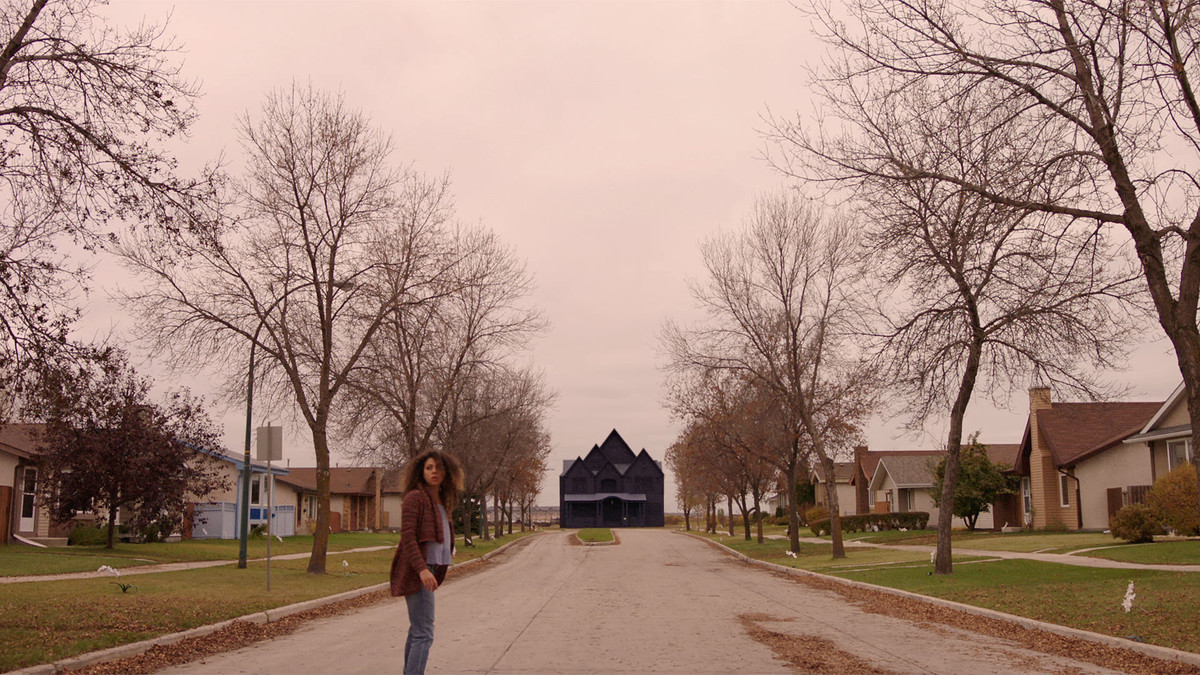
What I really loved about the story, that I thought would make it exciting for us creatively, was the idea that when you leave the house, you can’t trust your reality any more and you start to believe that maybe you’re still in the last room of the house. Going from room to room in the house is cool – and we had to execute that in a really cool way, and that was awesome to do – but the more psychologically interesting thing to me is what happens after you leave the house.
That required creating a new protagonist with an intense backstory and I wanted to tell that character’s story specifically. It relates to some stuff in my own life and I wanted to make it a relatable character and explores what happens to her when her reality became untrustworthy.
 Was there any conscious attempt to be deliberately different from Candle Cove or were you simply doing what was right for that story?
I would say both are true; they’re not mutually exclusive. We always wanted each season to be distinguished stylistically from the previous season. We always wanted it to be a slightly different flavour of horror.
However there are themes that connect each season and there will continue to be as we go forward – personal trauma, mental instability (which to me is one of the scariest things anyone can experience), fear of loss. Both Candle Cove and No-End House were about main characters dealing with intense loss. In the case of Candle Cove, it’s about a man who’s running away from his past, in the case of No-End House, it’s about a woman who’s stuck in the past and can’t let go of her father’s memory. Each season is about the main character dealing with that in some way.
 You’ve assembled a really strong cast again for this season.
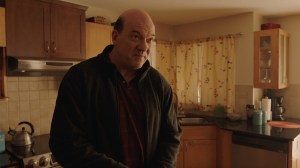
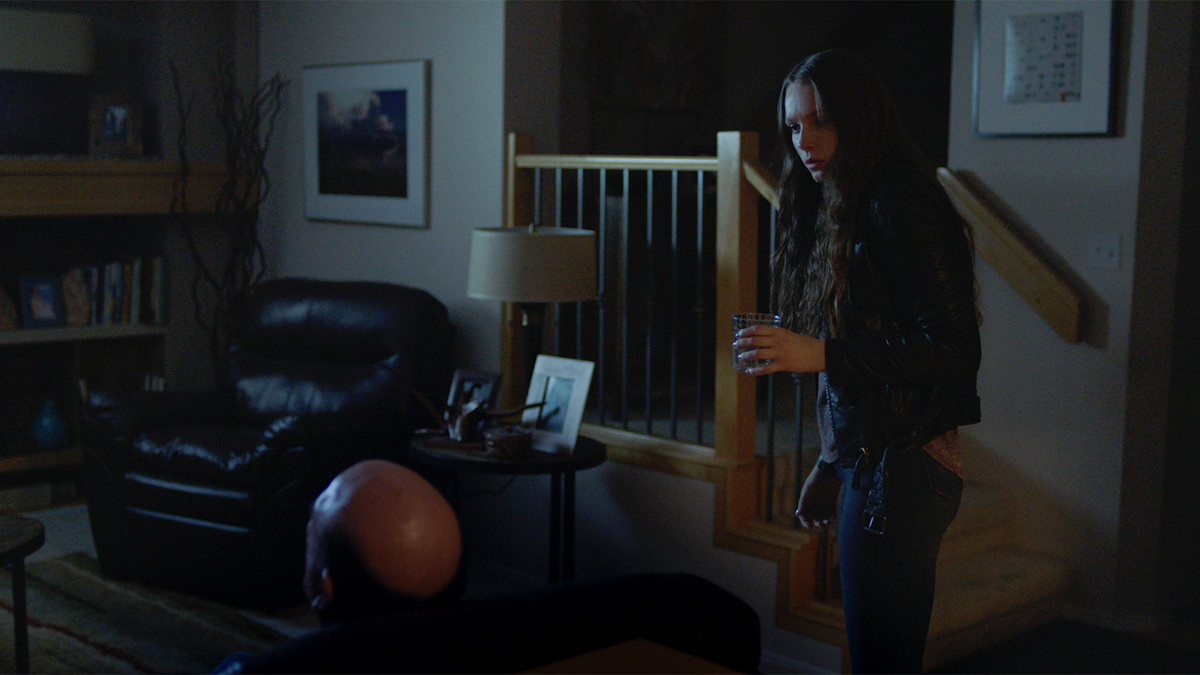
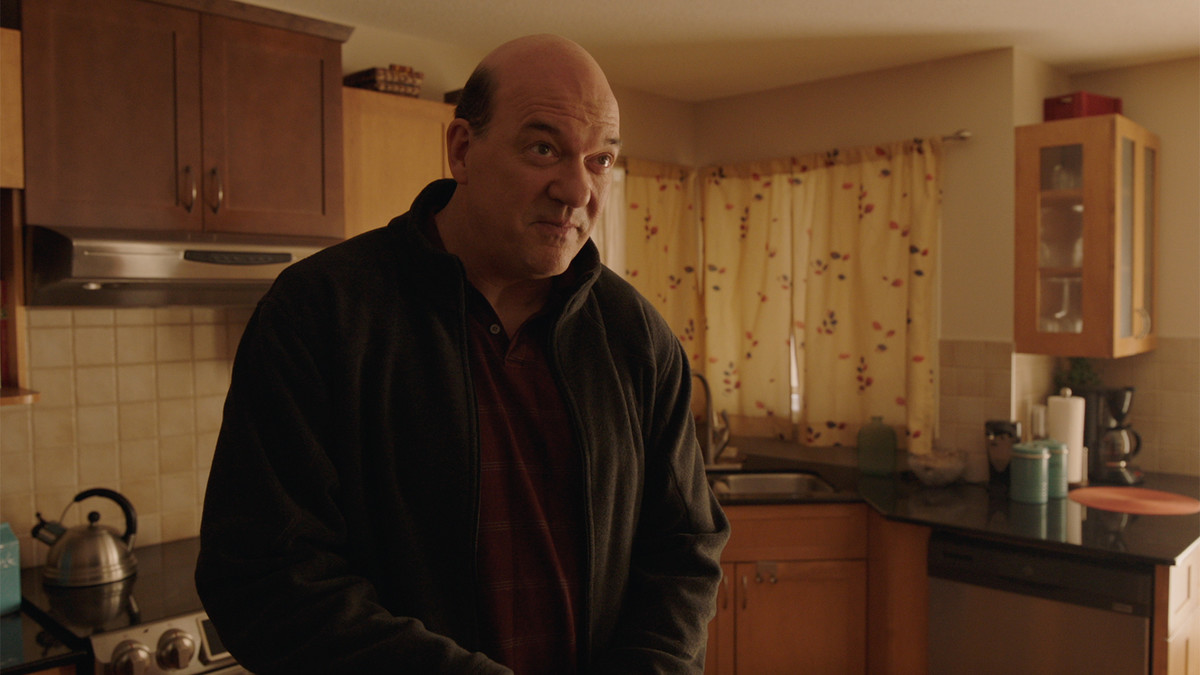
I really love our actors in both seasons. I’m really proud of the work that they did. In season 2, John Carroll Lynch is obviously the recognisable face – he was someone we pursued aggressively for the role and he was into the script. His character has a lot of things to do – he appears for two minutes in the first episode but features more strongly later.
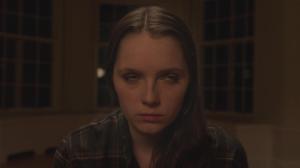
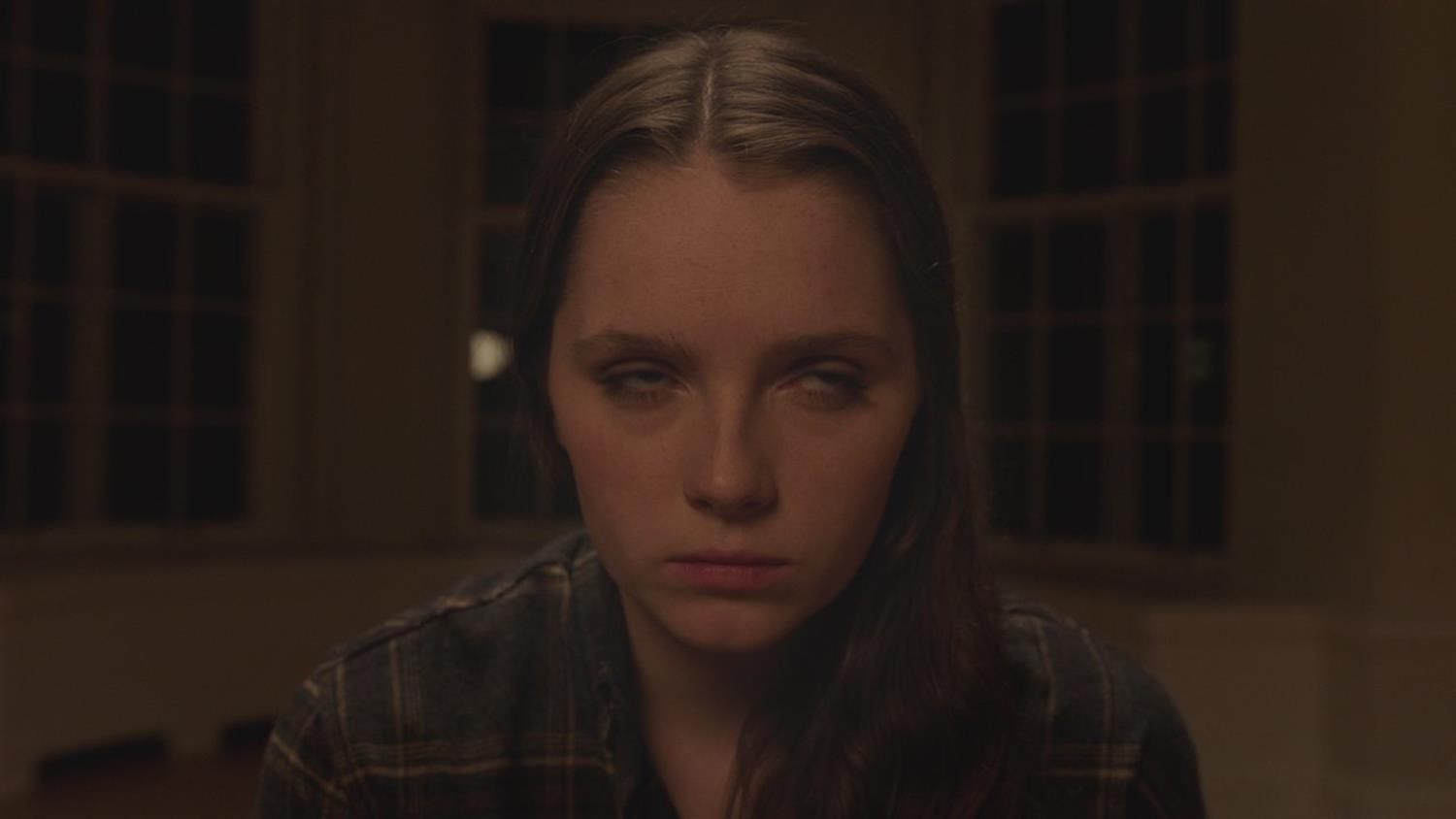
Our younger cast will be very recognisable faces. They’re particularly talented. I’ve worked on a bunch of shows with a lot of young actors and these actors are a joy and a pleasure to work with. Amy Forsyth in particular really does a lot of heavy lifting through the season, the show really rests on her. Aisha Dee is fantastic, Jeff Ward I really love – he was in a short film that somebody made based on one of my short stories a while ago called The Girlfriend Game. I remembered him from that. We were trying to cast the role of Seth for so long, and I wondered if Jeff Ward was available,. We got him and he’s doing Agents of SHIELD now. All of these people had either just or right after we finished, got some big roles – Jeff on Agents of SHIELD, Amy’s gone onto Jason Katims’ new show on NBC, Aisha’s on Freeform’s The Bold Type that’s done very well. I think we’ll see these actors for a good while to come.
 Was shooting the second season any less challenging than the first, having gone through it once, or did it just throw up its own particular challenges and problems?
This show is always going to have its own particular challenges and problems each season because the seasons are different. In season 2, there were things that we were doing that we hadn’t experienced in the first season, and there were also things that we knew to avoid doing that had been particularly challenging, just scheduling-wise and location-wise.
I think maybe No-End House was a little more challenging to shoot just because we were doing them back to back, so me and the crew and my line producer were pretty exhausted. I was also editing Candle Cove while we were shooting No-End House, so I was doing it remotely. I would get the cuts in Winnipeg where we were shooting, look at them in the evening or weekends, give notes, sometimes fly back to LA to be in the editing room with Craig then fly back to Manitoba where we were shooting. Then Candle Cove aired while we were shooting No-End House as well. It was a little more challenging with the scheduling.
W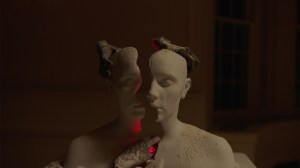 hat’s the situation on the next season?
We’ve shot the third instalment and we’re starting to edit it right now. I think it will air in 2018, and we are working on the fourth instalment.
Any clues on either?
I will say that the fourth instalment is based on a creepypasta that is much more obscure. The first two instalments are based on quite well-known ones. The fourth is a much smaller one in terms of its renown, but it was a story that I fell in love with and its potential.
The third instalment is much more loosely based on a creepypasta. It’s based on a story that I really loved but we took one element of the story and almost rebuilt from scratch. It’s a little bit different than the first two.
Thanks to Debbie Murray and Michelle Marron for their help in arranging this interview.
Channel Zero: No-End House continues on SYFY in the US on Wednesdays
Series 1, Candle Cove, comes to the UK on DVD and Bluray from Second Sight on October 30, with a fresh interview with creator Nick Antosca here




 Sci-Fi Bulletin: Exploring the Universes of SF, Fantasy, Horror and Spy-fi!