Prey: Interview: Dan Trachtenberg
Dan Trachtenberg is both co-writer and director of the new Predator movie, Prey, set in Comanche territory in North America in 1719. During the press junket for the film he […]



Dan Trachtenberg is both co-writer and director of the new Predator movie, Prey, set in Comanche territory in North America in 1719. During the press junket for the film he […]
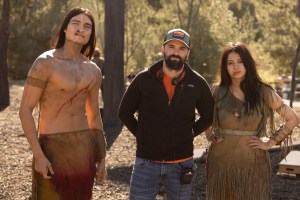 Dan Trachtenberg is both co-writer and director of the new Predator movie, Prey, set in Comanche territory in North America in 1719. During the press junket for the film he chatted briefly with Paul Simpson…
Why did you go for 1719 as the setting for Prey? Was that tying it to something in Comanche history? And was that part of your initial idea of it or did that very specific date come from preparation?
The year comes from a few places but I knew I was excited about making a movie that had protagonists that we never see on screen. Comanche in particular have so often been relegated to playing the sidekick or the villain and never the hero. When you do see Native Americans on screen it’s so often with cowboys in a western and typically in the 1800s, so we really wanted to go back much further. This movie is set at the height of the Comanche empire so that was certainly a component.
Of course there’s also stuff established in Predator canon that signalled ‘Oh, there could have been an interaction in a certain timeframe’, so that helped guide us as well.
 How much did Prey alter in terms of the storyline and the characters from your original idea for it, to what we see now?
In the initial pitch that I sent I thought it might have been a younger Predator and that Naru and it would team up together. We never wrote that version of the script, it was just my initial pitch and then, the more I thought about it, I took back what I said when I met with the studio because it felt like ‘No, no, the most exciting thing, the power of the premise, is taking this unlikely hero and pitting them up against the impossible and seeing how they might be able to potentially pull that off.’ Really embracing the David versus Goliath.
I never wanted to neuter the Predator in any way, make it easier for anyone. That would have not been going back to the core conceit of the original.
So, that was the initial thought but then I quickly moved off of it and since then, the movie very much reflects what the initial intentions were.
What was the biggest challenge for you working on this compared with Cloverfield or other projects?
 I am not a creature of the outdoors. I am much more at home playing video games and watching movies. So, even on our location scouts, we had to strap on snowshoes and climb up a mountain to check out a particular location and that was precarious and not fun (laughs) and physically demanding! Just getting to set some days, we had to cross a river.
None of that was fun for me and I was definitely tempted to let it hinder the filmmaking. There were so many times where it was like, ‘We could go check that out down there, we’d have to climb down a frigging mountain to do it, or we could go home.’ I was very tempted to be like, ‘We’ve seen enough today.’ But thankfully I was able to repress the video game addiction to take on the adventure.
That was the biggest challenge for me and it ended up being a very rewarding experience both in life and also making a better movie for all of it.
Prey is streaming now on Disney+UK and Hulu (US)
 Doctor Who News Star Trek News
 Sci-Fi Bulletin: Exploring the Universes of SF, Fantasy, Horror and Spy-fi!