Legion: Review: Season 2 Episode 1 Review: Chapter 9
David is back, and the search for the Shadow King continues. But as new alliances reveal themselves, the question remains, as ever – who to trust? Legion’s storming first season […]



David is back, and the search for the Shadow King continues. But as new alliances reveal themselves, the question remains, as ever – who to trust? Legion’s storming first season […]
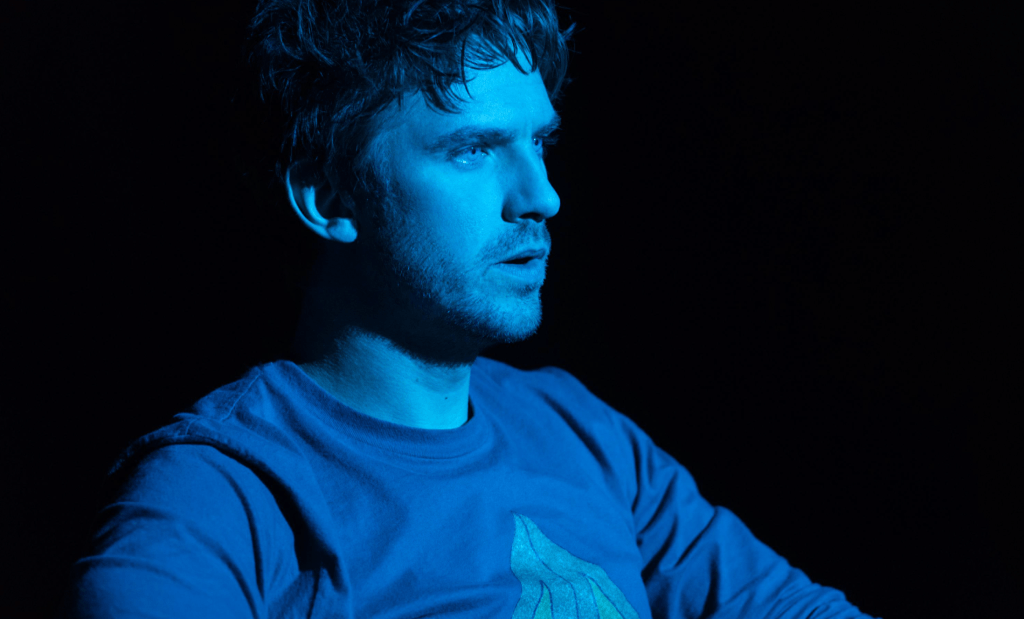 David is back, and the search for the Shadow King continues. But as new alliances reveal themselves, the question remains, as ever – who to trust?
Legion’s storming first season stood out so much because it refused to do anything conventional with its comic book characters, blending high-concept sci fi with horror elements and a truly unique visual and audio palette that kept the viewer constantly guessing, constantly on edge but thoroughly compelled. I’m happy to report that in its second season, things haven’t changed.
Except that they have. The mission may be the same (find the Shadow King and eradicate him before he can do more harm to the world), but the way in which that fight is conducted is very different.
For starters, the team no longer operate from Summerland. Now, they’re in a new base of operations with a new set of allies, working towards a common goal. That base is commanded by Admiral Fukuyama, a mysterious figure whose presentation, appearance and general vibe must be seen to be properly appreciated – suffice it to say that as a character, the Admiral fits right in with the show.
But the familiar faces are still there – Ptolemy, Cary and Kerry, and Syd are all present and correct, though with varying levels of trust for the newly returned David. Each suspects – to a greater or lesser extent – that David is not telling them the whole story about his absence, the length of which is itself a subject of some debate. David himself seems a little unclear about certain details of his time away, though in keeping with the whole ethos of the show, it’s not ever clear whether he’s holding out intentionally, being compelled to do so by another source, or simply unable to recall the things his friends need him to.
Because the threat now is more urgent, more terrible than before. The Shadow King is searching for that which he must never be allowed to locate, and the team are searching for it too, desperate to find it first and put an end to him and his plans.
Mixed in with the stuff that energetically pushes forward the plot, we get some philosophy lessons, which are doubly interesting in that they offer genuine insight into actual real-world issues while also illuminating certain conceptual areas of the plot. They’re also beautifully filmed, though at this stage with this show, that’s a given.
And that plot stuff has a lot to chew on as well. A lot has happened since we saw David disappear into that tiny floating sphere, and catching him up on events is done with such a light writer’s touch that you never see the exposition, even as it’s expositioning right in your face. We find out where we are, why we’re there and how we are moving forwards organically, and it’s a masterclass in this sort of thing that several other shows *cough, Krypton, cough* in the genre could do well to take a lesson or two from.
By the end, as a viewer I’m just as confused as when I begun, but not in the ‘What the hell is this show about’ sort of way that a badly written drama can do, more in the way that the protagonists themselves are – once again, this show promises to be an epic journey, and like the characters, as a viewer I’m just along for the ride.
Verdict: Balls-out, brazen and just as mad as you remember it. The show wastes no time in bathing the eyeballs in its trademark lunatic visuals as the plot pinballs from one point to the next, always ahead of the viewer by just enough to be interesting, and not so far that you get lost. It’s good to be back. 9/10
Greg D. Smith
 Doctor Who News Star Trek News
 Sci-Fi Bulletin: Exploring the Universes of SF, Fantasy, Horror and Spy-fi!