The Omega Factor: Interview: Louise Jameson
An eight-month job filmed in Scotland over thirty-five years ago is back in Louise Jameson’s life as she not only stars in but also writes episodes for Big Finish’s revival […]



An eight-month job filmed in Scotland over thirty-five years ago is back in Louise Jameson’s life as she not only stars in but also writes episodes for Big Finish’s revival […]
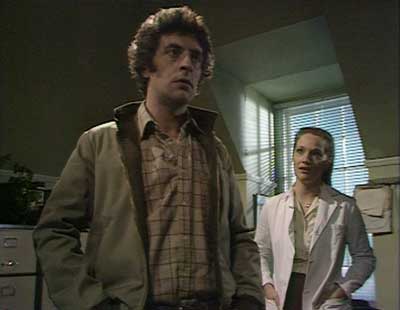
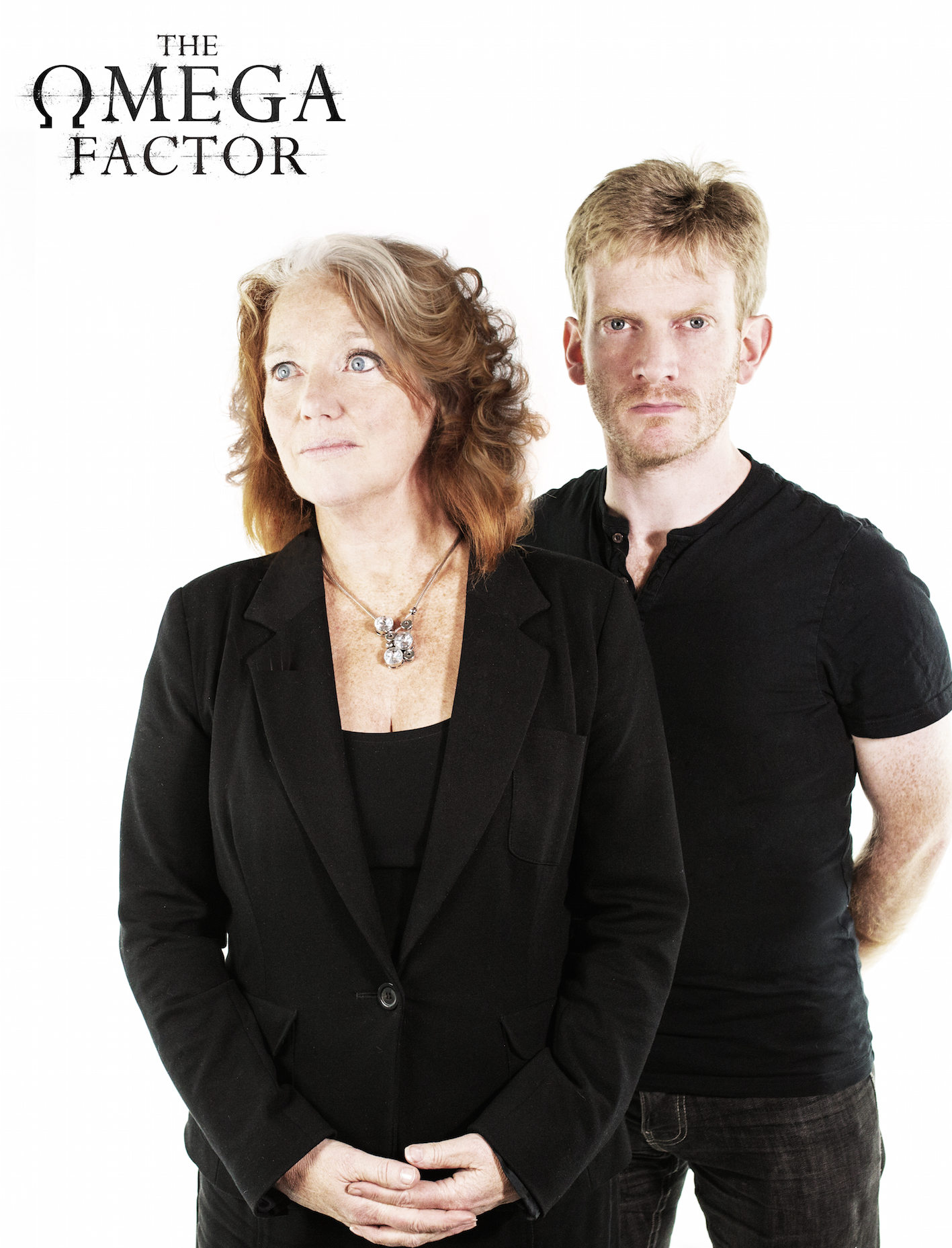 An eight-month job filmed in Scotland over thirty-five years ago is back in Louise Jameson’s life as she not only stars in but also writes episodes for Big Finish’s revival of Jack Gerson’s esoteric thriller The Omega Factor. Years after her character Anne Reynolds worked with James Hazeldine’s Tom Crane, she’s back at Department 7, alongside John Dorney’s Adam Dean. With the second box set of four stories just released, Jameson chatted with Paul Simpson about the show and her own story, Let the Angel Tell Thee… [very mild spoilers for the new set]
Of all the jobs that you’ve done, is this the one you least expected to come back up?
Yes, actually. I thought if it ever did come back, it would have been hot on the heels of the first series. I’m really surprised we didn’t get a second series – we were up around 9 million viewing. I don’t think there was ever a reason why it shouldn’t have been recommissioned other than the fact that it was being filmed in Scotland.
But it did seem to suffer from the Mary Whitehouse effect – she had perceived power at that point with the BBC. It was on at ten past eight – in the old Secret Army slot – but there was nothing gratuitous in it.
No – and there was an enormous amount of press interest. There was a big wave of esoteric stories, out of body experiences: they were hitting the news all over the place. We were very surprised it didn’t go again.
 Cut to 33/34 years later – how did you know Big Finish were thinking about bringing it back?
It was one of those green room conversations with [BF producer] David Richardson: how would I feel about it? He was going to have lunch with [series creator Jack Gerson’s daughter] Natasha to talk about the rights and would I come and have lunch so that she would know that we meant business and that I was on board with it.
I was very willingly on board with it. The thing that really attracted me to it was that we could do it thirty years on. I probably placed her in her mid-fifties rather than in her sixties, and she could be an older, more mature woman. There are few and far between leads of women in their fifties.
Of course, they thought long and hard about who to cast as Adam, who was obviously the replacement for the Jimmy Hazeldine character, coming in as his son. They went through so many names but then they had John Dorney sitting on their doorstep. It was just an obvious choice: I think he’s brilliant.
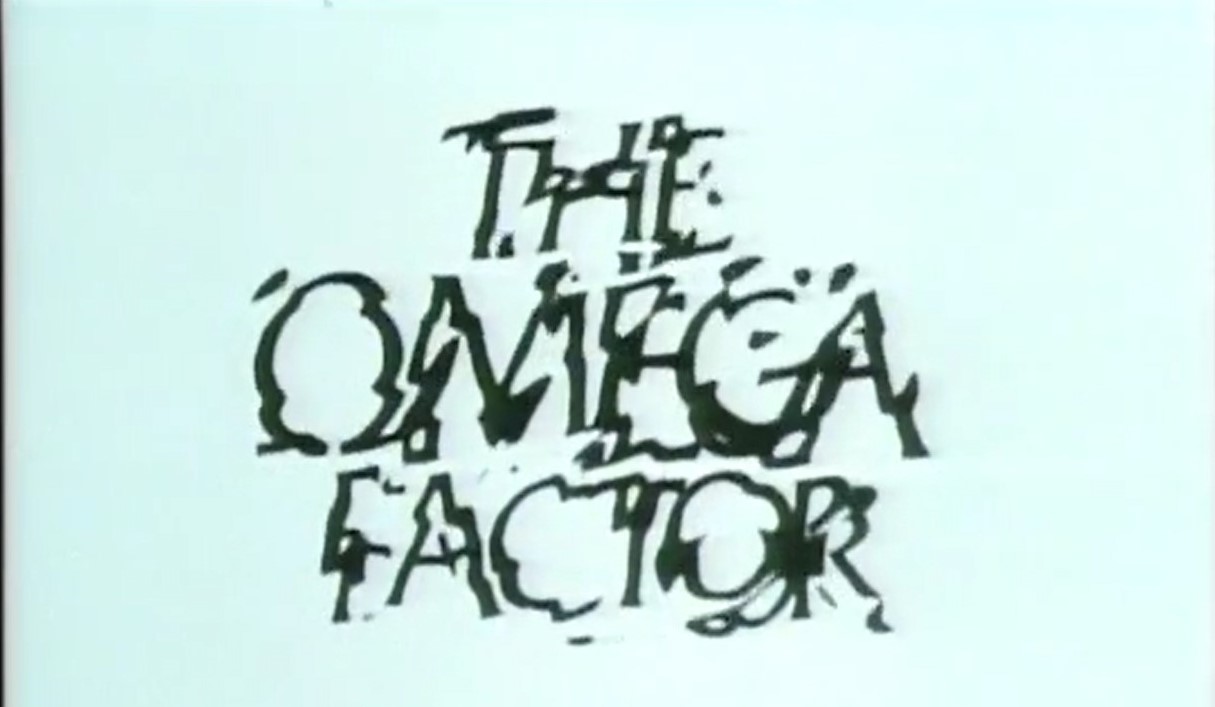 He is: the two of you together are fantastic.
I’m so fond of him in real life. He gets sent up a lot, he’s the butt of a lot of jokes, but I absolutely adore him. He’s so quirky and interesting. He’s got this extraordinary mind that latches onto things. And he’s a brilliant writer.
He says what he loves about doing it is the fact that he has nothing to do but act in it. He has no control over the writing or the editing or the story ideas, or anything. He just comes in as an actor and he loves having responsibility for no other area…
But you stepped into that!
(laughs) Yes. They’re nurturing my, for want of a better phrase, writing skills – I still feel like I’ve just stumbled in. That’s such good fortune for me that everything I write gets done. That can’t be sniffed at. And I’m mentored through it. Whatever I do, Matt Fitton is a glorious gentle tutor throughout the whole process.
What do you think you’ve learned in the process?
 I’ve learned more about story arcs. I never really had a problem with character relationships in my writing and because I’ve spoken other people’s words for nearly fifty years now, I know what works and what doesn’t just instinctively, even if I couldn’t perhaps discuss sentence construction. I know about speaking, especially contemporarily. What I struggle with is the story arc: the highs, the lows, the troughs, the peaks, and where they should come and how you should cut away and come back to the story, and how to keep suspense going through at least two storylines simultaneously. I send in my first draft and they go, “how about shifting this scene three scenes later, condensing that one, and cutting that one?” I go, “of course, that makes perfect sense”. I’m beginning to have that eye on my work now so they don’t have to do quite so much of that for me.
And as writers develop, they can surprise their editor by coming up with something new the editor wasn’t expecting – have you had that?
I haven’t had exactly that but when Dorney’s corrected a script and I’ve fought to hold on to something, he says he much prefers a writer to kick back because that means they really care about what they’re doing. Once I’ve explained what I was trying to do, he says, “ok, then we can solve that problem this way”. It makes him think outside the box and come back with a different suggestion so I can hold on to my babies and not cull them all!
How much did your script for this Omega Factor set change from your original idea to what we’re hearing now?
This one didn’t change that much – this has been my least problematic script because I knew immediately what I wanted to write about. I wanted the mature woman to have a sexual interest, which is where I started from, and to have Adam come in like a knight in shining armour to the rescue. It’s a very traditional story, a very simple story, but what I thought would make it interesting would be the heart connection.
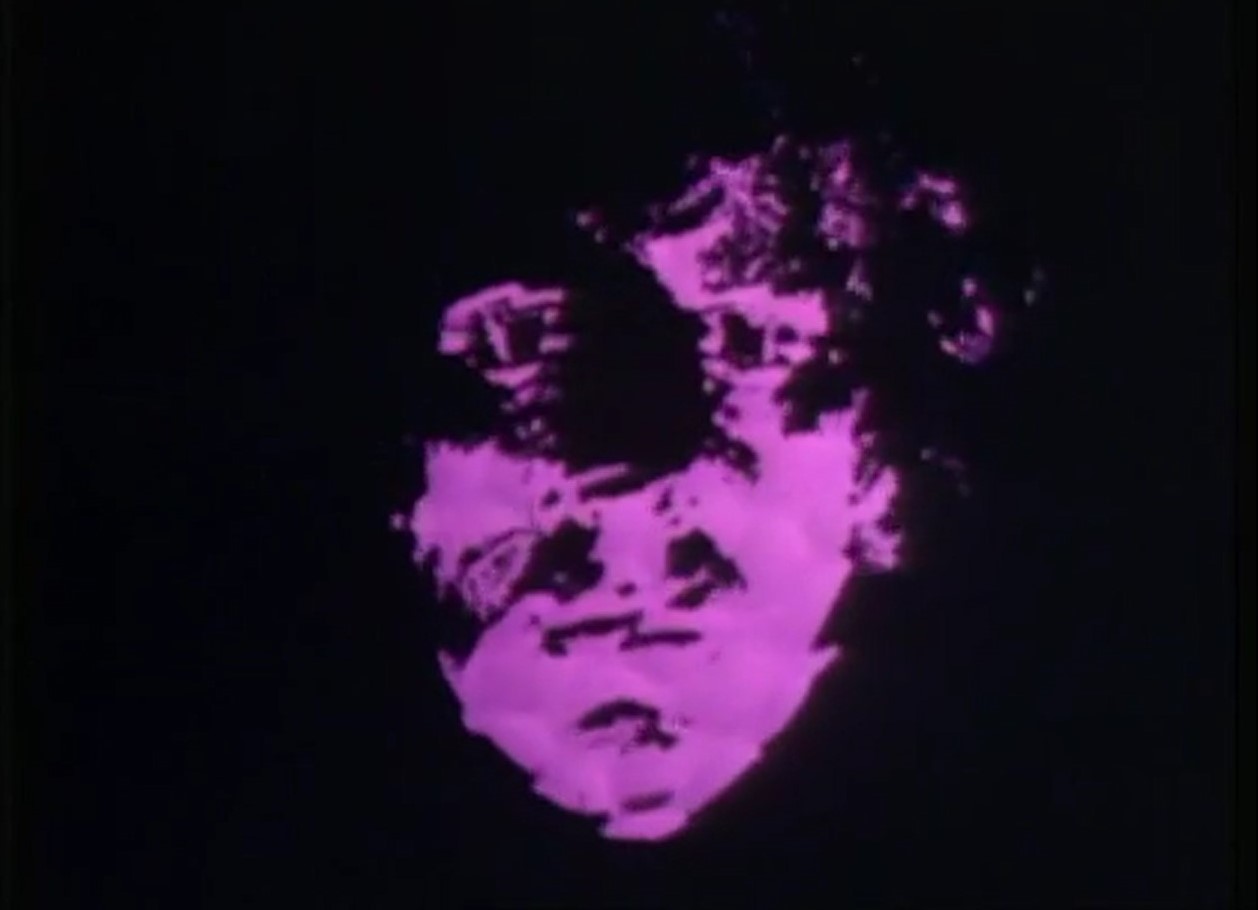
I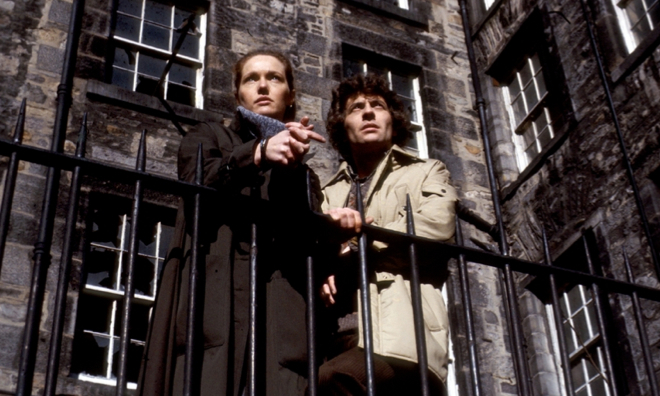 didn’t see the Tom Crane connection initially with the wasps but I thought it was a very clever way of including him in something that otherwise you couldn’t do.
Thank you – I also thought it was something that would make for a brilliant soundscape. When I look at a script, I initially look at it as if I was filming it. I’m a picture thinker, but then you think, “how can I translate that to sound?” And of course a swarm of wasps is a horrible sound and it’s quite a good way to kick something off.
The sound engineering and the music have had to do quite a lot of the storytelling in a way that they don’t in the Doctor Who or Survivors ranges…
I think The Omega Factor is the biggest challenge, and from what I can gather, people have really loved that challenge. It is absolutely another character, and cannot be underestimated.
 How different does the series feel between then and now?
I think because audio has come on so much, and special effects in general have come on so much, we are served so much better by today’s technology compared with back in the day, so certain atmospheres can be realised in a way that they couldn’t have been in the late 1970s. And as I say, I love being the older woman, so I feel more of an observer as Anne Reynolds than a participant – more of a facilitator. I don’t think I’m in the heart of the action.
Really? It seems to me that Anne has become the centre of it. In this last box set, who do they see as the threat? They need Adam – but you’re the one in the way, you’re the obstacle…
I suppose you’re right. I hadn’t really thought about it! Because I am twice the age I was, I suppose I feel that I’ve slowed down, but I suppose her brain power has increased.
She’s stayed what she was doing post-Roy Martindale, post Erskine-Brown and has become far more secure in herself in terms of what she believes and what she’s seen…
Maybe that’s what’s happened to Louise.
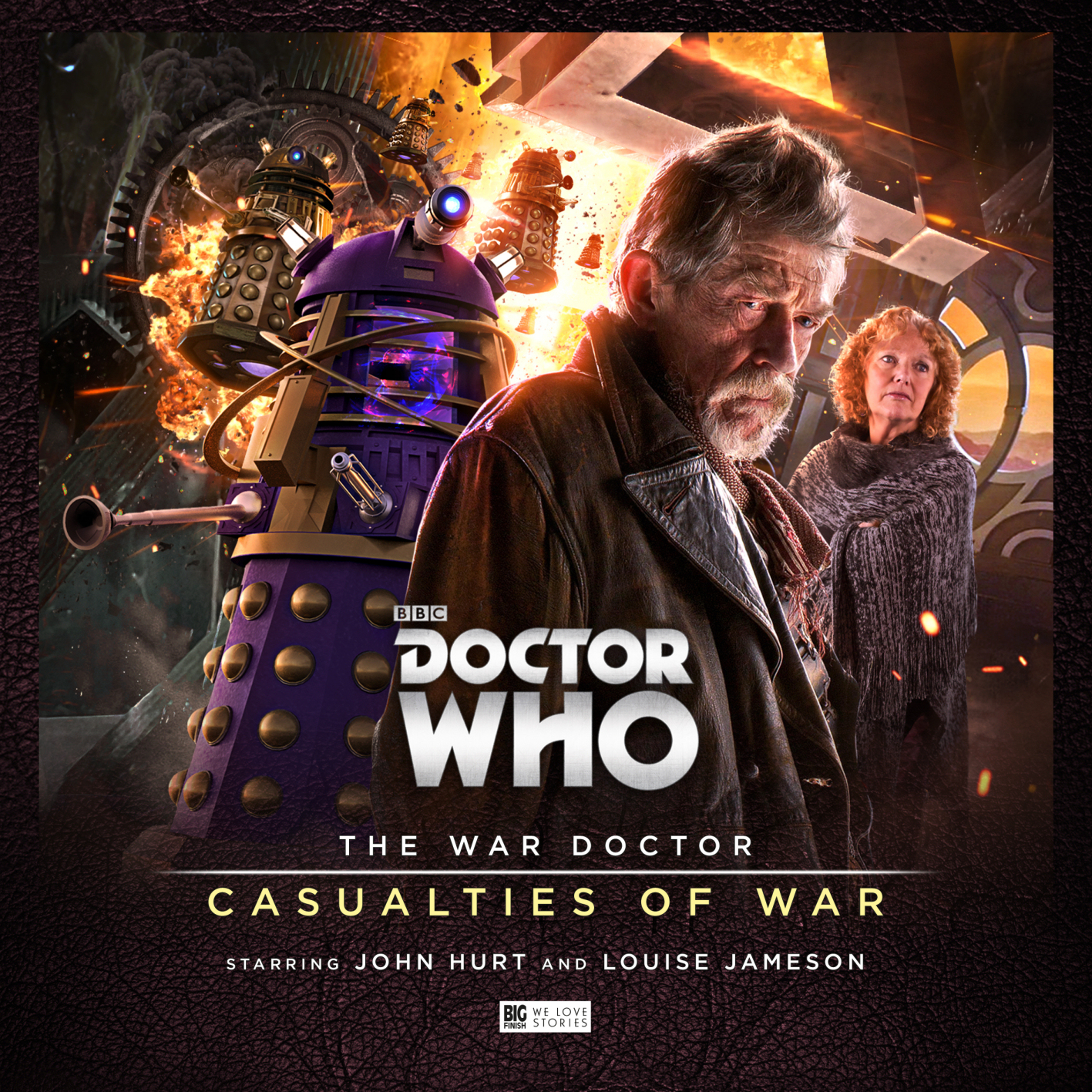 And I can’t let you go without talking briefly about the John Hurt audio with the older Leela…
Talk about timing! I’m so grateful we managed to slot that in before we lost him. I’m very fortunate to have done that.
I worked with him right at the beginning of his career as well – we did a Play for Today together [in 1976] called The Peddler. He had a wife, a mistress and a one night stand, and I was the one night stand. I didn’t have more than about three or four scenes with him. Television wasn’t live but we had only just stopped being live so it still had that theatre feel to it. That craggy face had just started to form!
Looking ahead, are there specific things you’d like Anne to do? Presumably if you’re writing, you’re part of the development process…
Yes, I am, I had a very big say in the last season; the next season, not so much. My commission was to make my story more Adam-centric than Anne-centric. That’s the only note I’ve had really thus far; I’m halfway through the first draft. We’ve got our stories sorted and hopefully I haven’t put too much of me in it. I think they want to make Adam the very strong lynchpin of the next four episodes.
 One of the great things about listening to this is that you don’t know where it’s going to go. It’s not like Doctor Who – even with the new companions, it still has to end up with the characters as they were – but with Omega Factor the sky is the limit.
Exactly, and it’s not as if we’re having to slot in. Even Survivors has to have a starting point and end point and slot in there. The possibilities are far greater than they are on Doctor Who but you can still go anywhere in the universe in that.
Thanks to David Richardson for his help in arranging this interview
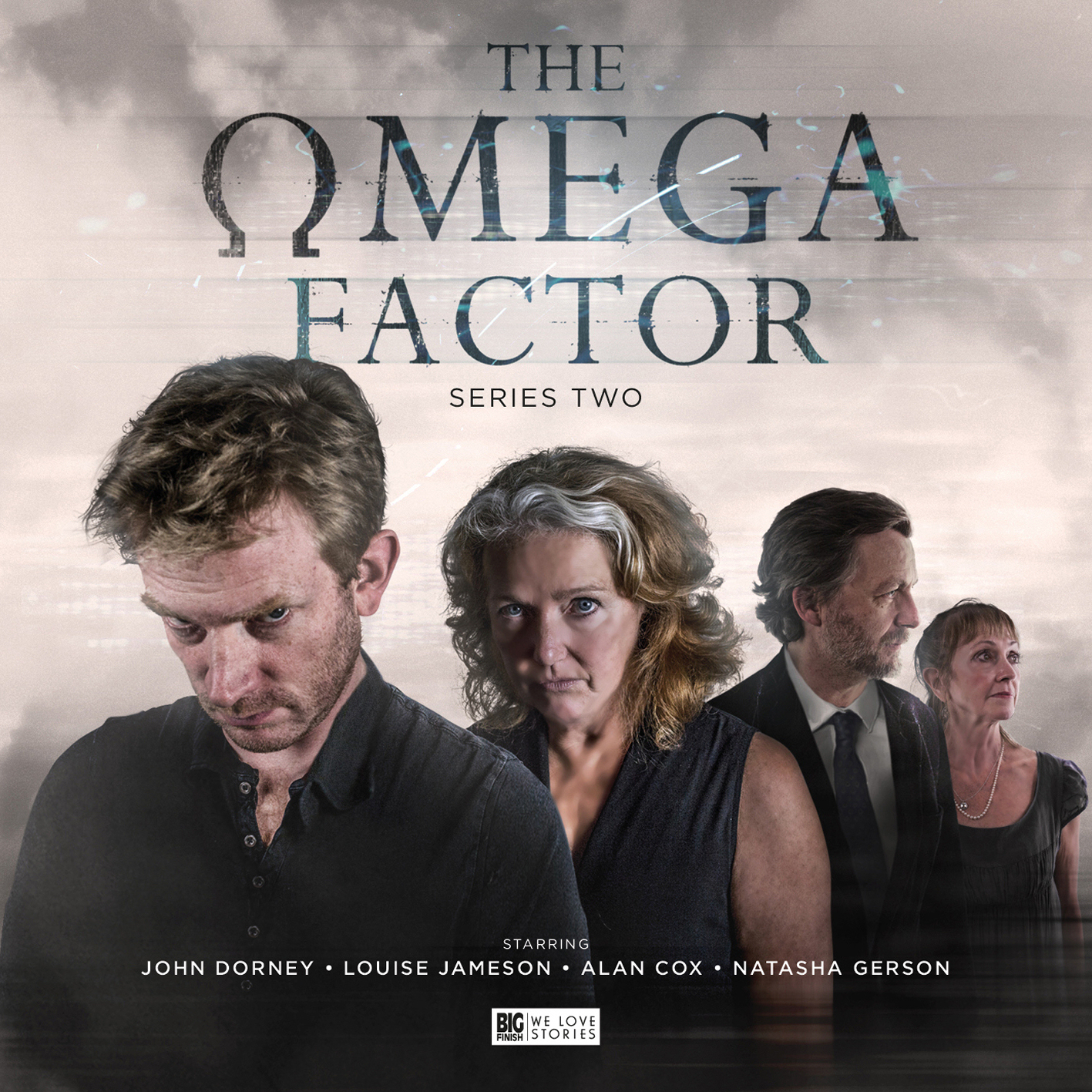
The Omega Factor Series 1 and 2 are now available from Big Finish
 Doctor Who News Star Trek News
 Sci-Fi Bulletin: Exploring the Universes of SF, Fantasy, Horror and Spy-fi!