Atomic Blonde: Interview: Antony Johnston
Charlize Theron’s Atomic Blonde hits DVD and Bluray today, bringing the Cold War tale to home screens. The movie is based on the graphic novel The Coldest City written by […]



Charlize Theron’s Atomic Blonde hits DVD and Bluray today, bringing the Cold War tale to home screens. The movie is based on the graphic novel The Coldest City written by […]
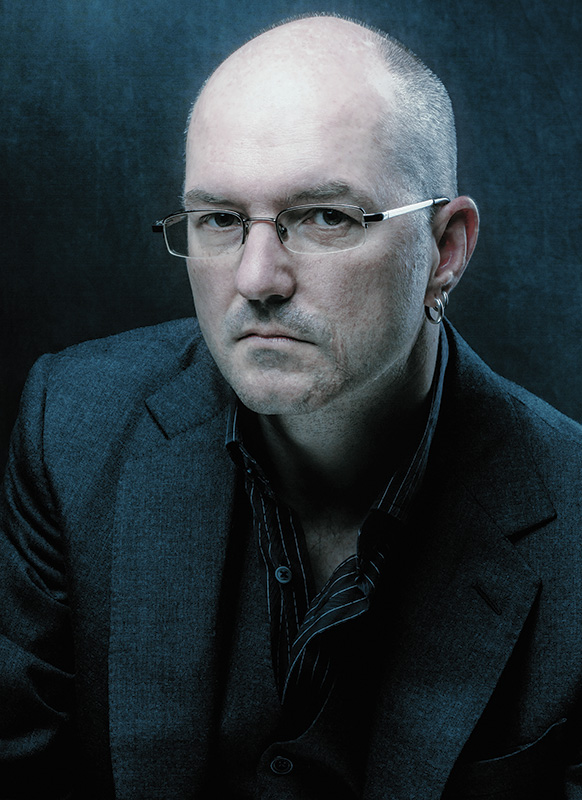 Charlize Theron’s Atomic Blonde hits DVD and Bluray today, bringing the Cold War tale to home screens. The movie is based on the graphic novel The Coldest City written by Antony Johnston and illustrated by Sam Hart that was released in 2012. The New York Times bestselling graphic novelist, author, and games writer with more than fifty published titles including adaptations of Anthony Horowitz’s Alex Rider spy series, and new techno-spy thriller, The Exphoria Code chatted with Paul Simpson in early November…
What was the genesis of The Coldest City? Was there a specific incident or Berlin itself which feels like a real character within the story?
I’m glad you say that.
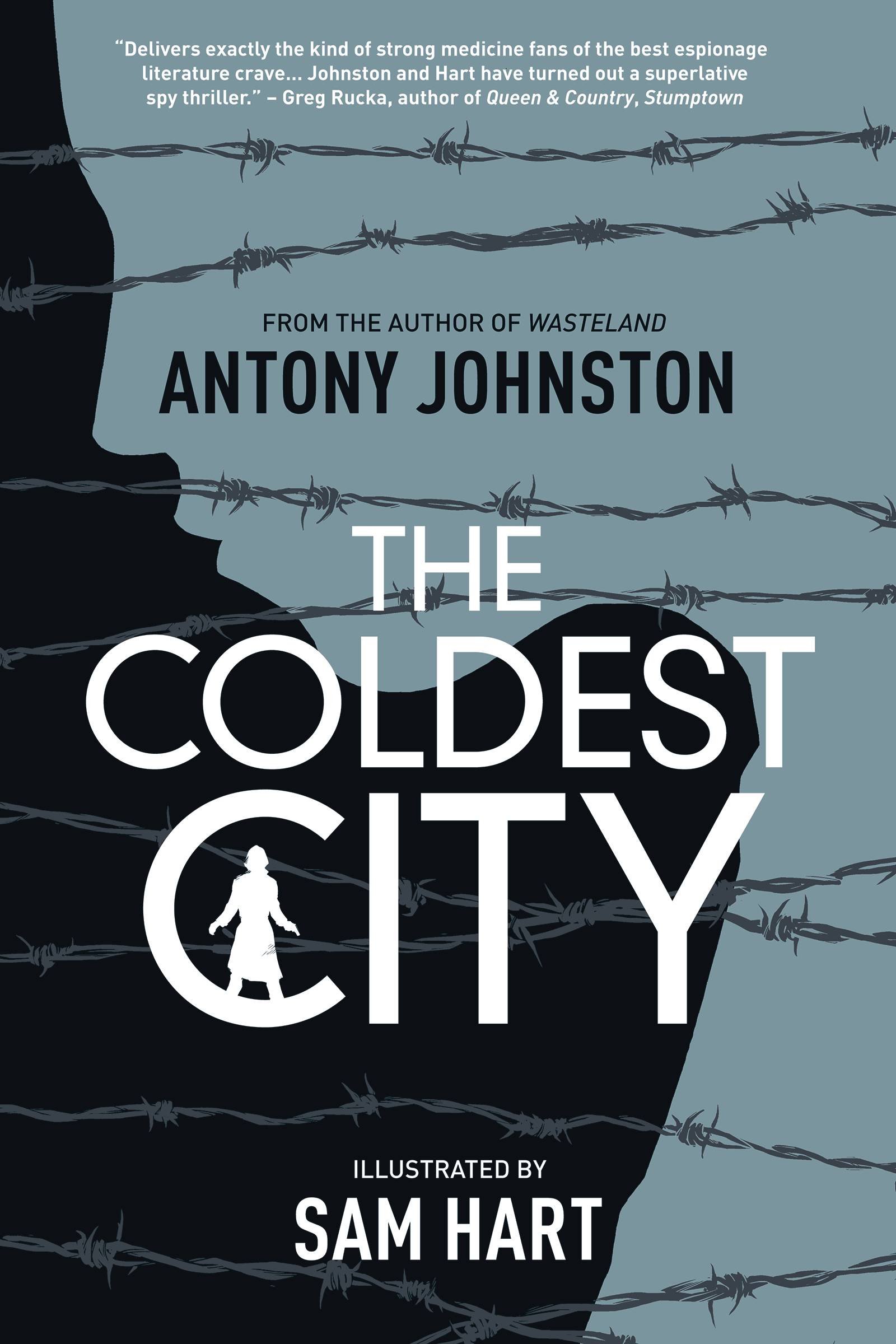 The impetus was I’ve been a big fan of Cold War spy thrillers myself for as long as I can remember, but I’d never written one. Not for any reason, just never got round to it, and so at a point almost 10 years ago, I decided that the next thing I wrote was going to be a Cold War spy thriller. I wrote it almost for myself – I didn’t have any thought as to who would publish it or if anybody else would even want to read it – but I wanted to get this idea out of my system.
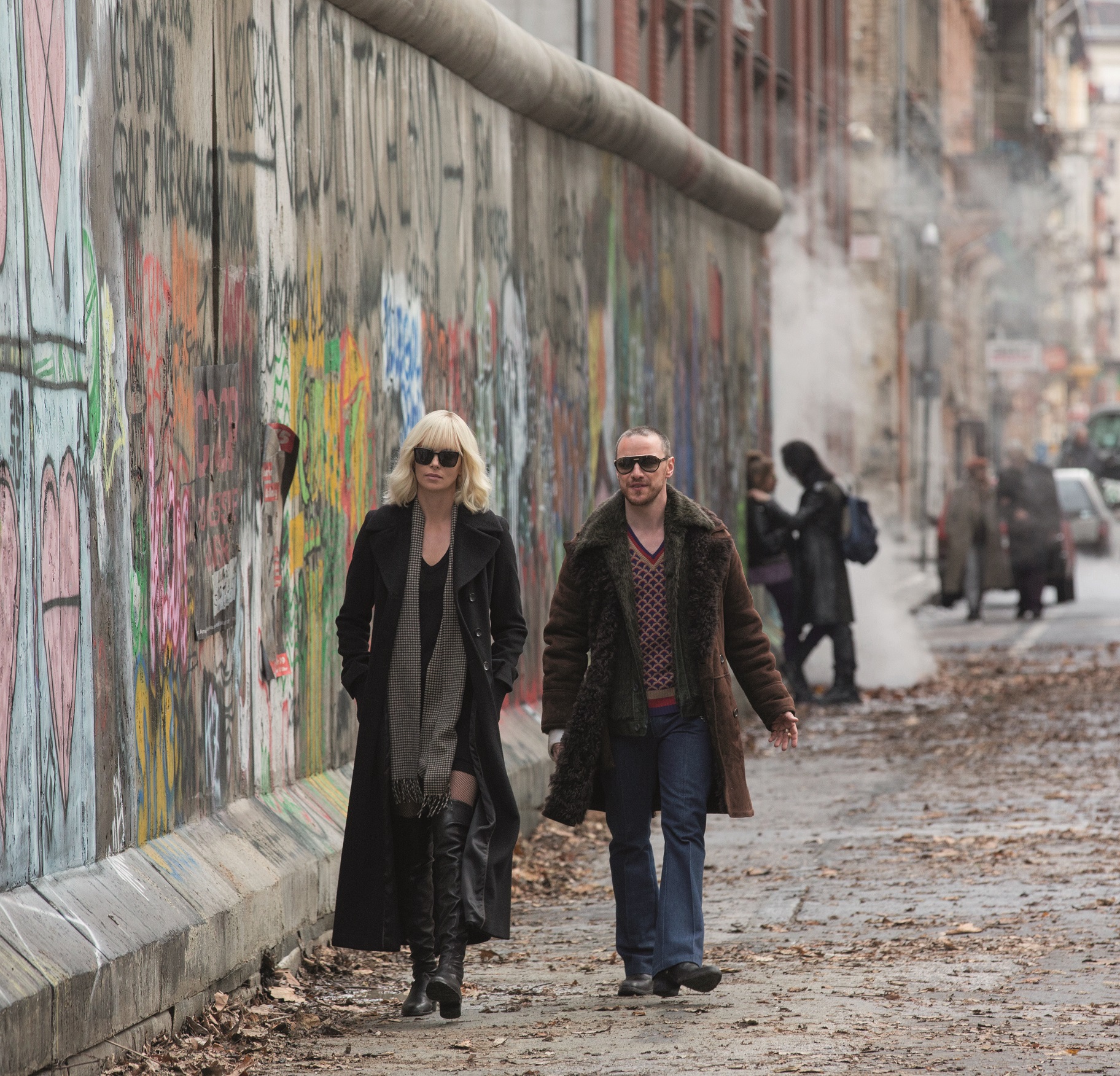
When I started thinking about Cold War spy thrillers I inevitably thought of Berlin, because of course that was the premiere place to be during the Cold War for spies and then, what would be the most exciting time to be in Berlin during the Cold War? That led me to think about the time leading up to the fall of the Berlin Wall. I remember watching it on TV and being transfixed by the news images coming over from Berlin when it happened.
I thought, “That’s the most exciting place and that’s the most exciting time – what story can I tell around those elements?” and that’s how I came up with the idea that became The Coldest City.
 I wrote a history of spying since the end of the Second World War, and visited Berlin during the research for that; did you actually go to Berlin?
No I didn’t. I did visit Berlin not long after the Wall came down when there were still dodgy characters with trestle tables selling you pieces of concrete that they claimed were pieces of the Wall
They were still there in 2011!
Really? I saw Berlin but I never went when the Wall was there. I have some German friends who remember that time and they were a great source of help and research but I didn’t actually do things like the Spy Tour or visit the Spy Museum – I know there’s one in Berlin – quite deliberately because I didn’t want to get too bogged down in…
Reality?
Yes, reality, almost. In comparison to the movie the book is quite a low key noir thriller – there’s a very different feel to it. Nevertheless I didn’t want to get too bogged down in the minutiae of the realism of it. I wanted to be free to create my story that would feel plausible to an audience that knew 1980s Europe, because I drew heavily on my own memory of Europe in the 1980s. I didn’t want to get too specific.
T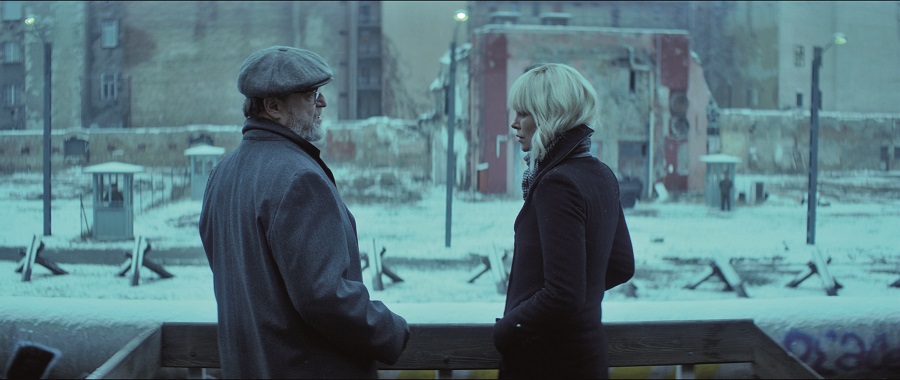 he bit where Lorraine goes into East Berlin felt very true to life. Did you draw on any particular memoirs or books about the period, or just take the setting and go?
With the stuff in the East I did do more research than with the stuff in the West. I can’t name any particular books: I read a lot of BBC news articles which are archived on the BBC News website – accounts from the time, or from immediately after the fall of the Iron Curtain; people who lived through that time giving their accounts of travelling through East Germany and entering Berlin. I drew on a lot of those, and I did read other memoirs. I regularly read books about spying and espionage during the Cold War – not specific titles but just general research I do as leisure reading about that period of time.
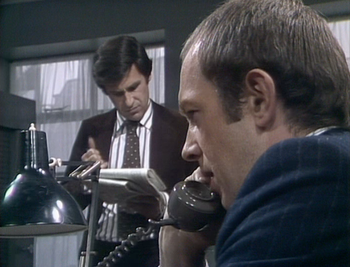 The other thing that it reminded me very heavily of was [the late 1970s ITV spy thriller] The Sandbaggers [right]…
I’m a huge Sandbaggers fan. I still have the DVDs and one of my good friends is the American novelist and comics writer Greg Rucka, who is also a huge Sandbaggers fan and did the spy series Queen and Country which I’m a massive fan of and was a big inspiration for this. So The Sandbaggers’ influence runs deep.
In terms of the way that the characters inspired those in the movie, you recognise the characters in the film but it’s very much a different take on the same story. How much involvement did you have, if any, in practical terms?
They were very gracious. I have an “adapted from a book by” credit but I was also a co-producer, so I read all the drafts of the screenplay, I was consulted on the casting, I gave notes on early rough cuts of the movie. They were very gracious about having me involved and keeping me in the loop on things.
I wasn’t there day to day on set, I wasn’t watching over everybody’s shoulder but I was in the loop and I was giving notes and feedback. They didn’t need to do that but they wanted me involved and me to be happy with it.
 At the same time, I wanted them to do their own thing. I’m not precious about this sort of thing – I write graphic novel adaptations of novels and short stories, so I’ve seen the process from the other side. I think that helped because I know the last thing you want is the author of the original text hovering over your shoulder going, “No, you can’t do that, I didn’t write that,” or whatever. I was as hands off as I could be in terms of how faithful they were to the original text. That wasn’t really a concern of mine.
I said to them, “I’ve written the best graphic novel I can, now it’s your job to make the best movie you can. I do this, you do that, and do that to the best of your ability – and don’t worry about being faithful to the original text, because what I want to get out of this is a great movie, regardless of how faithful it is to the original book.” I think that helped to put everybody at ease.
And I was very happy with the result, enormously happy. Yes, it’s a very different feel to the book but it’s also, in terms of story and character and even lines of dialogue, very faithful. Way more faithful than many film adaptations of books and graphic novels turn out. I think it is a great movie, as a whole in and of itself as well. I was very very happy with it.
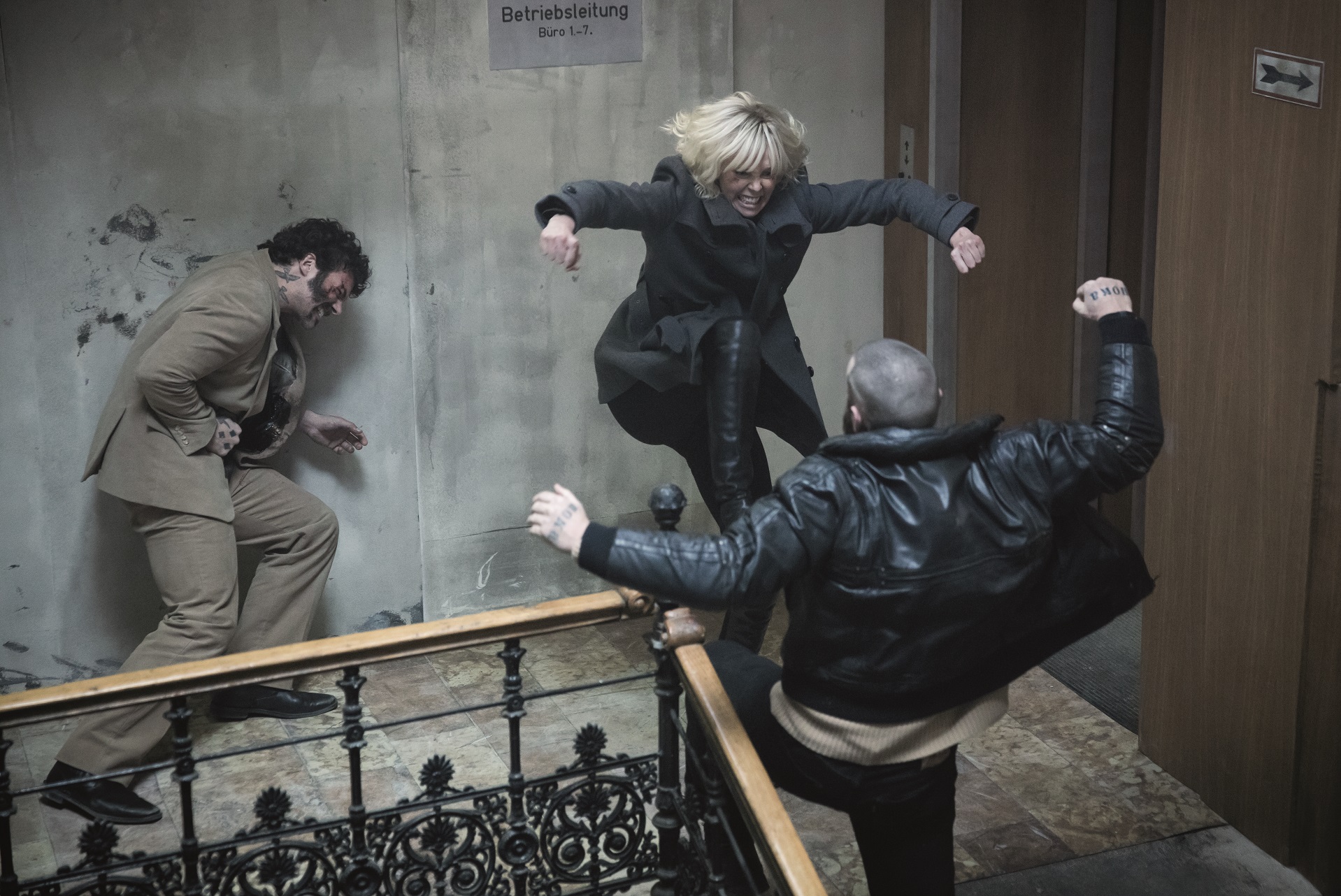 The scale of the adaptation reminds me of the way that the 2006 Casino Royale movie magnified the scale of Ian Fleming’s novel, so that a one-paragraph incident in that became the basis for the whole Miami airport chase sequence… Everything has been dialled up…
The stairway fight is the best example of that. In the graphic novel it’s four pages, and in the movie, it’s the centrepiece, taking twelve minutes! That was the genius of how Kurt Johnstad the screenwriter and David Leitch the director approached turning this story into the movie. I thought it was wonderful that they saw these opportunities for action that are in the story, but they’re either very cursory in the story or they happen off-page.
The fight in Alexanderplatz in the cinema, is not seen at all in the graphic novel but it’s mentioned in that Lorraine says she was followed but “she lost them in Alexanderplatz”. Kurt and David saw that and went, “A-ha, let’s make that a thing and show what happens there.” I thought that was a really great way of staying close to the book whilst also bringing their own element and ramping up the action in the movie.
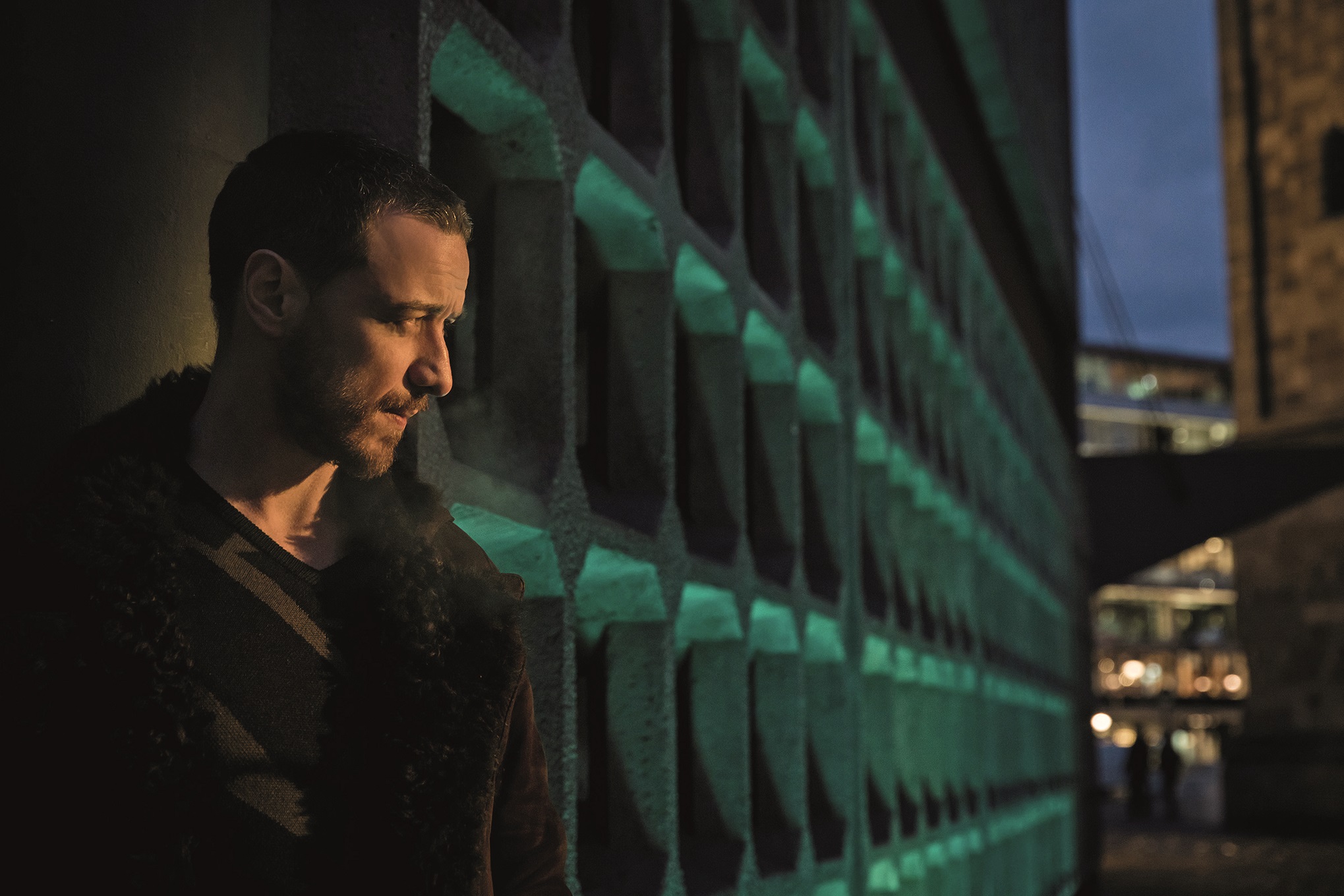 Had you completed work on the prequel graphic novel, The Coldest Winter, [which features the character of Percival] before the screenplay was complete on the film?
Yes.
There’s no bleeding across of McAvoy’s interpretation?
No, McAvoy’s interpretation is probably the most different element from the book to the film. I love his performance, and he’s a lovely guy and a great actor but it is very different so there was no bleed-over from movie version to how Percival is in the graphic novel in the prequel.
And more Coldest City stories?
There’s a third book that I’m working on at the moment and that will be about Lorraine…
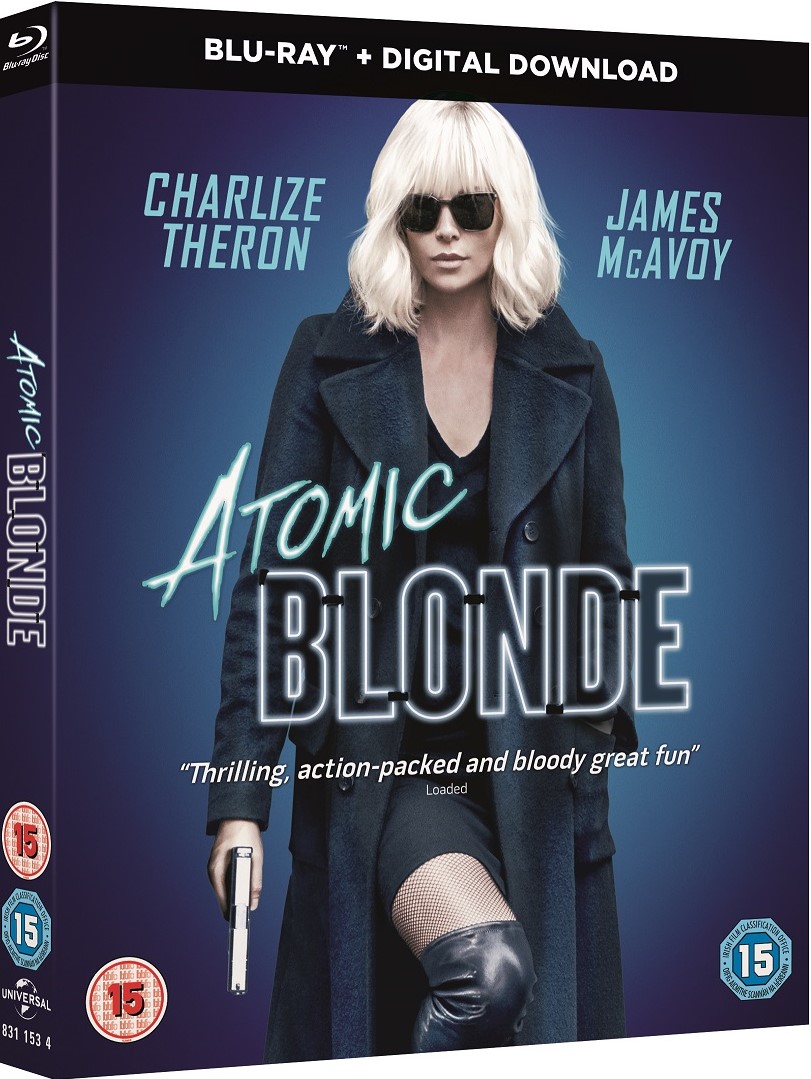 Atomic Blonde is available on Blu-ray and DVD on 4th December, courtesy of Universal Pictures (UK)
The Coldest City is published by Oni Press
 Doctor Who News Star Trek News
 Sci-Fi Bulletin: Exploring the Universes of SF, Fantasy, Horror and Spy-fi!