We Can Time Travel: Interview: Dom Coyote
Dom Coyote’s new musical show We Can Time Travel is currently running at Shoreditch Town Hall after two shows in Folkestone and Reading. The hour-long experience is part sung, part […]



Dom Coyote’s new musical show We Can Time Travel is currently running at Shoreditch Town Hall after two shows in Folkestone and Reading. The hour-long experience is part sung, part […]
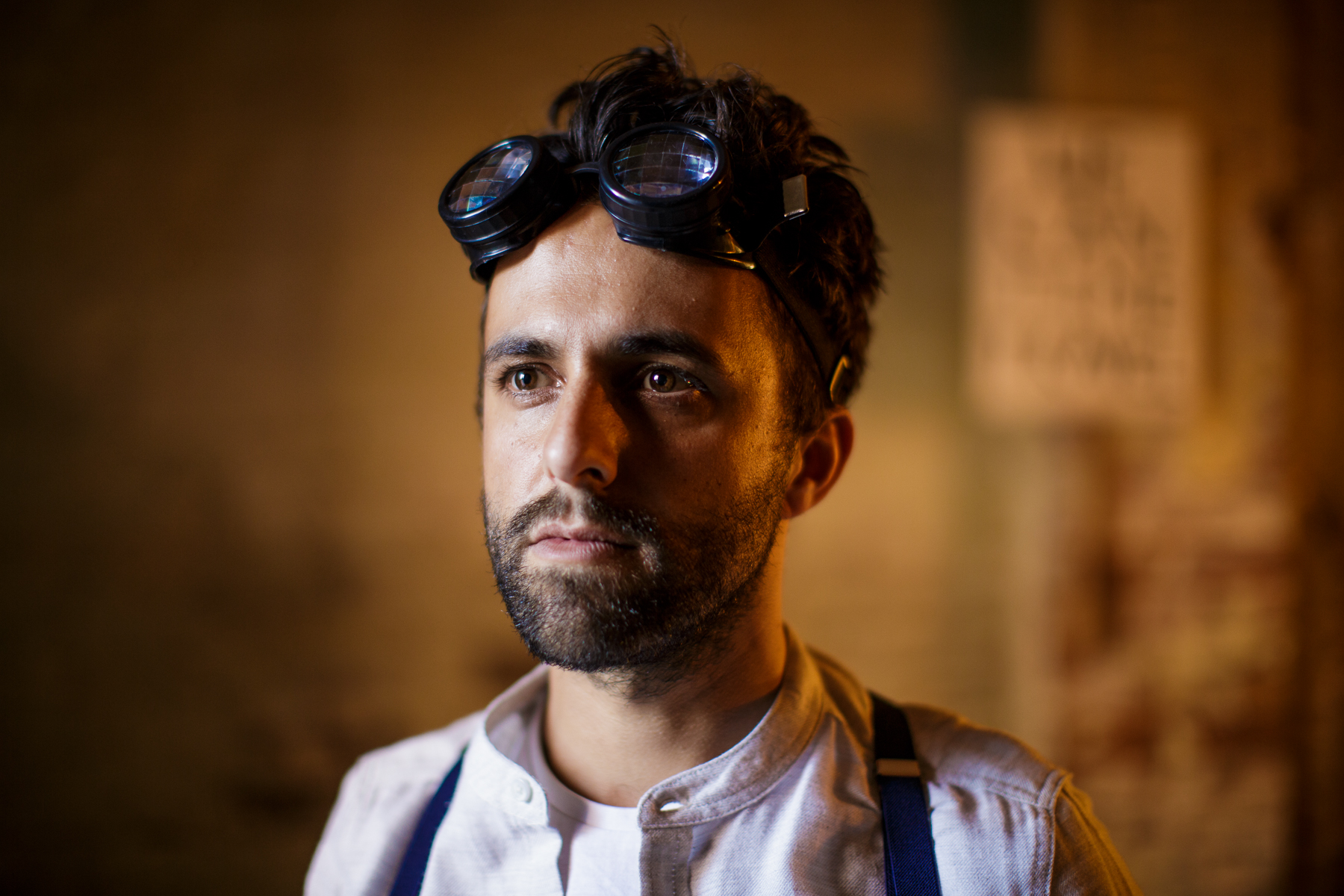
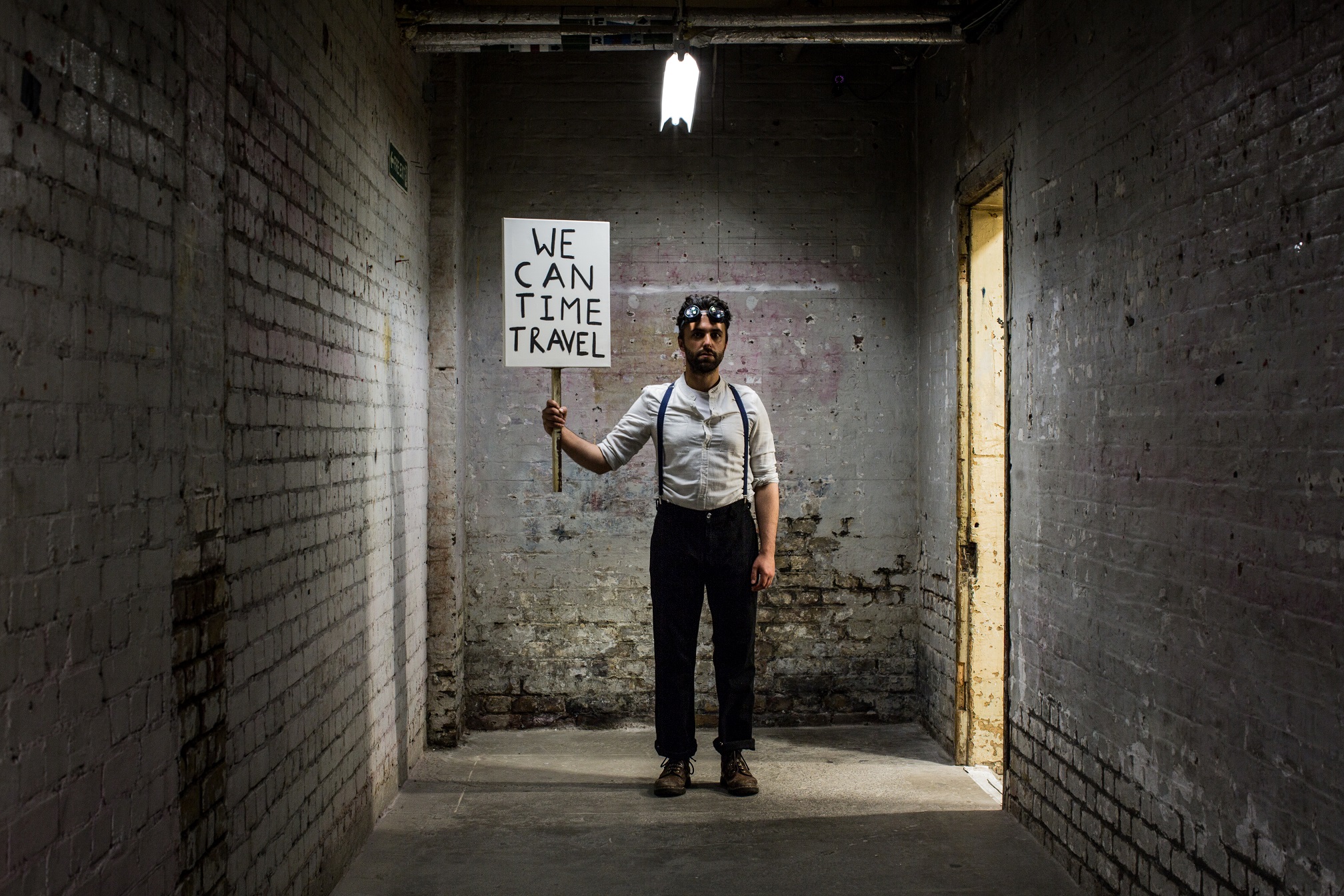 Dom Coyote’s new musical show We Can Time Travel is currently running at Shoreditch Town Hall after two shows in Folkestone and Reading. The hour-long experience is part sung, part spoken, to a back drop of 80s synths and drum machines, and described as “a story of adventure, hope and the secret societies that meet in the pub on the corner”. The morning of the London premiere, Coyote spoke with Paul Simpson…
What was the genesis of We Can Time Travel?
The reality is that sci-fi is my first love and everything that I do is based around science fiction.
I wanted to make something new. It was when Trump got in power and it felt like time was moving so quickly. So many world events were tumbling over each other. Also the relationship I was in at the time was failing, so I wanted to do something about time travel and somehow gain control of the days that we’re in, personally and globally.
Rich Rusk, who directs the show, suggested we did a version of The Time Machine, so it’s very much inspired by HG Wells’ story, which is one of my favourites – but by the last chapter more than everything. The Traveller travels through the aeons of human existence until humans all disappear…
 …and finds the thing on the beach at the end.
That’s it. That creeping horror is very Lovecraftian. In our show there’s a big element of that – not the Lovecraftian bit but he watches the sun die. That’s a very important part, that theme of the show – whatever else happens, however unpredictable life is, we know one thing: our universe will end. So what will we do with the time we have left?
The show I did last year, Songs at the End of the World, was very dystopian. People who hadn’t seen it would often say it sounds a bit depressing – but then they’d come and see it and have a great time because actually the kind of dystopias I make is about coming out of it and going, “Hang on, this life is precious, it will end, so let’s make the most of it”. Work out how to become active passengers on the river of time, not just observers. That’s what this show is really about.
 What else did you grow up watching and reading?
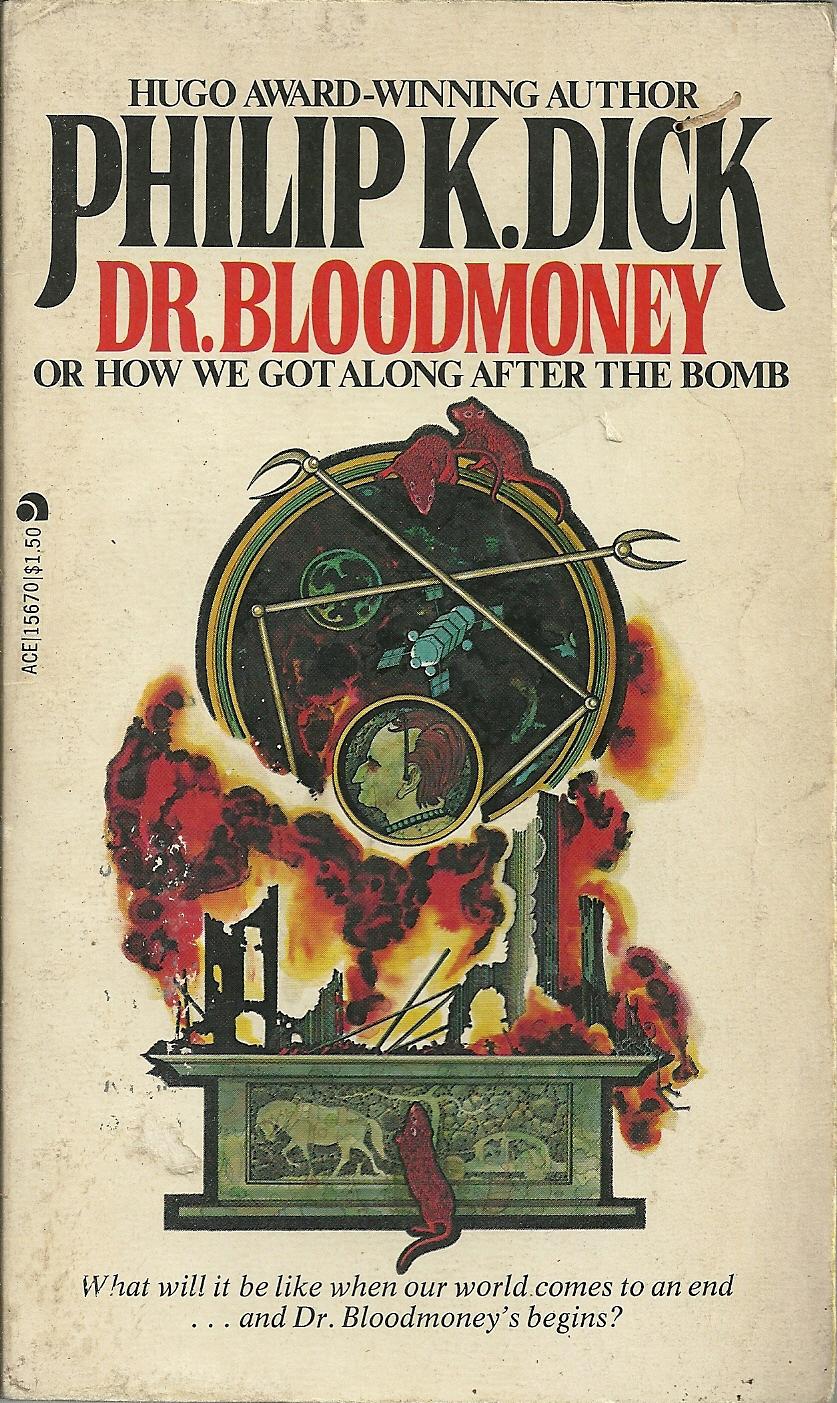
My big passion is science fiction novels. I’m a big Philip K. Dick fan – my last show was based on [Dick’s 1965 novel] Dr Bloodmoney or How We Got Along After the Bomb, one of his really psychedelic post-apocalyptic books. There’s a fantasy writer called Clive Barker; he wrote Hellraiser, but I love the weird wonderful stuff that people don’t always come across
Weaveworld and stuff like that.
All of those ones. China Mieville is a big influence now, Margaret Atwood, David Mitchell – a lot of writers who don’t call themselves science fiction writers, when they write SF I get really excited as well. Ursula le Guin is one of my absolute favourites.
I’ve loved SF as long as I can remember. They’re my first loves.
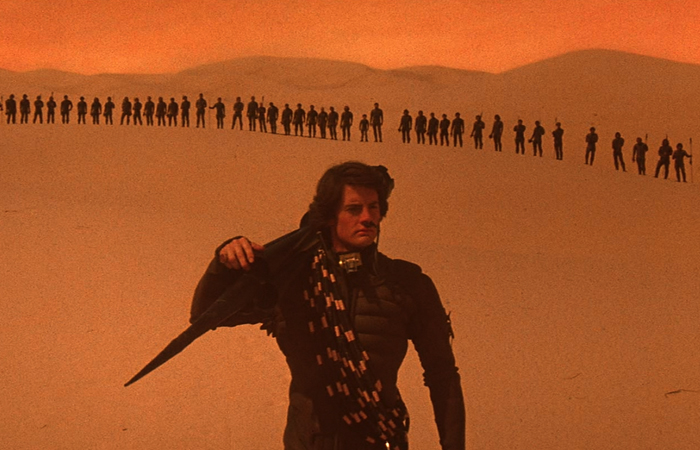 Film-wise, endless – Dune is one of my favourite films. One of the reasons I love it is David Lynch completely messed it up and it makes for such an unusual narrative – the first 10 pages are 75% of the film and then he has to do the rest of the massive book in one big montage. It’s just bizarre – it’s the artist’s vision.
I love worlds and ideas more than narrative a lot of the time, particularly in sci-fi films. I can forgive anything if it’s got an amazing idea in it.
So things like The Fifth Element…
I love that – it’s crazy.
 How do you translate that into something that’s going to be accessible for an audience?
You have to work with character. The character I play is a version of myself and the first half is about getting the audience on board.
Quite a lot of my work is about showing normal people how nerds feel, the excitement that we get from the things that we’re interested in. For me the way in in this show is the character of Dom, a slightly heightened version of me, who’s sharing his excitement at the paranormal, the unknown, this quest that he’s going on. There are other characters in the show that come up in recordings and phone calls, and they’re all kind of normal. Their relationship to me allows the rest of society to be in the show. It’s got a comedic element to it, and hopefully it’s really accessible, then we take the audience on this totally mindboggling sci-fi explosion to the end of time – and so far, they come with us.
It’s interesting – we are building an audience of geeks and non-geeks. The geeks get a lot of the jokes that I would expect everybody to get me (but that’s because I’m a nerd); only half the audience laugh and the others look at them as if they’re crazy. There’s references to Back to the Future, 2001: A Space Odyssey and things like that. It’s a real ode to the nerd and science fiction.
Sci-fi is not a dirty word any more – it never was in blockbusters but literary sci-fi and arthouse sci-fi were seen as very unfashionable. It’s changed a lot now – think of things like Stranger Things or The OA – so many things on Netflix. Films like The Arrival and Interstellar – they’ve made the big ideas that sci-fi deals with exciting for everyone, not just for people who are specifically interested in that subculture.
 The return of Star Wars and the popularity of Doctor Who has put stuff back in the mainstream… it’s very cyclical…
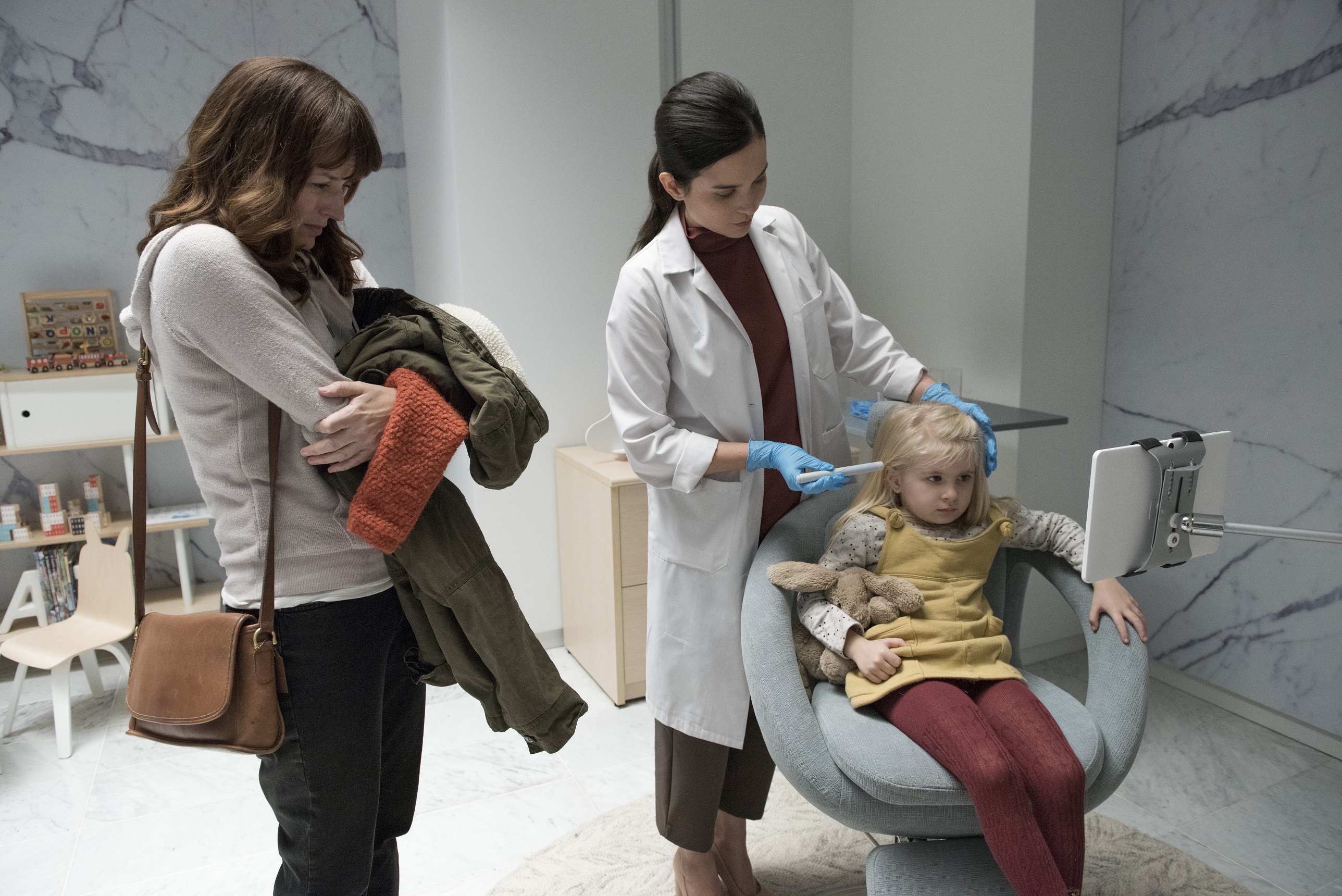
Yes, and it’s often when stuff is crazy in the world, isn’t it. Sci-fi is a way to look at the world we live in in a slightly altered way. Sometimes we’re scared about what’s in front of our noses. Black Mirror does it really well – all it’s doing is talking about now, but we find it really uncomfortable to look at ourselves.
If you were addressing an audience not on the geek level, what are they going to experience?
Everybody is going to connect with this music. First and foremost I’m a musician and I make gig theatre. This really feels like a massive musical explosion. It’s very melodic and very beautiful. I use quite a lot of electronic instruments but song is at the heart of it – I’ve been a singer my whole life and that’s how I’ve made my living in all sorts of different ways, as a composer, as a performer, as a songwriter. That has always been at the heart of what I do and that’s what connects humanity together and my audience together.
They’ll come and see something massively heartfelt, totally bizarre, hopefully engaging, and that will pull at the heartstrings. I like engaging people – I’m a sociable person and I like getting people excited about the weird stuff I’m interested in. That’s what this show is for.
 What’s been the biggest challenge?
Getting the narrative right. There were lots of drafts of this story. The script has been written by Rich Rusk who’s directed the show. He’s gone back to the beginning three or four times. We knew we wanted it to be about time travel, and the form we wanted it to take and the instruments we wanted to use. Initially it had a lot more of The Time Machine in it and the Traveller.
The other thing is lines – I didn’t spend my whole life acting, so getting 25 pages of text in for anybody is quite a tall order, and then you have to throw it away and not think about it. You’ve got to learn it so well that you know the lines in your sleep.
How much tweaking has there been?
It’s ready for an audience now but we’ll keep on tweaking. We’ll leave it alone for a week or so to let it bed in with an audience and then start working again. It feels like a show that will just grow and grow.
And what’s the future for the show?
Keep on performing the show as much as possible and get as many people interested as possible. It goes to Latitude Festival in the summer and then it will do an autumn tour and we’ll bring it back in the spring.
We Can Time Travel runs at Shoreditch Town Hall until 5 May.
Thanks to Rosie Bauer at Mobius for her help in arranging this interview; photographs by Paul Blakemore
 Doctor Who News Star Trek News
 Sci-Fi Bulletin: Exploring the Universes of SF, Fantasy, Horror and Spy-fi!