The Vault: Interview: Director Dan Bush
“I haven’t talked to too many people who have seen the movie outside of those who were working intensively on it with me,” The Vault’s writer/director/editor Dan Bush admits a […]



“I haven’t talked to too many people who have seen the movie outside of those who were working intensively on it with me,” The Vault’s writer/director/editor Dan Bush admits a […]
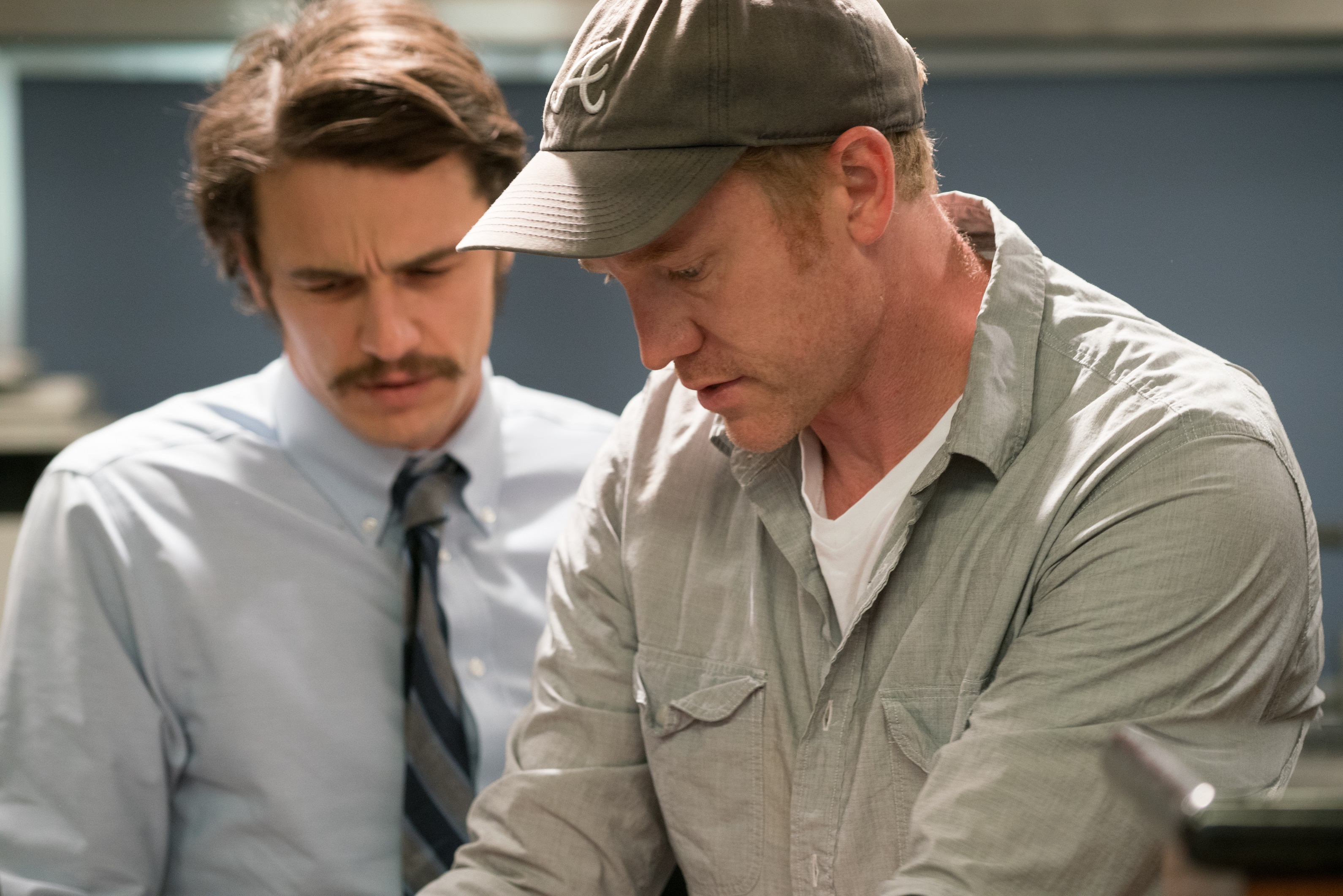 “I haven’t talked to too many people who have seen the movie outside of those who were working intensively on it with me,” The Vault’s writer/director/editor Dan Bush admits a couple of weeks before his new movie opens in the UK and in this interview with Paul Simpson, he’s very open about the challenges that came from having to shoot a movie that combines the bank heist and horror genres in a very short space of time…
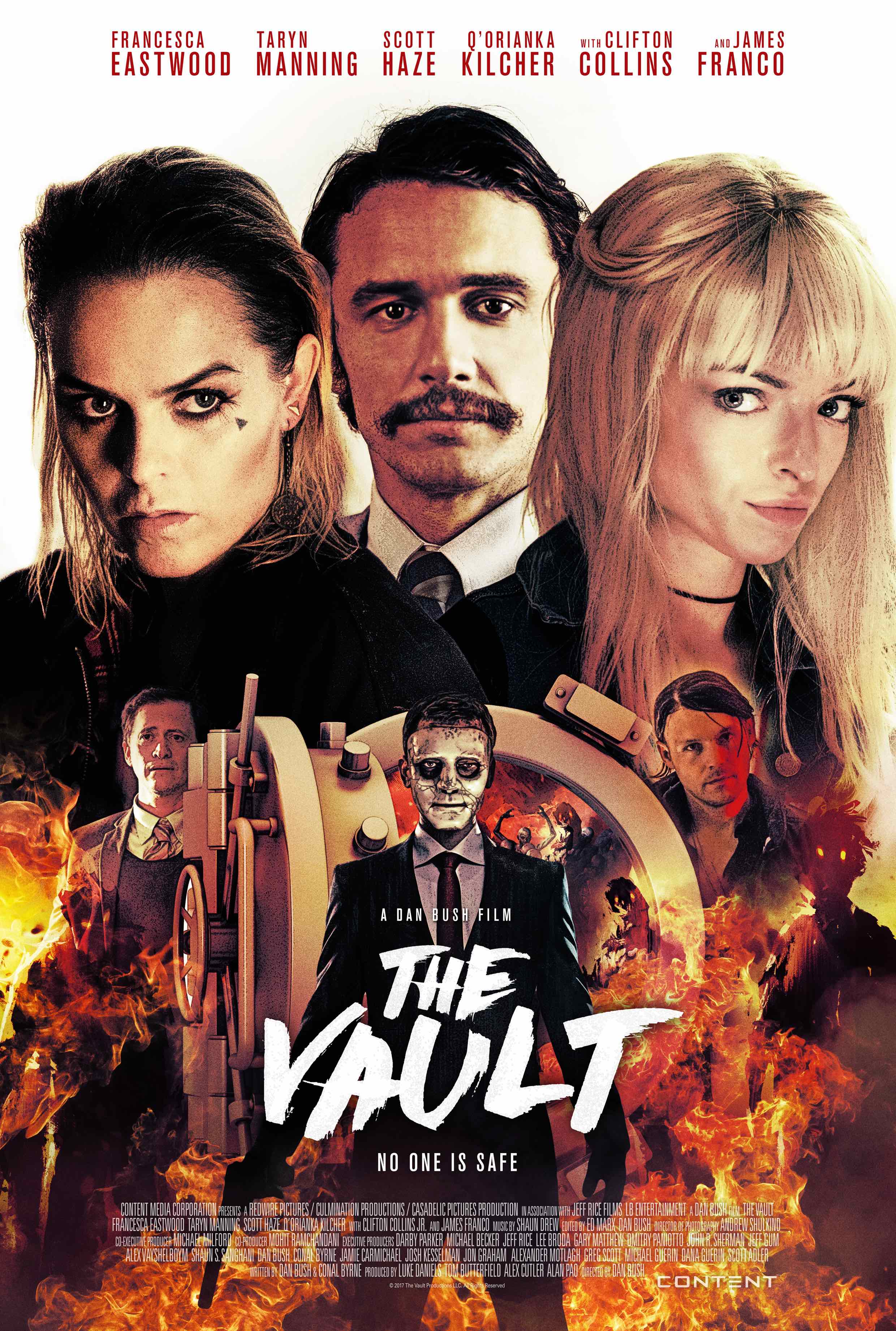 Thank you for a very interesting movie – often The Vault zigged left where I expected it to zig right… What was the genesis of the film?
After I co-directed The Signal back in 2007 I was sitting with my writing partner, Conal Byrne, watching a documentary that happened to be on TV about the Warner Bros. movies, narrated by Clint Eastwood. They were talking about [heist movie] Dog Day Afternoon and [horror classic] The Shining almost back to back. We looked at each other and went, “Wow, those two cards have never been laid on the table. What if we explore that? What does it bring to each?”
Quickly for me what arose was the image of the hostage – there’s still a lot of images in my brain from when I grew up, watching really dark images of [the hostage situation at the] Munich [Olympics in 1972] and other hostage crisis situations. That image represents an intersection between crime and horror.
We started to build a movie around that idea. That was probably 10 years ago when we first started writing that, and it evolved a lot. Probably the biggest evolution happened very late in the game: although it had originally been written for an all-male cast we decided to reverse a couple of those roles.
The two sisters were brothers?
Yes.
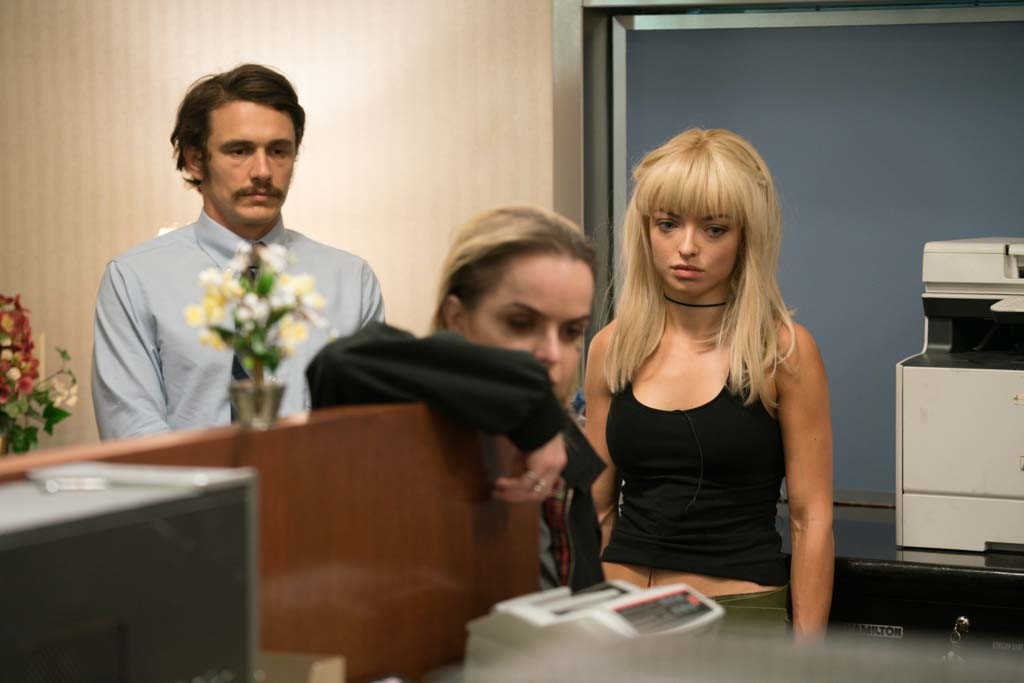 That dynamic is one of the things that definitely sets it apart – there are unexplained elements between Taryn Manning and Francesca Eastwood’s characters and their relationship with their brother (Scott Haze) that underlay the whole story. I felt I came away knowing enough of the backstory to understand some of their motivation but not so much that it became overwhelming…
The movie was originally called The Trust, and we changed the name because there was another movie called The Trust that came out last year with Elijah Wood. We changed the name to The Vault but The Trust has another meaning; it’s really a movie about can these sisters come to trust each other to survive this? If there is anything that is the most powerful tool it is their trust for each other.
I wanted to start off the movie with siblings that couldn’t stand each other, hated each other, had backstory. But we had about 16 shooting days allotted, so it was very fast-moving and there’s only so much story you can capture in that time. I made a big decision as we were approaching production to lose the backstory. There were originally a lot of flashbacks showing the characters and what led up to the bank heist. We cut all of that.
I really wanted the sisters to be contrasting each other – I wanted Taryn’s character, Vee, to be wild, almost sexual, like a Joker character, a chaotic character. Fran’s character Leah was ex-military, and I wanted her to be asexual, very pent up and OCD so the two were complete opposites of each other. Two very strong powerful female forces that were operating on completely different levels – like Batman and the Joker.
Removing the backstory keeps the movie very claustrophobic – once we’ve had those initial scenes outside, we’re pretty much inside the bank or the vault for 80 of the 90 minutes of the film.
We step out briefly in Act 2 when the detective has a conversation with Leah, but that’s the only time we break out of the bank. We wanted it to be that way.
We were a little worried that it might be a little too claustrophobic for the audience but initially I had a lot of stuff where I had created this antiquated evil that was a surrogate for capitalism itself. Some of that is still in the movie – where Taryn is talking about her checks bouncing and how is she supposed to go ahead? – but there’s this old evil in the bank and we wanted the bank to feel as haunted as the Overlook Hotel.
We didn’t get to develop as much of that as I had hoped but I’m very happy with how it landed, and at least there is some dread downstairs.
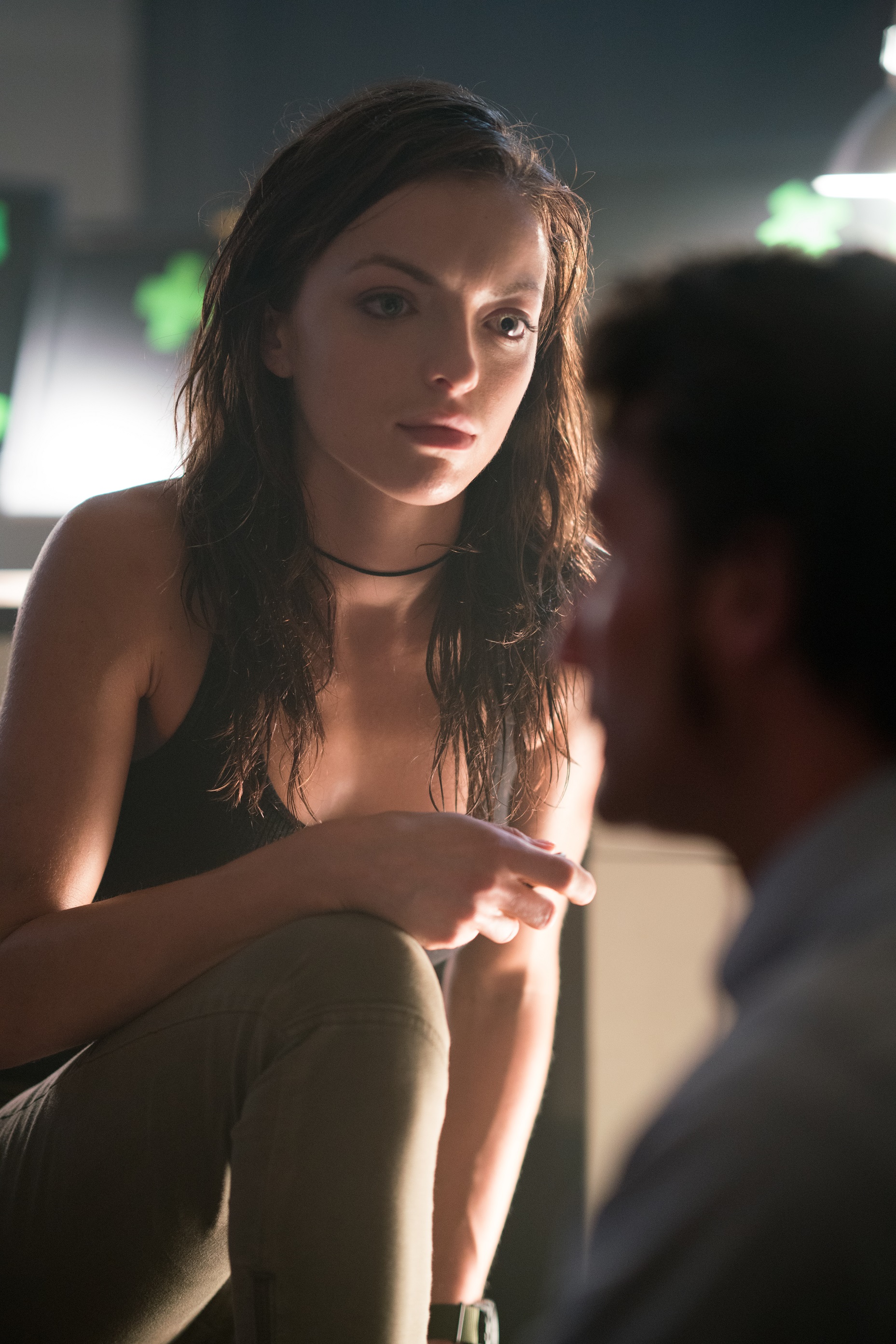 And there’s the interesting slowdown in pace in the scenes of the teller relating the story of what happened back in the 1980s – there’s a sense of being round the campfire telling stories…
(laughs) She’s telling a straight up ghost story, isn’t she!
Which gets the reaction from the robbers of “f*** off I don’t care!”
Right!
Sixteen days shooting, with a lot of coverage from different angles – were you effectively editing it in your head or actually at a laptop as you went along?
Yes, I initially went in with a very specific shot list and storyboards, and it was all very specific. Our days were packed. I’m the first guy to say that limitations make me more creative – I had to go in on the day, and certain days, certain limitations expressed themselves. Maybe we didn’t have the Steadicam for that day, and the actor availability was pretty insane: the entire bank lobby scenes, the pieces of that initial heist were shot over different days with different actors. For any given angle, for the reverse those other actors weren’t there. I had to have a very specific “cinema math” in my head and a very specific shot list that I was working towards.
I tend to pre-visualise the movie in my head; I watch the movie in my mind as I write and I do my best to capture that on the day but I try to be flexible too, because when you have limitations, you have to be. If you’re trying to be really exacting about what you saw in your head and what you wanted, then you often miss some of the amazing things in the immediate environment and what the actors are doing that you didn’t expect.
So was there material that came out during the shooting that you weren’t anticipating?
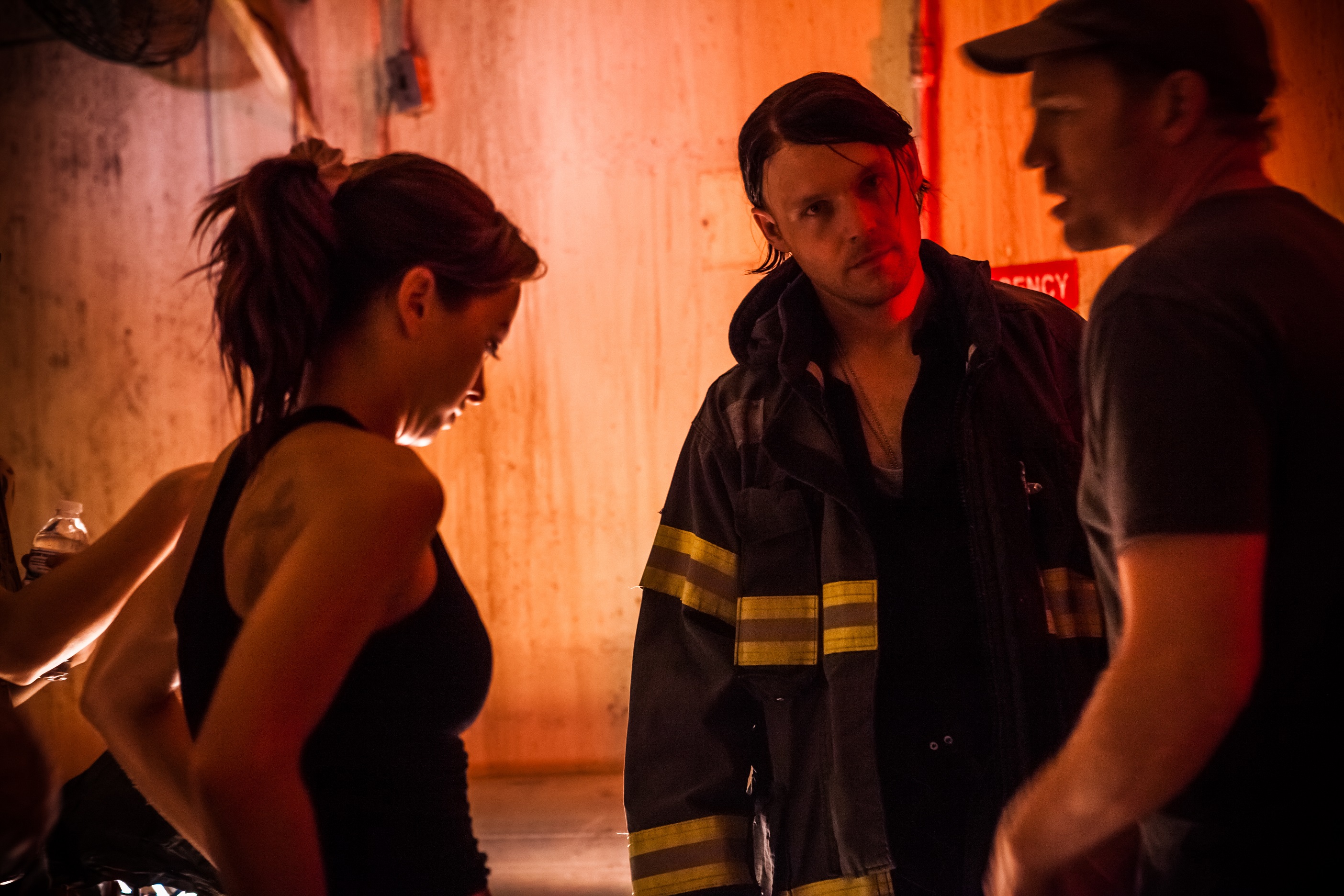
Yes, I was extremely loose. I was perhaps almost too accommodating, honestly but I was very loose with the script. I almost wanted to throw the script away – the actors knew the beats… When you’re working with two personalities like Scott Haze and Taryn Manning, for instance, those two are going to bring something to those characters that nobody else is going to bring, and the way that they relate to each other, the way that they riff off each other, even the eye contact and the way that they listen to each other is going to be specific to them. Letting them discover rhythms with each other, discover their own chemistry on camera was really important to me. They brought a lot of that themselves.
What I wanted to do initially for the movie was basically do a stage play: pre-light the whole thing and shoot 360 degrees, never relighting for reverse angles; have the actors come in a week ahead of time, block out and rehearse everything that happens exactly like a play, then bring the cameras in and film the movie. That’s obviously a luxury that is probably impossible on such a small budget, particularly with actors whose schedule is as demanding as those guys. I couldn’t really do that.
 How much time did you have with James Franco on the film?
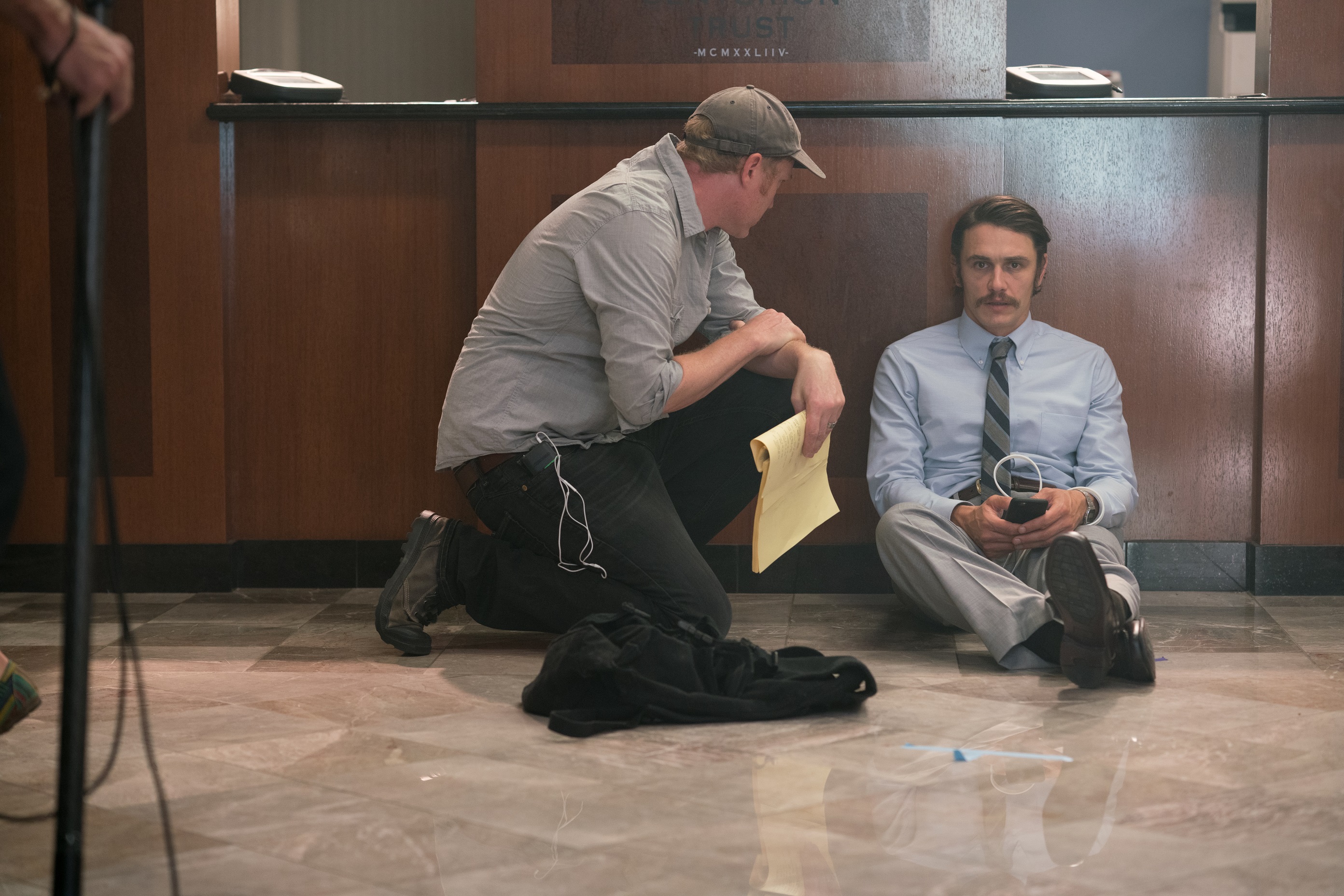
We had a little less than a week with James and it wasn’t all consecutive, because he’s such a busy guy so that forced me to control his range of motion in the movie a little bit. It was such a pleasure when he showed up; everybody was on their best behaviour and he nailed it.
There was one moment in particular when I wanted to shoot several scenes that weren’t necessarily scheduled for that day but they all had the same feel and energy. I took a whole lot of the script that involved his character in the room that he’s in, and I stripped out all the business and all the direction, and just had the dialogue like a play. It came down to nine or ten pages of material. I handed it to him and said “I want to block shoot this, shoot all of it consecutively, I don’t want to cut. How do you feel? We didn’t prepare for that.” He said, “Let me see it”, and he grabbed it. I talked to my AD for five minutes then asked James, “How do you feel?”
James said, “I’m ready, done, good – I’ve got it.” He went back to read his book. We rolled on it and sure enough, he not only had everything memorised verbatim but he had made really specific decisions and emotional investments in every beat. It was stunning to watch – I’d never seen anything like it.
How did he become involved? I know he’s worked with Scott before.
Scott and I had met before and really hit it off – I think he’s one of the best actors working today, period. He appreciated my work and what I was trying to do with this movie in particular, and he put in a good word with James. The producers and my manager – there were a lot of connections across the field to James and his producing partner Vince, and they decided that they would be able to carve out some time to do it, which was wonderful.
 In terms of the effects – were most of them practical?
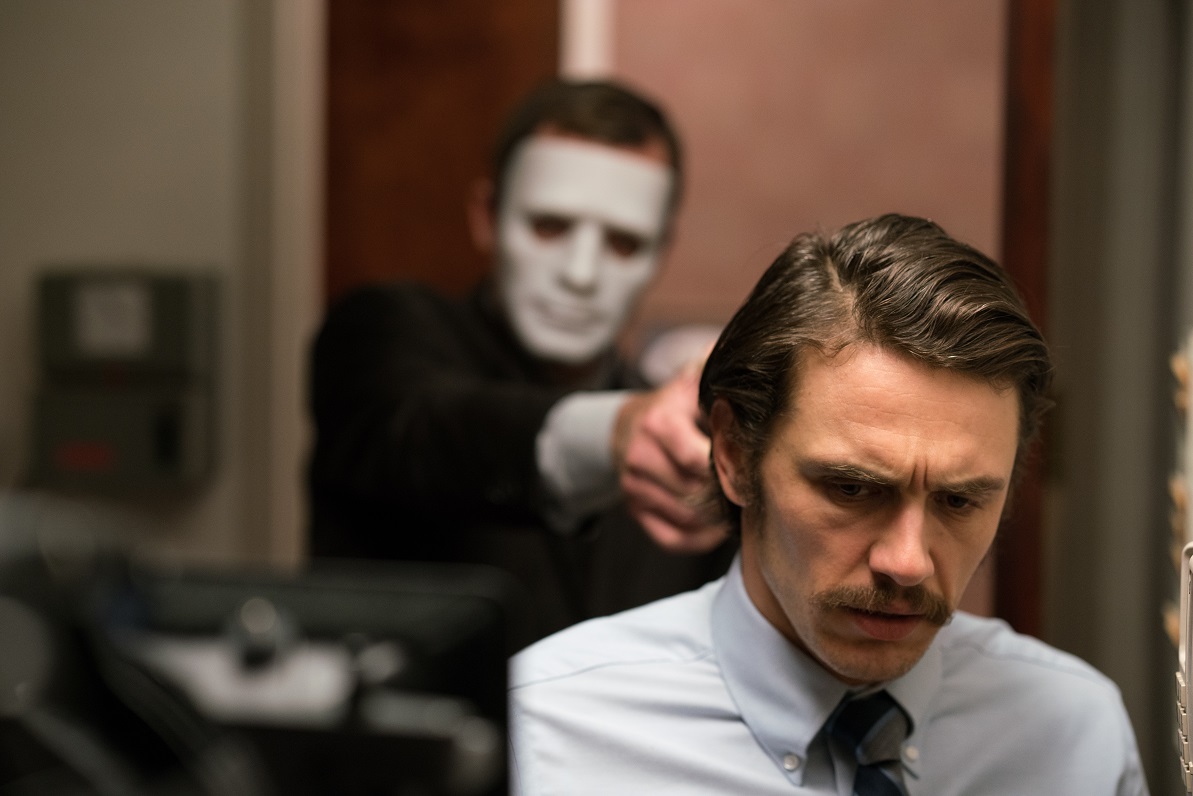
The Bagheads were sculpted by our production designer, Jessee Clarkson. I had given him a ton of visuals that I wanted him to incorporate. I had seen The Orphanage and it freaked me out, and was looking at other references throughout not just horror movies but historical documentaries.
With the Bagheads, I wanted them to be vacuuformed to their faces so you could still see the skull and the eyes gouged out and the heads mummified. Jessee sculpted several different masks, and we had to create masks that people could see out of and breathe out of. There were a lot of technical difficulties with making that stuff safe and effective.
I thought he killed it – it looked really disturbing to me and I love what he did with that. He also designed the Vault door.
We didn’t have any CG in the movie, but had to comp[osite] in the computer screens later, because we shot the basement locations after we shot the upstairs bank lobby area. Most of the fire is practical but the last piece is not – but there was not a big CG or VFX moment. The light and textures were done in camera.
 What was the biggest challenge for you of the movie?
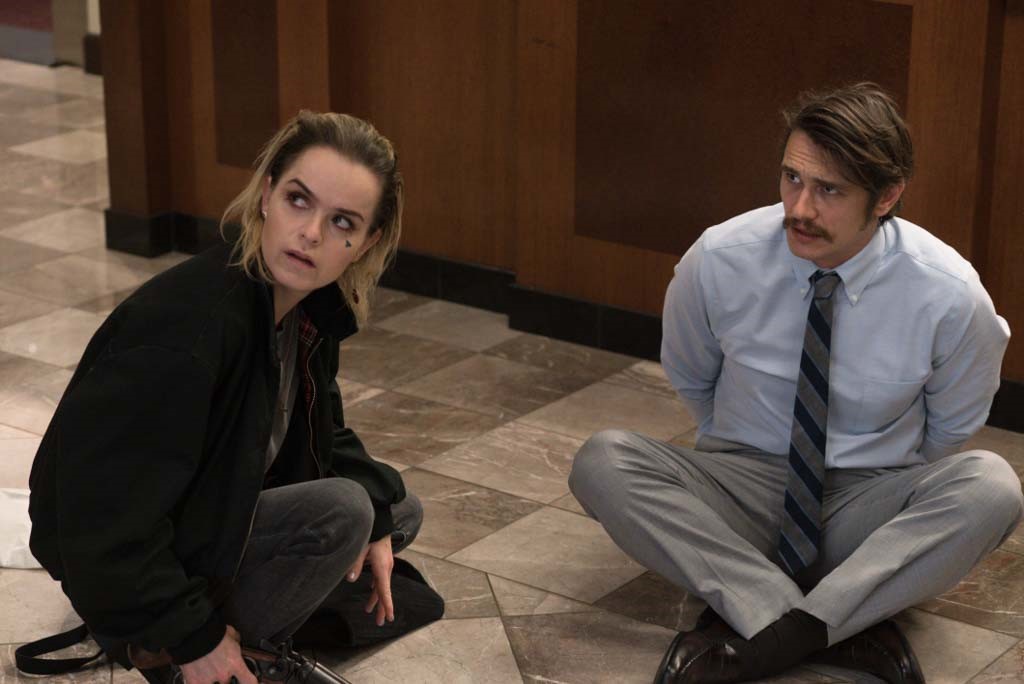
Having to shoot it in 17 days, including the pick up shots we did, with actors having crazy schedules and not being available together on given days necessarily and having to shoot that much material, so knowing where to cut, where to emphasise things. I call it “cinema math” – three-dimensional Tetris to sculpt a movie.
Having to keep all that in my head so I knew specifically what angles I was missing and what framing I’d used – that was easily the most difficult thing about it. The saving grace was that we had only two major locations during production. But the actors were very accommodating and came prepared. We fought like hell and we made it happen.
THE VAULT is in cinemas and on iTunes & digital HD from 8th September
Thanks to Camilla Butler and Rebecca Cherry for their help in arranging this interview
 Doctor Who News Star Trek News
 Sci-Fi Bulletin: Exploring the Universes of SF, Fantasy, Horror and Spy-fi!