Interview: Michael Blyth: The Cult of John Carpenter
Over the next few weeks, the BFI is running a season of films that highlight the work of John Carpenter, from Dark Star to In the Mouth of Madness. The […]



Over the next few weeks, the BFI is running a season of films that highlight the work of John Carpenter, from Dark Star to In the Mouth of Madness. The […]
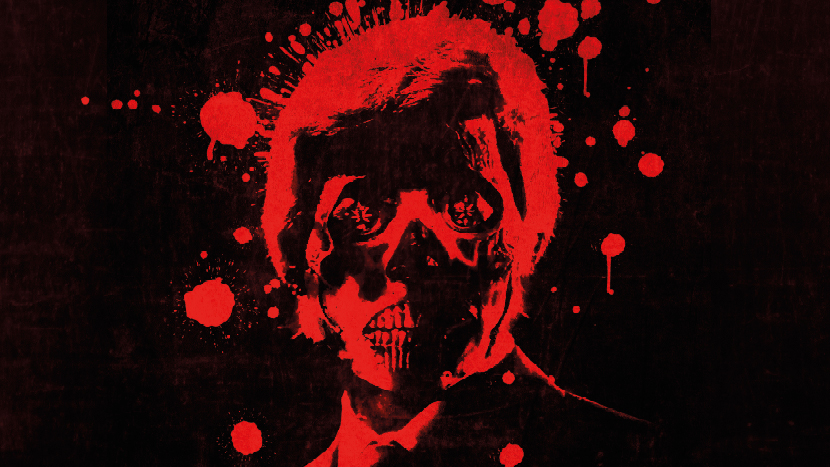 Over the next few weeks, the BFI is running a season of films that highlight the work of John Carpenter, from Dark Star to In the Mouth of Madness. The season is curated by Michael Blyth, a programmer for the BFI London Film Festival who programmes the BFI’s CULT strand year-round at BFI Southbank, and he talked about the work of the often-overlooked American director with Paul Simpson…
a
a
The season is called “The Cult of John Carpenter” – do you feel that Carpenter has received the acclaim that he deserves from British audiences? And if not, why do you think that is – is it a bias because he’s mainly worked in “genre” film?
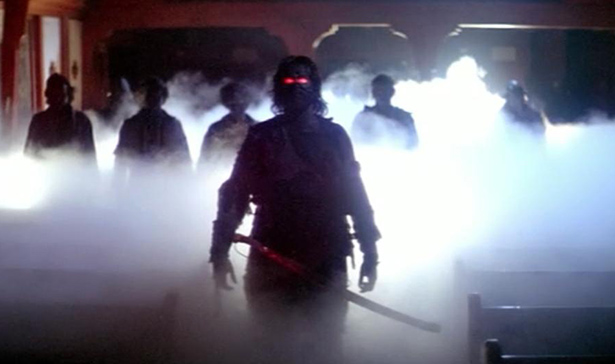 The interesting thing about John Carpenter is how critical perception has shifted (and continues to shift) over the years. Just take a look at some of the reviews for Halloween or The Thing from when they first came out and you’ll find a large contingency of critical voices who were ready to dismiss Carpenter as just another mindless horror hack. Of course, those films are now considered classics, and not just horror/sci-fi classics, but bona fide cinematic masterpieces which transcend genre. One of the wonderful things about John Carpenter is his ability to defy expectations, to make both critics and audiences question the supposed boundaries of genre cinema, and prove that horror or sci-fi or action movies can and should be taken seriously. Carpenter has never shied away from being perceived a ‘genre’ filmmaker, and that proud commitment is what makes him such a legend among his fans. Part of why I am so excited for this season is so that those who might have previously dismissed or overlooked him can have a chance to change their minds.
Every Carpenter fan has their own personal favourite (for me, it’s still The Fog); which of his movies did you see first, and which is your own favourite?
 The first one I ever saw was Halloween, and you know what, I was a bit disappointed. I must have been about 11 or 12 and got my hands on a hideous pan and scan VHS which was dark, blurry and completely butchered his widescreen compositions. It wasn’t until a couple of years later that I saw the film again, this time in the correct aspect ratio, and it was an absolute revelation to me. It was like seeing it for the first time. Suddenly I understood what all the fuss was about. Still now, all these years later, it continues to amaze me. The tone, the pace, the atmosphere – everything is perfect, and I find more things to appreciate with each viewing.
As for my own personal favourite Carpenter film? I love Halloween, of course, and I have a very special place in my heart for The Fog and for Christine, but I’m going to go with one of his lesser appreciated films, In the Mouth of Madness. It is so inventive and unhinged and funny. It’s a horror fan’s horror film, a glorious and heartfelt celebration of our beloved genre. I’m actually writing a book on it at the moment (which will be published by Auteur Press in the new year), and think it’s high time it was discussed among his best works.
What do you think set JC apart from other filmmakers of the 70s and 80s? Do you feel that was diluted in any way when he started doing the “bigger” studio movies?
 There are many instantly recognisable characteristics to his films; his minimalist visual aesthetic, his love of tracking shots, his frequent homages to old Hollywood Westerns, his famed synth scores… But although it’s easy to run off a list of his stylistic traits or narrative themes (paranoid dystopian futures, a mistrust of capitalist venture, a fondness for an all-American anti-hero, to name a few), there is always an extra something with Carpenter, an intangible tone which is at once instantly recognisable, yet somehow impossible to put your finger on. Maybe it’s this indefinable quality which sets him apart and makes his films so endlessly compelling, and why his work elicits such unwavering devotion amongst his legions of fans, as if under his spell. I do think that power, that quality, is there through all his films, but Carpenter himself has said that he prefers to work away from the prying eyes of overbearing studios, and I think it is in his independent productions that his voice is strongest.
 Which movie do you think crystallizes Carpenter’s approach to directing movies?
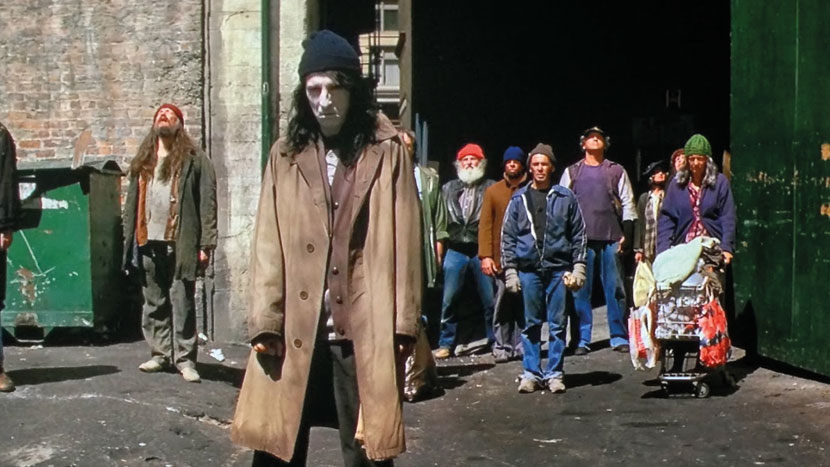
I’m going to go a bit leftfield and say Prince of Darkness. I say that because this was a film he made independently having endured a few years of battling studio interference on productions such as Starman or Big Trouble in Little China, and that sense of freedom is evident in every frame. This is a film that could never have been made for a big studio, it is just too strange in its pacing and storytelling. It’s a film that demands a lot from audiences, and doesn’t always provide the expected (or conventional) pleasures of a horror film. Prince of Darkness is pure, unapologetic Carpenter, and shows how creative and daring he can be when left to his own devices.
You’re concentrating in the season on the first 20 years of his career: was there a conscious decision not to include the later work such as Village of the Damned, Escape from LA, Vampires and Ghosts of Mars?
Like a lot of Carpenter fans, I have a lot of time for some of those later films, but it just came down to a matter of space. I hope that this season will give audiences a chance to experience and appreciate a filmmaker at the peak of his powers, and see just how important his contribution to cinema is. And as a result I hope that people go off and complete the full retrospective themselves. There has definitely been a critical shift in opinion over the last few years with some of his later work, particularly Vampires and Ghosts of Mars, and if previous experience is anything to go by, this shift will only continue to grow with each passing year
 What would you say Carpenter’s biggest influence on cinema has been?
How much time do you have? Try naming a horror film from the last 30 years which doesn’t bear some trace of Carpenter. It’s pretty much impossible. His influence is endless.
The Cult of John Carpenter runs at BFI Southbank until November 28. For full details click here
Thanks to Liz Parkinson for her help in arranging this.
 Doctor Who News Star Trek News
 Sci-Fi Bulletin: Exploring the Universes of SF, Fantasy, Horror and Spy-fi!