Accident Man: Interview: Scott Adkins
One of the less well-known comic book heroes is about to hit the screen, thanks to British action star, Scott Adkins, whose love for Pat Mills and Tony Skinner’s Accident […]



One of the less well-known comic book heroes is about to hit the screen, thanks to British action star, Scott Adkins, whose love for Pat Mills and Tony Skinner’s Accident […]
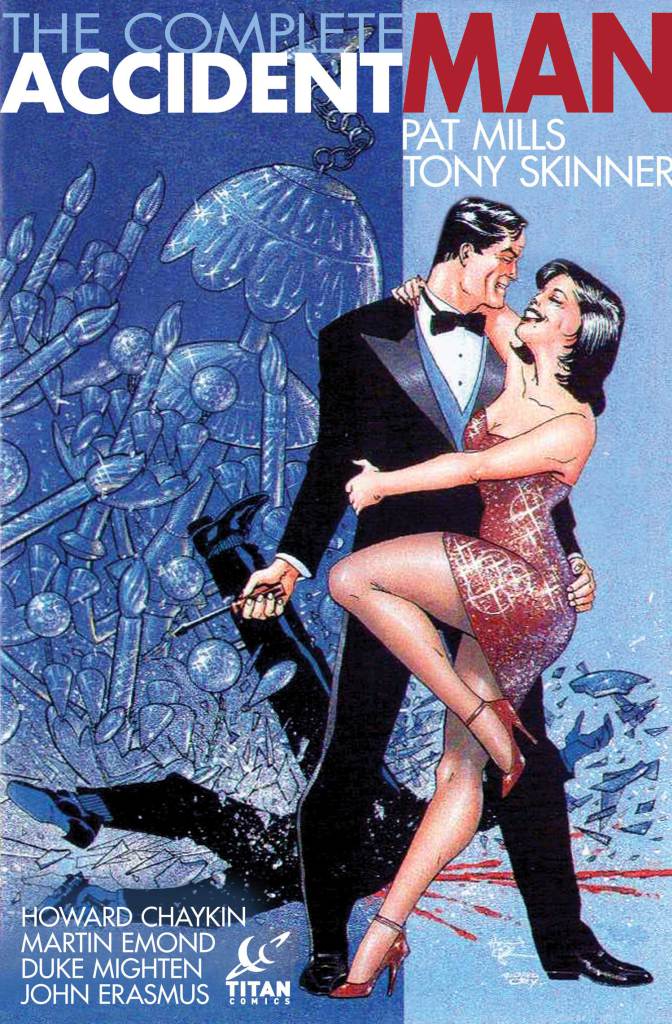
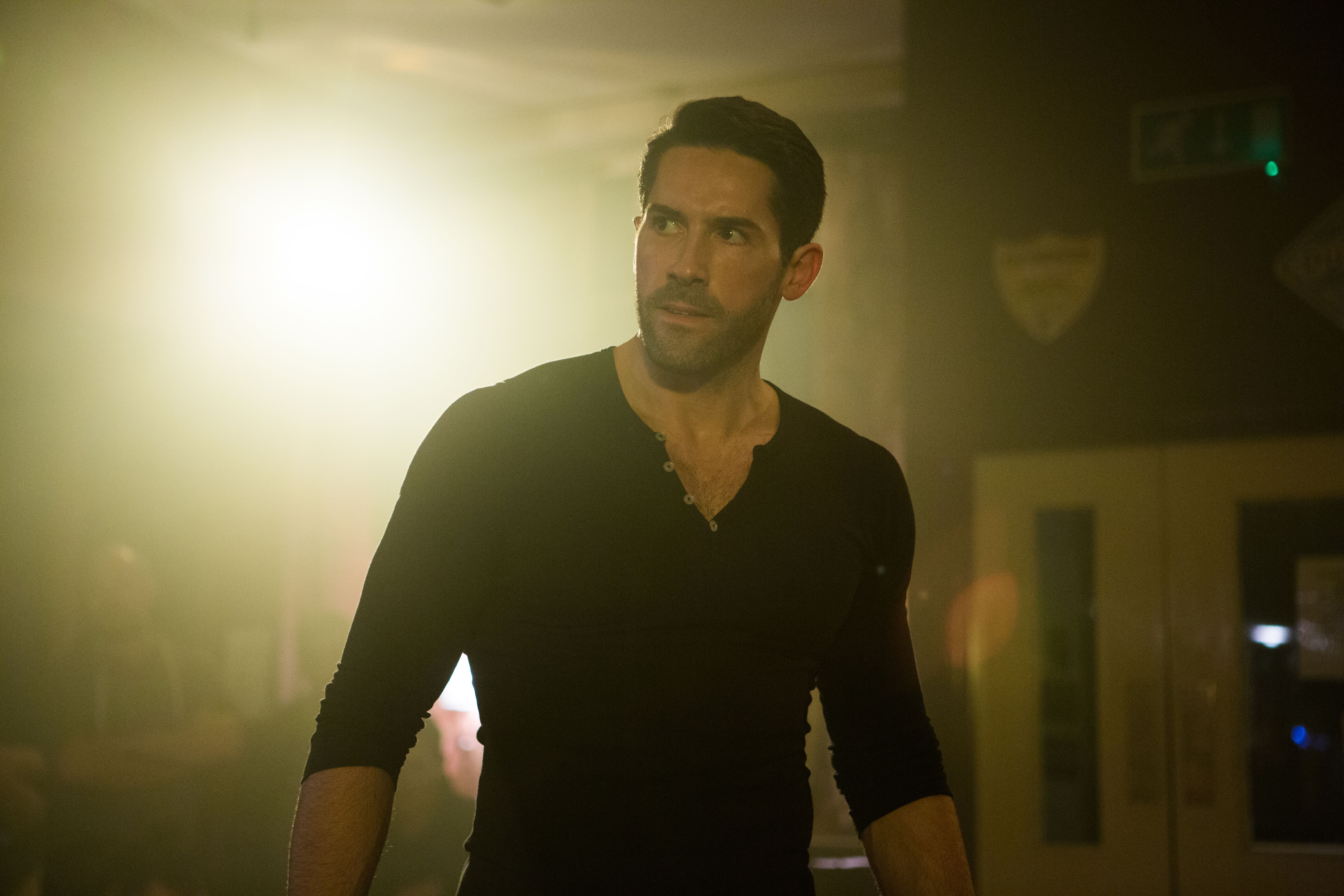 One of the less well-known comic book heroes is about to hit the screen, thanks to British action star, Scott Adkins, whose love for Pat Mills and Tony Skinner’s Accident Man – created for the pages of Toxic! back in the 1990s – led him to gaining the rights, and getting the film made. It’s out on DVD on April 16, and Adkins chatted with Paul Simpson about bringing to life Mike Fallon – a hitman who always makes his murders look like accidents…
Why has Accident Man been a passion project?
When I was a kid I came across the comic book and I loved it, and I always felt it would be a great film. Nobody made it so I took it upon myself to make the film. I now am Mike Fallon, the Accident Man. I optioned the property myself, wrote the script, produced it, starred in it – so I don’t think it gets much more of a passion project than that.
 What was it about it as a kid that you liked?
I’m a big fan of comics but I like the British stuff like 2000AD. A lot of the comics from that era were quite violent and anarchic and sardonic and all the rest of it. I liked the character and I did like the violence, to be honest. I enjoy violence on film, I always have. I was exposed to violent movies as a young boy – I find it very entertaining.
Now don’t get me wrong: I’m not a violent person in real life. Although I do martial arts, I don’t go round punching people. But there’s a certain entertainment value to be had and when I was growing up they used to make action films that were proper, very violent movies. Remember Robocop? Die Hard? All these films were quite violent and if I get the chance to pull the strings and make a movie I do enjoy putting a bit of violence in there. I do think it can be thoroughly entertaining.
Did you have much trouble getting the rights?
I got a bit lucky – it was quite an obscure comic book. It’s not Judge Dredd! It had been optioned before by a few American producers who wanted to dilute it and make it completely different. When I met [creators] Pat [Mills] and Tony [Skinner] I explained I was very passionate about it and that I wanted to do it the way it was in the comics. They probably didn’t believe me but we didn’t shy away from the violence, who the character is and what he is at his core, and I think it’s a nice breath of fresh air.
He’s totally unapologetic as to who and what he is.
Yes.
 Is it the first time you’ve worked on a screenplay of this sort of size?
You always have a little hand in anything that you do – “I advise you to do this with the character” or “maybe it’s better to do this”. Sometimes that falls on deaf ears, sometimes not. Sometimes the producers don’t want to know – “that’s the script, are you doing it or not?” On this one, it was my project from the ground up.
You’ve got the hell of a cast on this – are they people you knew and worked with or did they come via the director?
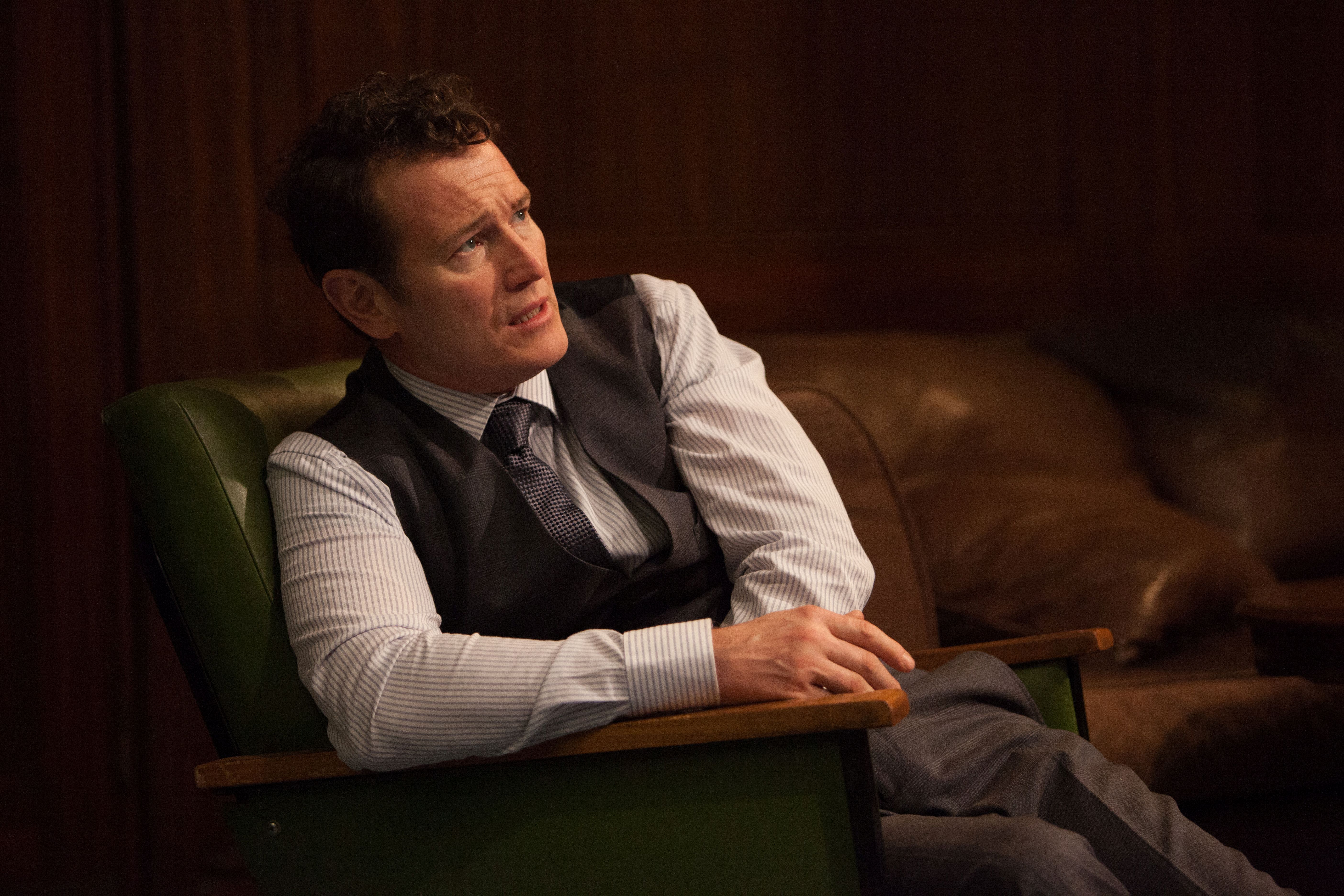
The director, Jesse V. Johnson, I’d worked with before – I wanted him to do it – and Michael Jai White did me a favour. The rest – the martial arts actions guys they knew my movies, they knew when it comes to action I don’t mess about and will deliver a good project. It will visually look good when it comes to the fights. But David Paymer or Ray Stevenson, they signed up because of the script which I have to pat myself on the back for. That was enough to make them go “we want to do this”. Especially for the Big Ray character – Ray Stevenson’s character – the m.o. for me and Stu as writers was to write a character that a really great British actor was going to play and we certainly succeeded with that.
 How much did you amend the script once you knew Ray was going to be involved?
We wrote it for him. With David Paymer that character was a foppish English gent, but when we knew we could get David, we made him an American that desperately wanted to be English. We adapted where we had to. Michael Jai White’s character was meant to be a British SAS guy, but when the opportunity to have Michael came up we said, “let’s make him American Special Forces guy and let them bicker about which special forces is best.” It actually helped and gave a different dynamic.
There are various places where it feels almost Tarantino – not just the action, but the almost Pulp Fiction feel of those scenes…
That’s what we wanted to do with the guys when they’re in the pub; we didn’t want to do the whole “we’re action stars pulling tough faces and trying to be tough guys”. We weren’t trying to copy Tarantino but I appreciate the similarities. Whenever you’re in this pub it’s like a Friday night out with the lads: you’re having a laugh, taking the piss out of each other in a very British way.
Did the Americans buy into that – it’s not something that particularly is common out there?
I think they’re perceiving it ok. I think some of the English swearwords maybe go over their heads! We put pretty much all the British swearwords in – I’ve got a filthy mind, I’m sorry! It’s a lads’ movie and that’s what I wanted to make.
 When you prepare a fight sequence, do you write stuff down, do it visually, or just have it in your head?
That’s what I love working with Tim Man, who’s our fight choreographer/second unit director. He’ll pre-viz it all beforehand.
I would love to be with him pre-vizzing it, and I did at some points find the time but on a low budget movie, you don’t have the resources to hire a load of stuntmen and a gym. We did maybe for a week, but Tim was able to pre-viz a lot of fights in Sweden where he lives before we did the film. In a gym he will film it on his video camera and edit it all together so that on the day you know what you need to shoot.
When you’re scripting, do you write how the action sequence goes in the script, or is it more “There’s a fight and he kicks the living shit out of him.”
The second one – I know enough to know that until we see the location, we don’t know what the fight is. We haven’t got the location when I’m writing the script. Why write it all down?
A few times notes would come back with “this writer doesn’t even bother to write out the action sequences” and I thought, “You haven’t got a clue what you’re talking about. I make action films for a living; there’s no reason for me to write it out in script form when it’s going to be choreographed by a fight coordinator!”
 What was the biggest challenge of getting it up on to the screen?
I really wanted to keep it English but some people wanted me to change that; some producers thought they could film it in Bulgaria. Absolutely not – it’s filmed in London. The biggest challenge was the three-four years I tried to get producers interested in it and it falling on deaf ears, all the while films like John Wick, Deadpool, Kingsman have come and gone – all these films coming out that are similar to Accident Man.
People might say it was inspired by John Wick or Deadpool. Absolutely not: I was trying to get this off the ground for the last five years. It was quite frustrating in that way. Even the comic book Accident Man predates the comic book of Deadpool.
 While you were getting this off the ground, you were working on Doctor Strange. When it comes to doing a fight sequence, are certain fundamentals the same no matter what the budget…
It’s all the same to us, but if you’ve got a bigger budget you’ve got more time and more resources. It can be a lot less painful on a big budget film like Doctor Strange where you’re on the set and all the floor’s padded but it looks like solid oak; there’s a nice padded flight of steps. On a low budget movie you’ve just got to fall down a real flight! You have less time but it’s all essentially the same problems.
 What’s the element of Accident Man that you’re proudest of that’s worked on screen?
I’m proud of many things in the movie: I’m proud that it’s my first time as a producer, I was able to pull that movie off on a very small budget. I really like my performance in it as well: I thought I took a step up there.
It was a dream project, I wanted to do it just to do it. I didn’t want to die, having not done this. I’m very happy that people seem to like the movie. I know it’s already found its audience and I hope it continues to find more people that like that sort of film.
As a first time producer, what surprised you most about having to put that hat on?
When you deliver the script, they ask who you’d like, and you give a list of ten actors, famous actors, and if you don’t have one of the ten, you don’t have a movie. That was a very nerve-wracking experience. Even now I’m coming up against things I really didn’t think about like marketing and all the rest of it, distribution… it’s non stop. It’s almost 24 hours a day the workload because you’re constantly talking to America.
 Was there any resistance to you taking the lead role?
No, it was always, this is the deal if you want to make it. I did expect someone to say “we want the script but we want Jason Statham” – but that didn’t happen, luckily for me. I could see how it could work but he’s already done The Mechanic, which is similar in story.
Will we see more?
I absolutely hope so but we need the film to be a financial success and if we have a film that doesn’t get a theatrical release and goes straight to Blu-ray, people need to go out and buy the Blu-ray or download it legitimately on iTunes. If you want to see a sequel, don’t download it for free: be a good member of society and pay for your entertainment please…
Or somebody will be paying you a visit!
Exactly.
Accident Man is out on DVD from 16th April. Thanks to Michael Hammond for his help in arranging this interview.
 Doctor Who News Star Trek News
 Sci-Fi Bulletin: Exploring the Universes of SF, Fantasy, Horror and Spy-fi!