Interview: Doctor Who: Shada: Charles Norton, Olivia Bazalgette and Daniel Hill
On Doctor Who’s 54th anniversary, November 23th 2017, a group of journalists were invited to London to a special event – the unveiling, a mere 37 years late, of the […]



On Doctor Who’s 54th anniversary, November 23th 2017, a group of journalists were invited to London to a special event – the unveiling, a mere 37 years late, of the […]
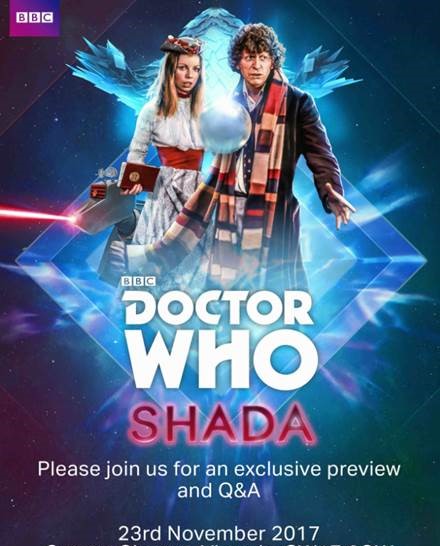 On Doctor Who’s 54th anniversary, November 23th 2017, a group of journalists were invited to London to a special event – the unveiling, a mere 37 years late, of the final story of Doctor Who’s 17th season, Shada by Douglas Adams. Alasdair Stuart was there…
One of Doctor Who’s great forgotten classics is finally coming home. By the time you read this, Shada will be available to buy digitally with a physical release due on December 4th. An unfinished Baker-era story, Shada was Douglas Adams’ final script for the show and one of Baker’s final stories in the role. Adams would mine it for ideas for the first Dirk Gently novel, and the story would be adapted for different iterations of Doctor Who but its original form has never been completed. Until now.
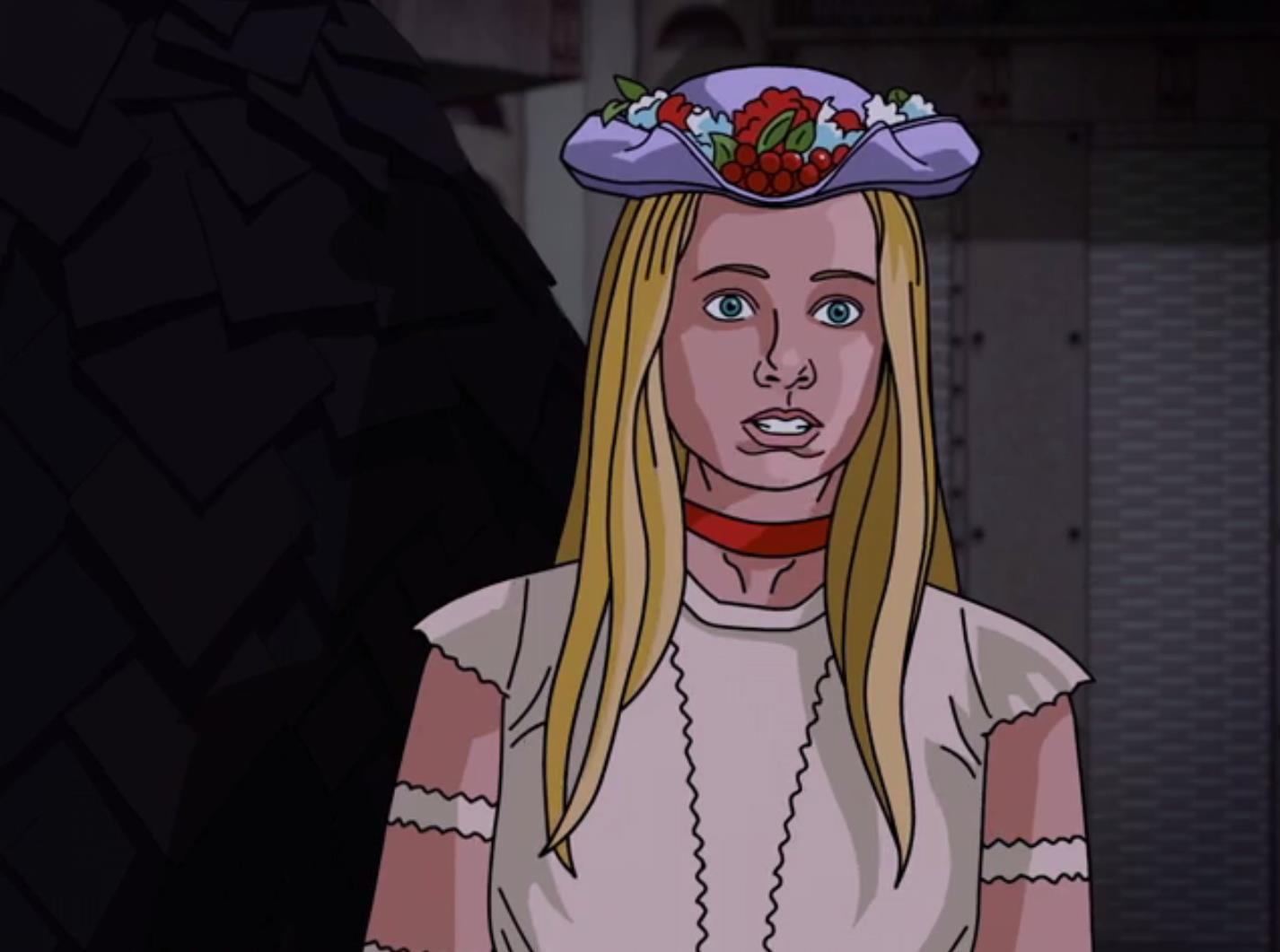 I saw 40 minutes of the completed story. It included restored footage from the original shoot and some deeply impressive animation for the sections that were never filmed. The entire surviving cast returned for the recording and, in a Q and A after the screening, several production members gave us a detailed insight into the process.
Charles Norton, the producer and director, was joined by production assistant Olivia Bazalgette and Daniel Hill who plays Chris Parsons, the ‘guest assistant’ in the story. The panel, moderated with typical enthusiasm by Toby Hadoke, was fast, information dense and brimming over with the enthusiasm the cast and crew clearly still feel for the story.
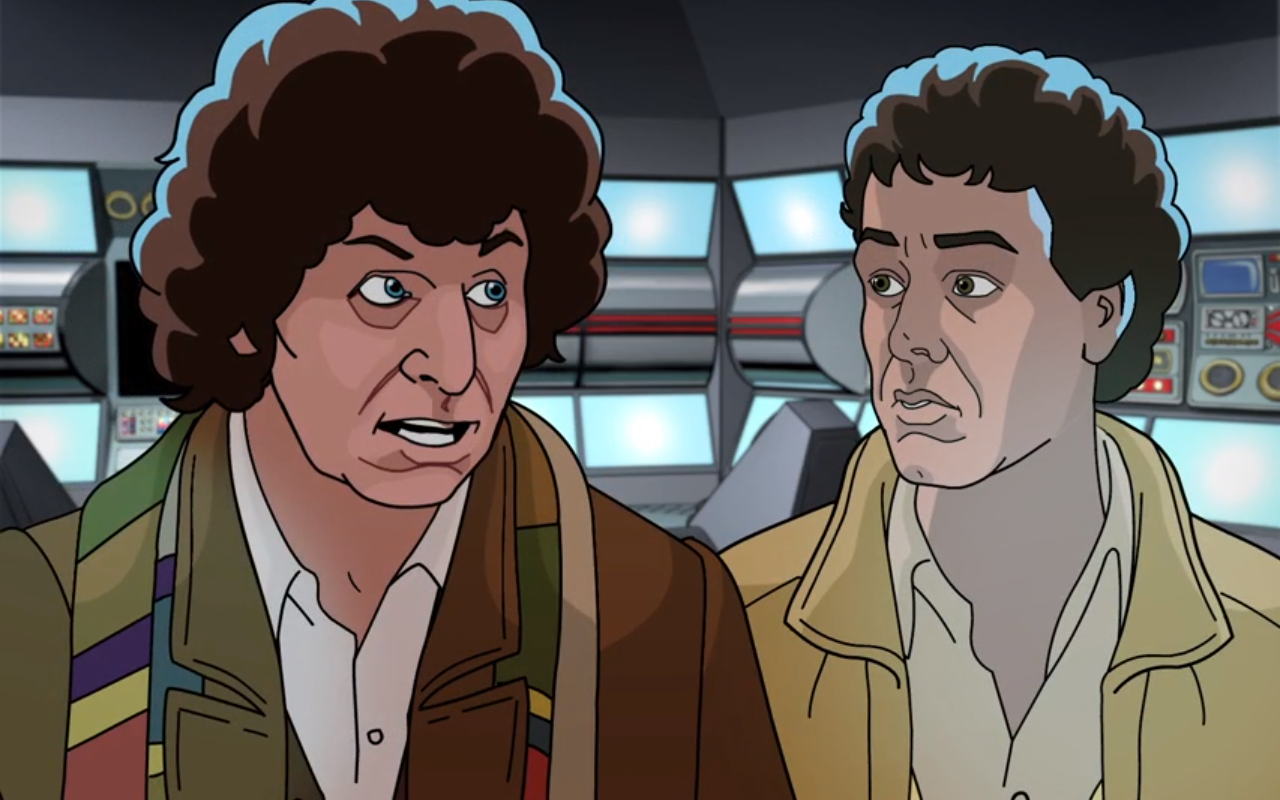 Daniel Hill went into detail about how he felt almost haunted by the role. He loved playing Chris and hated that they’d never had the chance to finish the role – so much so that when he worked on the same sound stages years later he’d always remember them as where Shada had been filmed.
He felt it was extraordinary to bring the show back together and was delighted with how well it had gone, and talked about how the actors had spent some time being filmed in front of a green screen to get their gait and posture down for the animation.
Hill also, massively sweetly, revealed that not only were his kids now older than he was when he filmed the show, but that he met his wife on it, his wife being Olivia Bazalgette, the third guest. The two were adorable throughout the panel, and it was deeply inspiring, and heart-warming, to see two professionals with such clear love for their work.
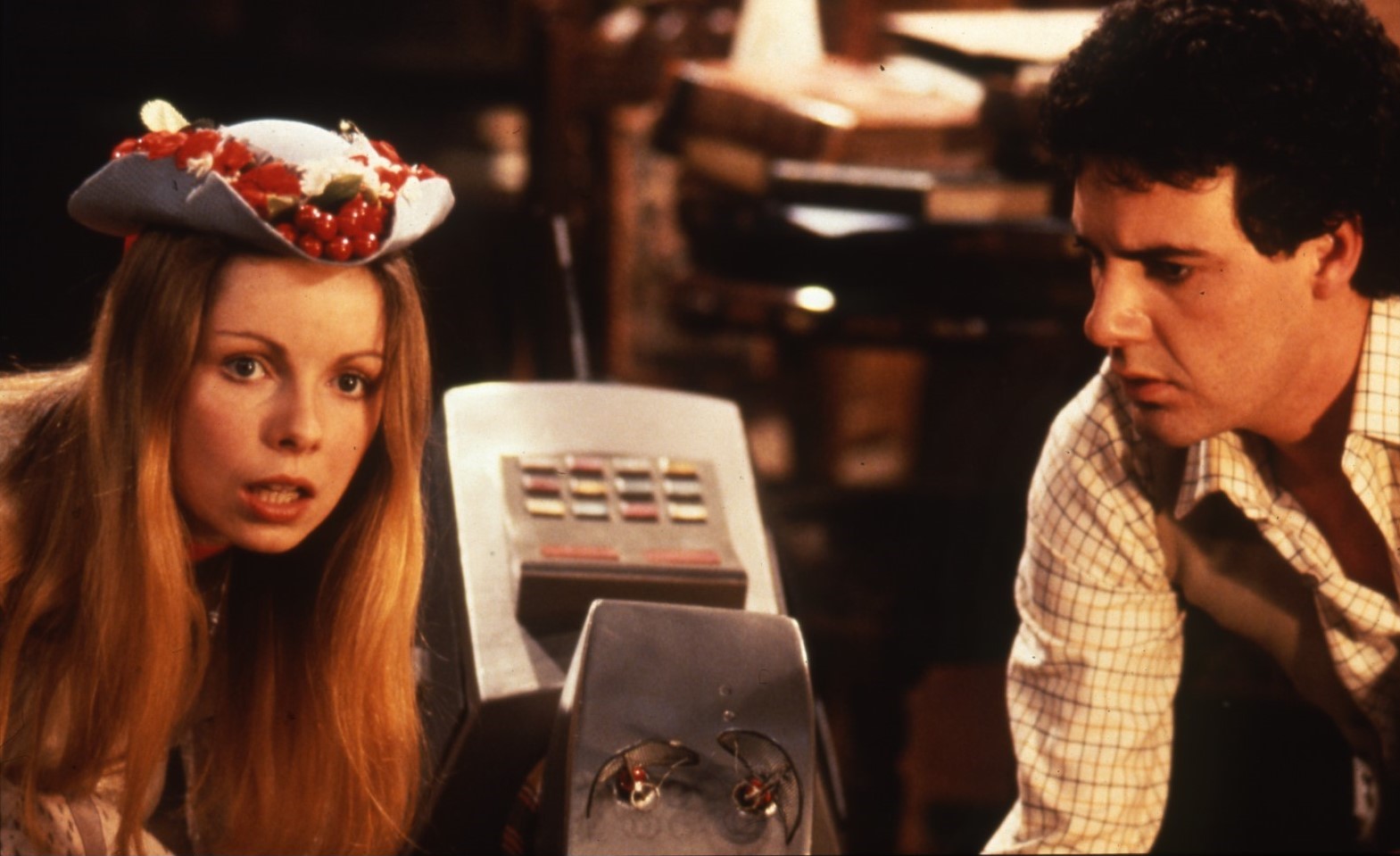 Bazalgette also provided some welcome context for how the show was produced. She and Norton explained that ‘rehearsal scripts’ were massively overlong and designed to give the actors space to find the right beats for the character. The camera scripts would then be built out of what worked, and as Bazalgette revealed, often typed up the night before filming.
She also made it clear that the late Pennant Roberts, the director, was extremely sympathetic to the striking workers. As a result, the possibility of the strike arose early and the production was remarkably free of drama even as it shut down.
A surprise fourth guest in the audience was revealed to be Mark Ayres. A prolific TV composer, Ayres studied with Dudley Simpson, the original composer. He revealed that there were plans for the pair of them to work on Shada together but Simpson tragically died before these could be completed. Ayres continued in his honour, and the music is a real standout of the renovation.
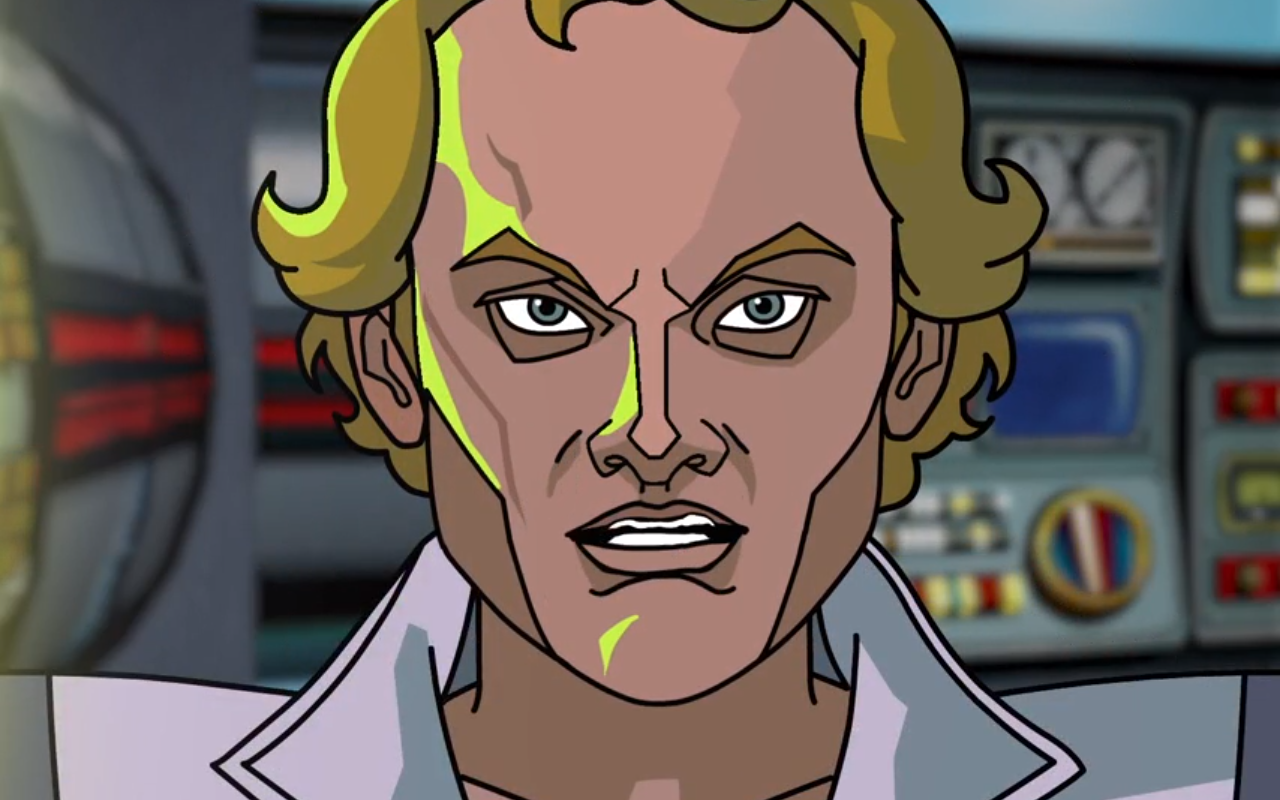 Norton went into detail about how careful they were to be authentic. New model sets were produced using 1970s techniques and equipment. for example. Likewise, he was so motivated for the show to sound like it had that instead of sitting actors around a mic he had his sound engineer work off boom mics. That meant the soundtrack had the same ambient feel as the original, further ensuring the period feel was maintained.
He also made it clear there is a massive amount of in jokes in the animated scenes. One viewer pointed out a book written by Zaphod Beeblebrox and Norton told us to watch every book title, every number plate. They had a lot of fun with this one.
Norton spent some time discussing how they shot the final scene, and how, in fact, the original story had two entirely different final scenes they had to choose between. The final scene is a doozie. We were shown it, and asked not to spoilt it. Trust me it, it’s worth the surprise.
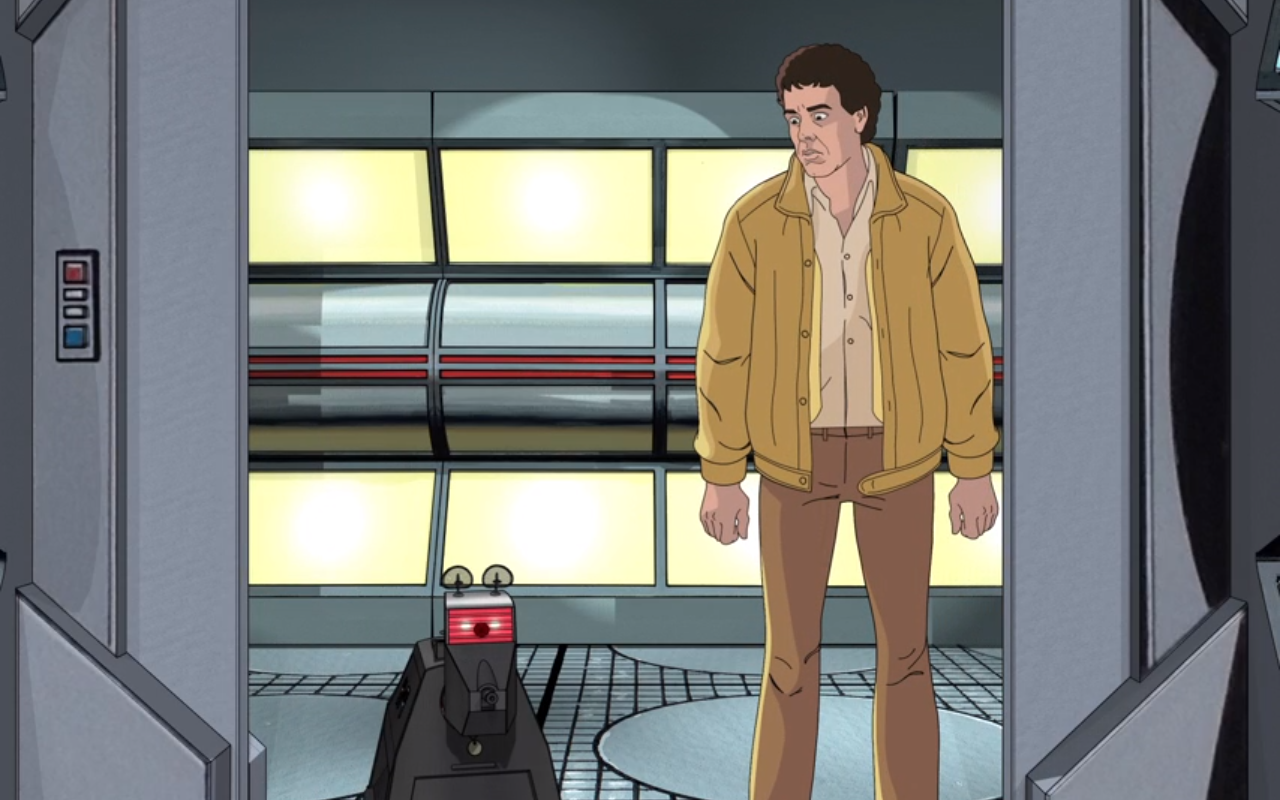 The director also explained how they found an old ADR tape of David Brierley, the voice of K-9 during Season 17. The tape was crammed full of generic K-9 lines and meant they could have Brierley be part of the story even after his death. Norton said there were a few cases where they had to work around a K-9 moment because the tape didn’t have the line they needed but it was able to secure the vast majority of the performance.
That level of ingenuity, and love, for the story is what really came across. Everyone from the cast to the production staff have bent over backwards to honour and finish one of the great white whales of Doctor Who. From what I saw, they’ve done an amazing job and I can’t wait to see the whole thing…
To purchase a download of Shada, click here

 The DVD and Blu-ray are released on Monday December 4th
 Doctor Who News Star Trek News
 Sci-Fi Bulletin: Exploring the Universes of SF, Fantasy, Horror and Spy-fi!