The Prisoner: Interview: Peter Milligan
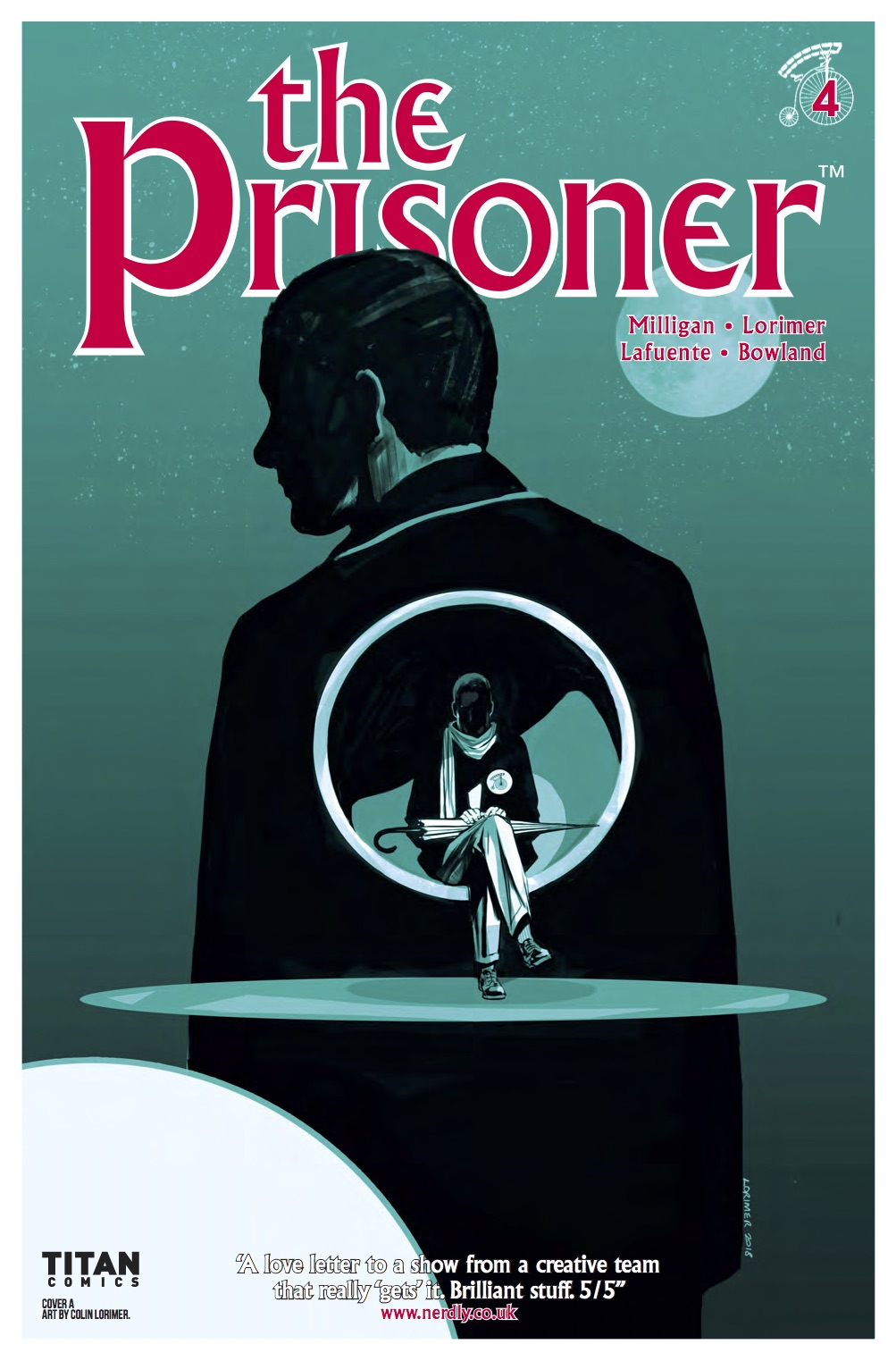
For four months earlier this year, fans of The Prisoner enjoyed a 21st Century comic book sequel thanks to the clever writing of Peter (Bad Company) Milligan. Nick Joy caught […]



For four months earlier this year, fans of The Prisoner enjoyed a 21st Century comic book sequel thanks to the clever writing of Peter (Bad Company) Milligan. Nick Joy caught […]
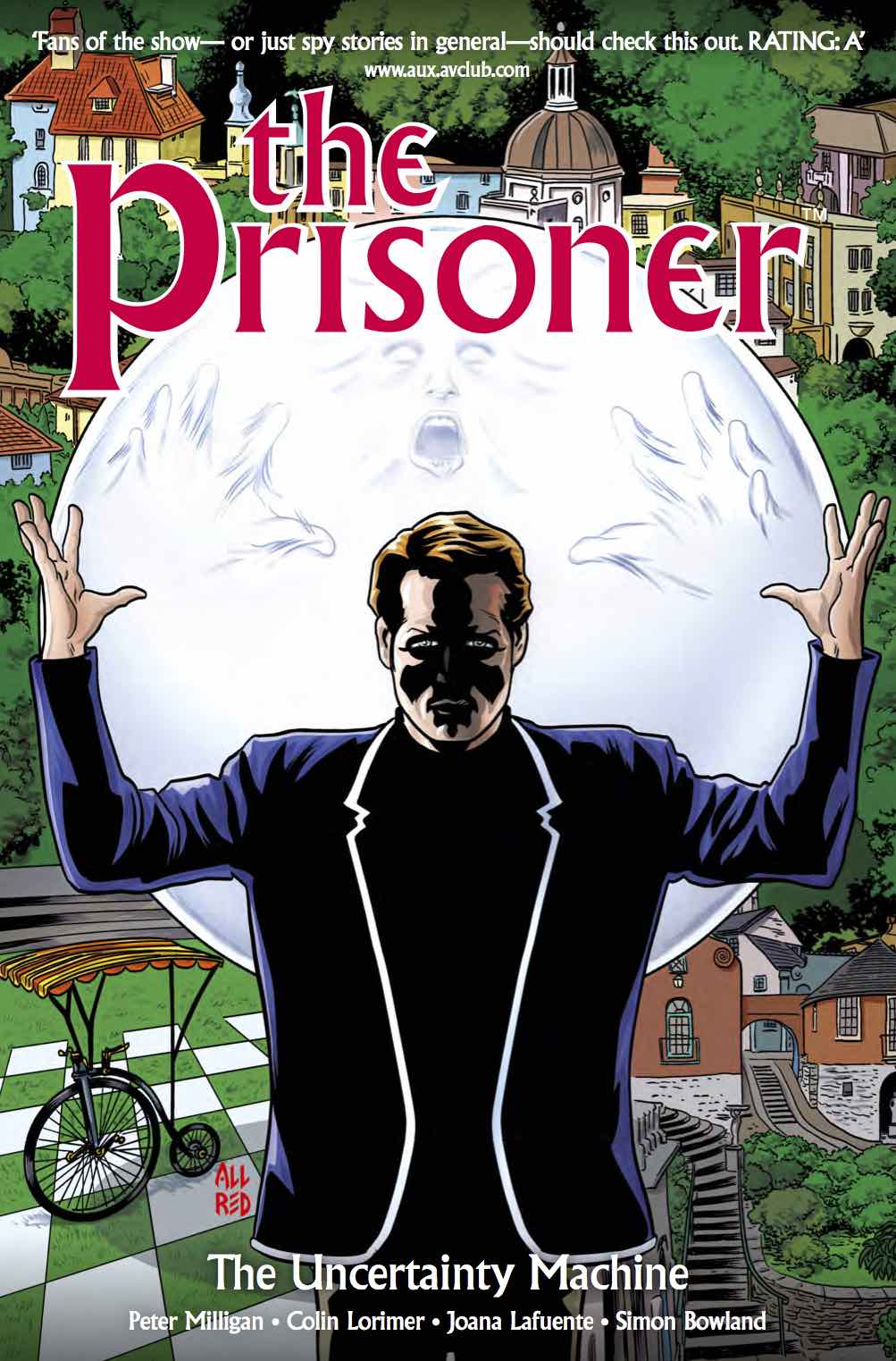 For four months earlier this year, fans of The Prisoner enjoyed a 21st Century comic book sequel thanks to the clever writing of Peter (Bad Company) Milligan. Nick Joy caught up with him on the eve of the publication of the collected graphic novel and demanded information. Information! INFORMATION!
Hi Peter, thanks for taking the time to talk to us about the graphic novel release of your The Prisoner: The Uncertainty Machine. I was someone who read each individual issue as it came out and then had to wait until the next month to see how the explosive cliffhangers were resolved. Is that your preferred way to approach a series, or do you like to ‘boxset’ the lot in one go?
I don’t exactly boxset. Each issue has to work as a single issue but of course it all builds up to the collection. Some stories really suit the collected format, particular complex and twisting and twisted ones.
In my review of the first issue I appreciated the build-up that led to the arrival in the Village whereas some readers were very impatient and wanted to get there as quickly as possible. How did you pace your story?
There’s no right or wrong way with this story. There’s a decision, either get our hero into the village straight away – that’s how they did it in the TV show – or wait a while and learn a bit more about him and the Village before he goes there. As I really wanted to see more of the spy, secret agent side of the hero this latter course of action suited us.
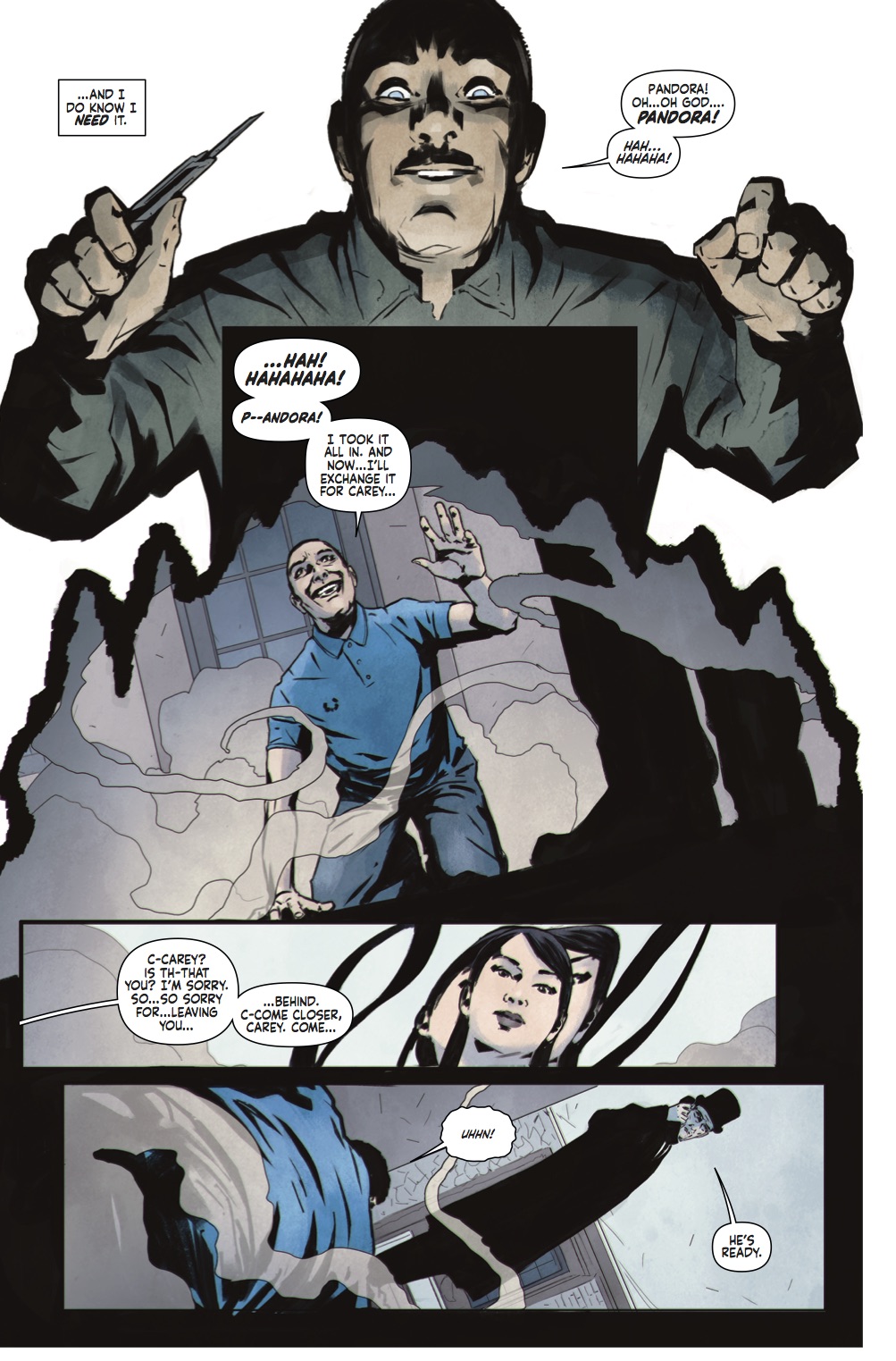 Was this always planned as a four-part series or did it evolve to that length?
It’s not that four is some kind of magic number (unlike six!) though it is a good number, fitting nicely into a collection. Four issues was what it took to tell this particular story.
What was your first experience of The Prisoner and what particular qualities were essential for your new version?
Television as a very young kid, probably mostly with repeats. The quality I wanted was that sense of the strangeness of a life that is veering towards – being tugged towards – the surreal. I was always interested in Number 6’s life before he got to the Village so in this story wanted to see more of that. This brought together my twin interests in the work of Frank Kafka and the spy novels of John le Carré. I really enjoyed getting more into the spy story side of things as that world, at least as portrayed by le Carré, can seem every bit as strange and psychologically twisted as any Kafka a story or Prisoner TV episode. That said, I was aware that what made The Prisoner TV show work originally was its relevance to its own particular time – so it wouldn’t do to simply transplant that into our own time with its different concerns.
Did you ever see No. 6 as an extension of Danger Man’s John Drake, or are you happy with McGoohan’s assertion that they are just two people with the same face?
Both of these arguments have their merit. Number Six is definitely a Drake-ish character. But the truth is we never get to know enough about him to know who he really is.
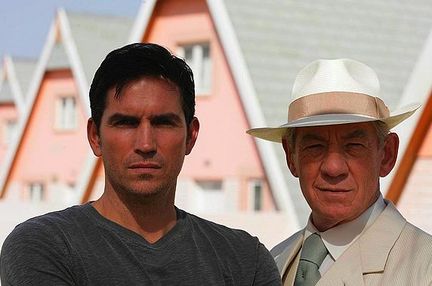 Along the way we’ve had a new TV version with Jim Caviezel, various novels, the Shattered Visage comic books and even a Jack Kirby version. Do you think it’s a hard show to recreate either in a different medium or timeframe?
Yes. Because the original TV was so ambiguous, when you’re creating a new iteration – in whatever medium – you’re also going through a kind of process of interpretation or reinterpretation. I mentioned earlier that the original TV shoe was relevant to – and a product of – its own time, and that’s why new versions that simply take the show and try to graft it unchanged onto a different era are probably doomed to failure.
The Prisoner has a lot of recognisable reference points from the architecture of Portmeirion to penny farthings and human chess games. How difficult was it to regulate how much you brought in to your own story, and equally how important was it for you to bring in your own slant on the material?
The trick is to be sparing so that these images retain their evocative power. They’re important for this story because though creating something new we wanted it to clearly and unashamedly be a Prisoner story, part of a continuum that started way back when that agent woke in the Village to be told. He was Number Six and things like Penny Farthings and Chess and so on are part of the language of The Prisoner.
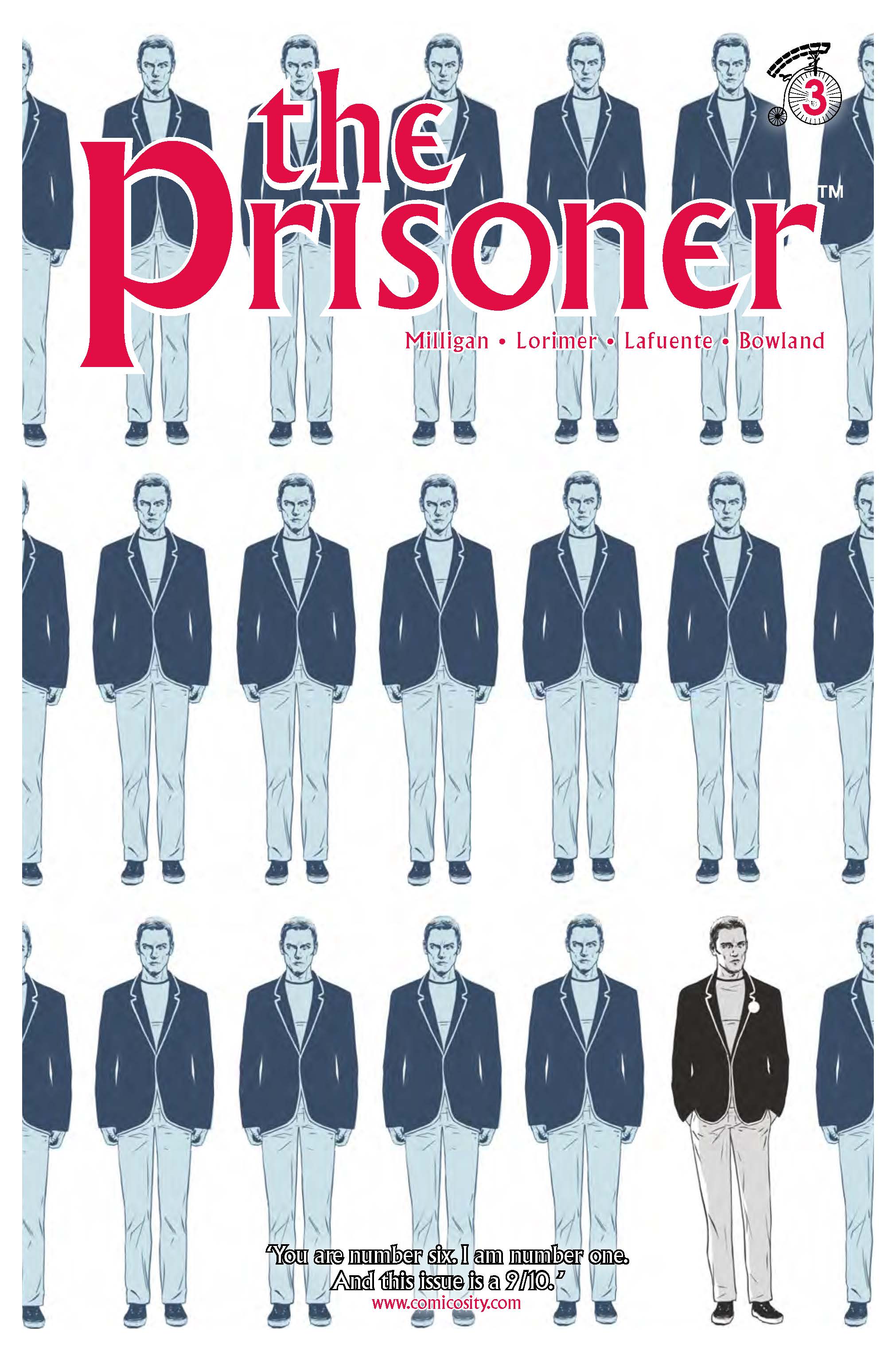 When you write your comic scripts how much freedom do you give to your artist, or are you very clear on what you want? Equally, did Colin (Lorimer) have a clear vision on what he wanted to do? I’m interested in how that collaboration works.
I’m often asked this question – so why, you might ask, haven’t I come up with a devastatingly witty four word reply? Instead, I’ll say what I usually say, it depends on the kind of artist I have. In my script I am always very clear. I write a full script, so it’s a bit like a film shooting script. But if the artist has a better way of visually telling a panel or sequence of panels, and if these changes are about good storytelling I’m more than happy to let him or her go ahead. You’d better address some of this to Colin, but I’m sure he had his own ideas about how the village and some of the characters looked.
Had this story been gestating for some time, with the 50th anniversary giving you the opportunity to make it happen, or did it all come about from the anniversary?
It arose from my meeting with David Leach (Titan Comics editor), maybe the knowledge that the 50th anniversary was coming up was a trigger or inspiration.
 After transmission of series finale Fall Out, McGoohan was allegedly attacked in the street by disgruntled viewers. Please tell me that renders of your series have been positive with their praise?
Yes, mostly all positive. At least, no one’s attacked me in the street. Except that bloke outside the local betting shop – but I think I owed him money.
Do you have other Prisoner stories in you? I’d love to see what happens next in the Breen Chronicles.
Yes, I think I do. I think there’s a pretty good chance we’ll hear more from Agent Breen.
Thank you Peter. Be Seeing You!
The Prisoner: The Uncertainty Machine is released by Titan Books on November 13th
 Doctor Who News Star Trek News
 Sci-Fi Bulletin: Exploring the Universes of SF, Fantasy, Horror and Spy-fi!