Review: The Listener
By Robert McCammon Cemetery Dance, out 27 February Easy money’s never quite as easy as you think it’s going to be – particularly when the children you target for kidnapping […]



By Robert McCammon Cemetery Dance, out 27 February Easy money’s never quite as easy as you think it’s going to be – particularly when the children you target for kidnapping […]
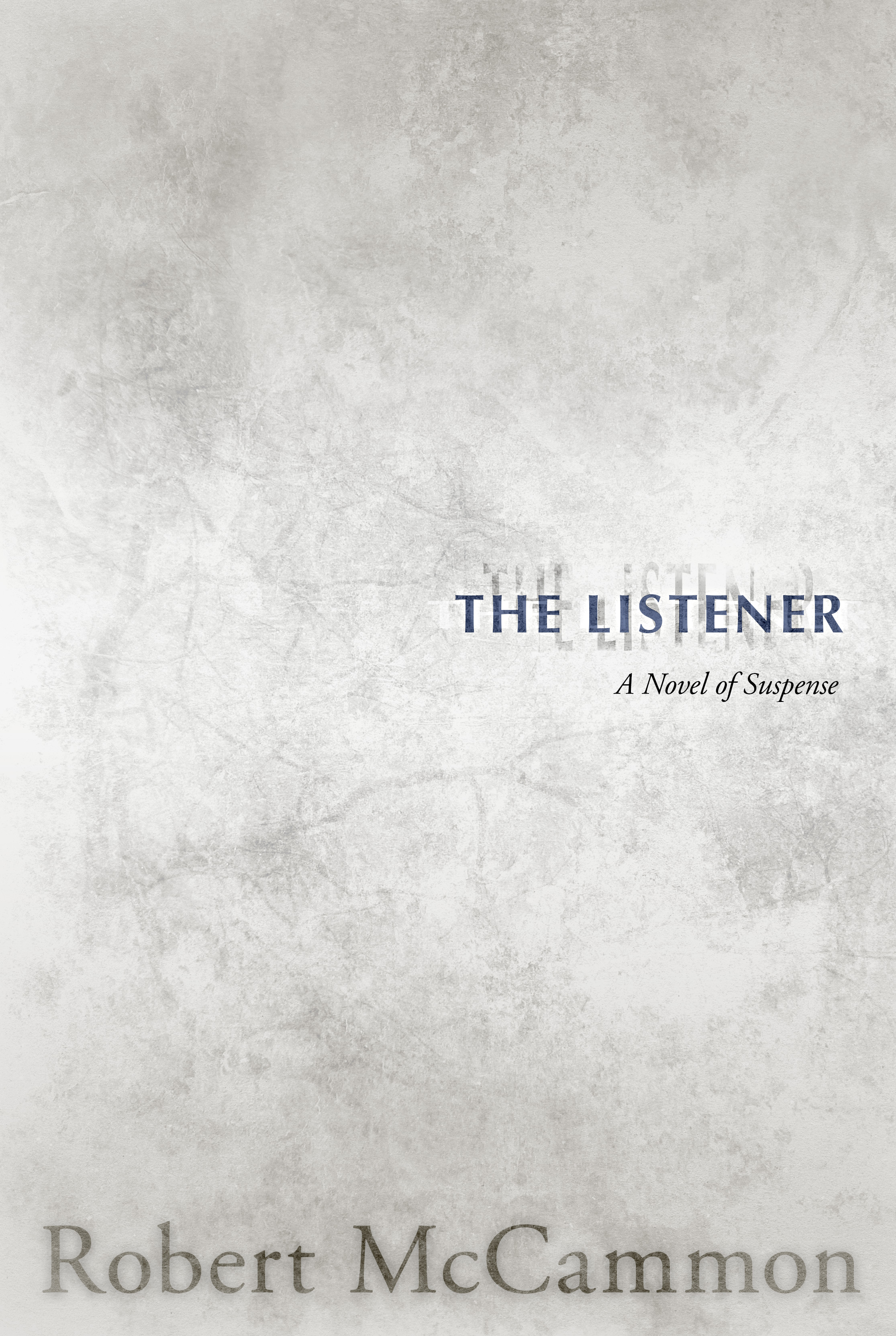 By Robert McCammon
Cemetery Dance, out 27 February
Easy money’s never quite as easy as you think it’s going to be – particularly when the children you target for kidnapping aren’t quite as helpless as you think…
Robert McCammon’s latest novel isn’t as blatantly genre as his non-Matthew Corbett books have been in recent times – both The Five and the Trevor Lawson tales wear their influences more openly – and for a long stretch, you’ll think that he has turned his considerable narrative and character talents to a tale of the Depression and one of the more unusual growth industries of the period.
The first section of this book introduces us to two very unpleasant specimens of humanity – one who establishes his amorality early on by a despicable act that will instantly put him in the negative column for a large majority of the readership, the other whose outlook is as twisted but in a more pernicious way.
Your faith in human nature isn’t going to get a total battering, however, as the second section is focused around Curtis, a young lad in New Orleans who’s holding down a job at the railroad. He’s one of those people who many of us are lucky enough to have in our lives at some point, who’s there to help when needed, sometimes at cost to themselves. We’re then introduced to the family of a local rich businessman, as their lives are about to be torn apart by a kidnapping. Which, as these things do, goes wrong…
The listening aspect of the story comes from a telepathic link shared by some of the characters, but while this is a useful tool to help in the events that follow, it doesn’t actually stop the random cruelty of the time in any way. One of the many strengths of this book is the way in which McCammon brings the world of 1930s New Orleans and its surrounds to life, making you feel the atmosphere at all levels – from the desperation of the penniless conman to the chauffeur-driven lifestyle of the family. McCammon turns up the pace as the story progresses, and you’ll find yourself gripped by the many twists and turns – and the real-life horror at its core.
Verdict: Very different territory for McCammon, but one that – unlike the country he’s depicting – proves very fertile for his brand of suspenseful, taut writing. Recommended. 9/10
Paul Simpson
 Doctor Who News Star Trek News
 Sci-Fi Bulletin: Exploring the Universes of SF, Fantasy, Horror and Spy-fi!