Interview: Richard Chizmar
Hodder’s latest novella from Stephen King is the first of two collaborations the master writer has penned for publication this year (Sleeping Beauties, written with his son Owen, is out […]



Hodder’s latest novella from Stephen King is the first of two collaborations the master writer has penned for publication this year (Sleeping Beauties, written with his son Owen, is out […]
 Hodder’s latest novella from Stephen King is the first of two collaborations the master writer has penned for publication this year (Sleeping Beauties, written with his son Owen, is out in September). For Gwendy’s Button Box, King turned to longtime friend and business associate, author Richard Chizmar, whose Cemetery Dance publishing house has printed special editions of many of King’s work, including Blockade Billy and the recent Six Scary Stories competition winners that King chose (“Steve and I were texting back and forth and he mentioned the contest and how surprised he was the stories were so good, and by the end of the texts we were saying they should all be put in one volume – and next thing you know it was happening,” Chizmar recalls). In January 2017, King sent Chizmar the opening of Gwendy’s Button Box, and asked if he was interested in completing it, which, as Chizmar explained to Paul Simpson, was something of a surprise…
T hank you for Gwendy’s Button Box, which really did feel like a Castle Rock story that had been dug out of the archives.
I appreciate that. That’s what quite a few readers have said – that it felt like an old-fashioned Castle Rock story – and that’s the highest praise we can get because we didn’t purposely try to blend our writing or anything. He thought I was a good fit based on the work of mine that he had read and it was a happy happy accident the way it turned out!
I suspect it’s a bit more than that! You’ve described the process in various interviews – that you had a back and forth on it between you – but how many times did it go back and forward, and were you just dealing with various sections, rather than the whole manuscript?
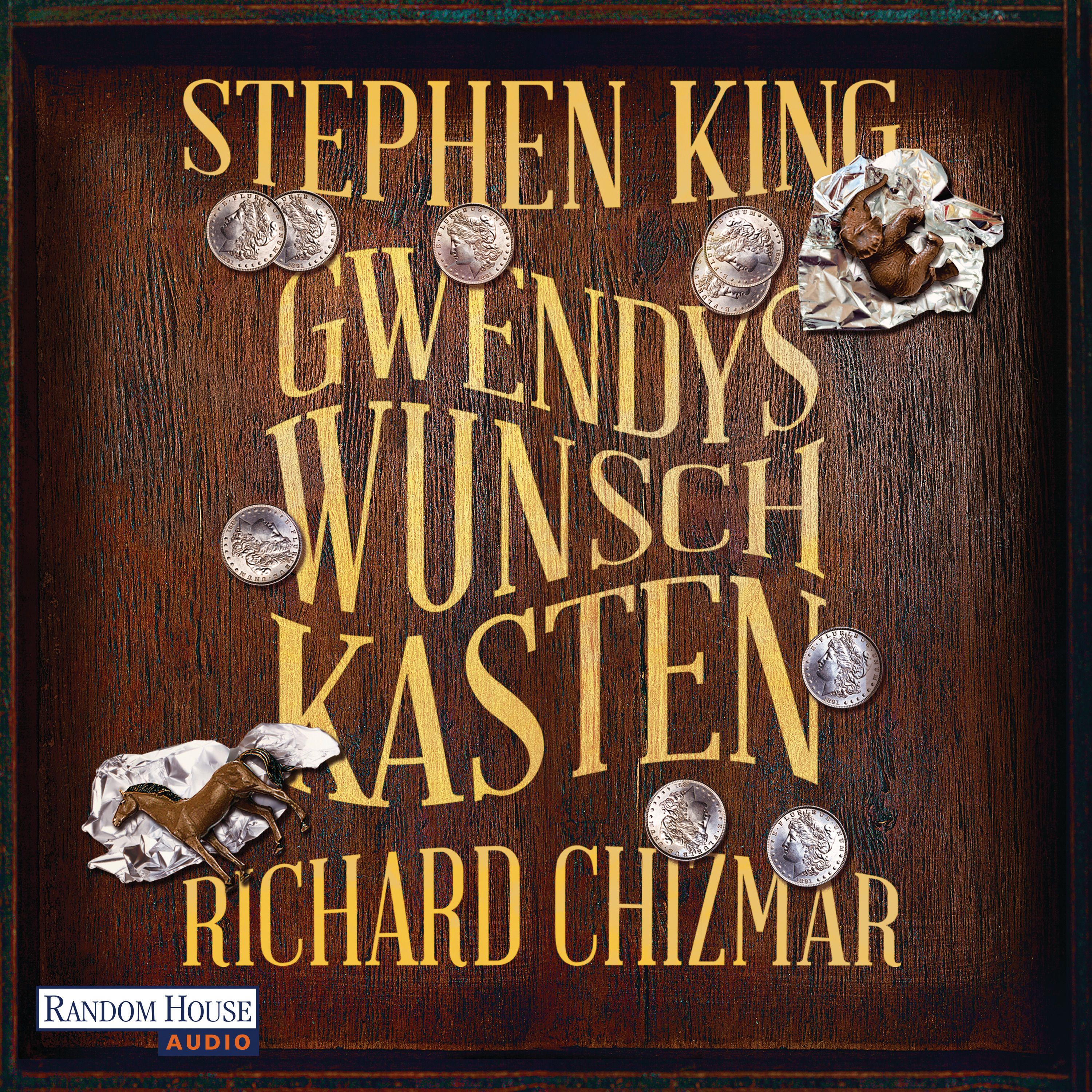 No it was the whole manuscript. Steve sent me the first chunk of pages – 20/25 pages – so I could read it and see if I wanted to continue it, then the next chunk I sent him was probably a good 10,000 more words. At that point, if I look at the total length, well over half, maybe 75%, of the novella, was right there.
That doesn’t mean a whole lot of work wasn’t done on those two sections. Somehow I found the courage to tinker a little bit with his opening section and he tinkered with the second section that I contributed, then I would say we traded it back and forth with much smaller scenes: 1,500 words here, 2,000 words there. I think we did that three times, played ping pong back and forth writing sections. Then we did the same thing: we rewrote each other.
I originally wrote the ending and it was pretty dark. I felt Gwendy definitely deserved a better ending than I originally gave her, and when I sent Steve that section I actually told him so. “I feel Gwendy deserves better than this so feel free to crack it open and do something else.” He wrote me back and said, “You know what? I think you’re right. Let me take a stab at it.” He worked on the ending and sent it to me. I took a free hand and changed some things. The ending of the book is probably the most collaborative in terms of paragraph by paragraph of anywhere else in the book.
That’s a neat thing to look back and realise our handprints are all over the books – we definitely felt free to get in there and change things around – and fortunately the end result is that I kind of look back at it now and there are certain sentences I don’t know which one of us wrote.
You’ve collaborated with other writers before; how was this different, other than it was Stephen King – and did that make much of a difference once you got into the nitty-gritty of the writing?
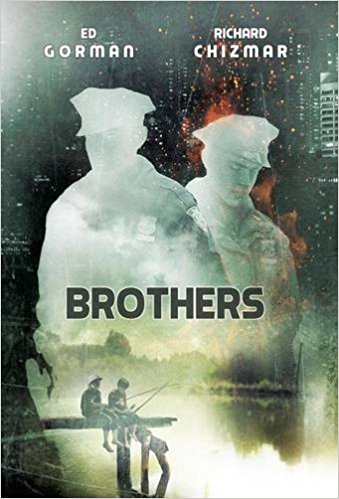 I’ve collaborated with a handful of other people and the only time that I really felt intimidated was working with Ed Gorman because I respected Ed’s work so much. He was so influential in my own writing career, particularly in the early days, so I definitely felt some pressure there – but Ed was such a kind gentle soul that he went out of his way to make you comfortable, and I got over that very quickly. Collaborating with Ed was also something that we talked about very early on, years before we did it, so it wasn’t much of a surprise.
With Steve, it literally happened overnight; never thought about it, never dreamed it, and the next thing you know I was doing it. On the one hand, that was nice because there was no build-up pressure – it all came at once and it was absolutely terrifying. People think I’m joking when I say that I got the manuscript on a Friday and we agreed to collaborate that evening, and I spent that evening in mild terror. I was thinking, “What have I done? He is probably going to change his mind by the time the weekend’s over and that’s probably not a bad thing”, and then I sat down Monday to write some notes in a notebook and I realised my hand was shaking. I thought, “Rich this is crazy, you can’t do this.” So I just opened my laptop and started writing, and it was wonderful because about 20 minutes later I was in Castle Rock and I was completely immersed in this story. All the nerves just disappeared; I was just writing.
I think I sent him the next 10,000 words within three days. There was a little flicker of that anxiousness before I sent it – “maybe I should go over it one more time” – and then almost 30 years of experience tapped me on the back and said, “Hey if you don’t send it to him now, you might never send it.” So I pressed send, and Steve was very kind.
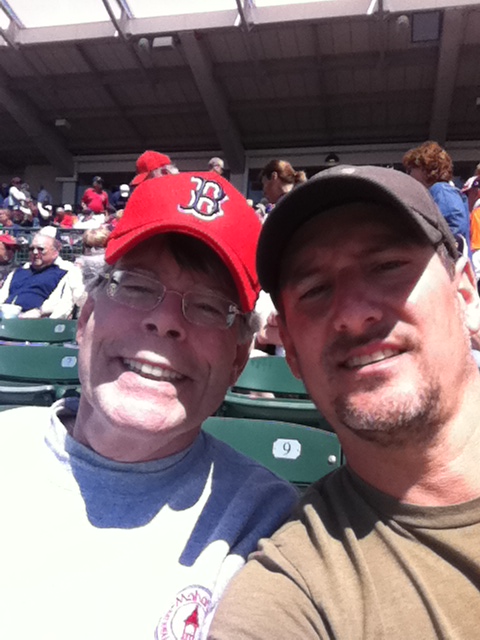 The nice thing about Steve and I is we are very honest with each other, so we were able to say, “Hey I like this better, what about that bit?” And despite the fact that he is a mega-bestselling legendary writer and I am definitely not, it really was an even playing field, and once we got into the writing it was just two writers having fun together.
At the end of the day, he still puts his pants on one leg at a time in the morning…
Absolutely – and he would want it no other way. That’s the nature of the guy. He’s very smart, very funny and very generous. The whole thing was just fun.
People say, “How would you sum it all up?” And I just say, “It was fun”, and at this stage of the game, that’s a gift, to look back on a writing experience and say, “Boy what fun I had”. All the rest of this has just been a bonus.
How different was the actual writing process for you – were you approaching it differently because you were starting from somebody else’s start point or was it the way you usually tell a tale?
 It really was the way I usually do it. It all happened so quickly that I really never stopped and thought, “Why me? Do I have to do anything differently?” I realised it was a big challenge and you talk about having to rise to the occasion but that never broke down into the nuts and bolts of the writing. It was just a bigger umbrella that was opened up over the whole thing.
In a strange way, I never thought “Okay, I have to sound like Stephen King, I have to write like Stephen King”, anything like that. I just thought, “I have to write a good story here”. When I sat down and started that next section I just wrote it as myself.
Later is when the big question of, “Whoa, how did Steve know this would work? Why did Steve think would work?” came up. We were doing a joint phone interview recording for the Simon and Schuster audio version of Gwendy and the very nice lady who was coordinating it asked Steve the question that hadn’t occurred to me until then – and then it did in big neon letters: “How did you know it was going to work?”
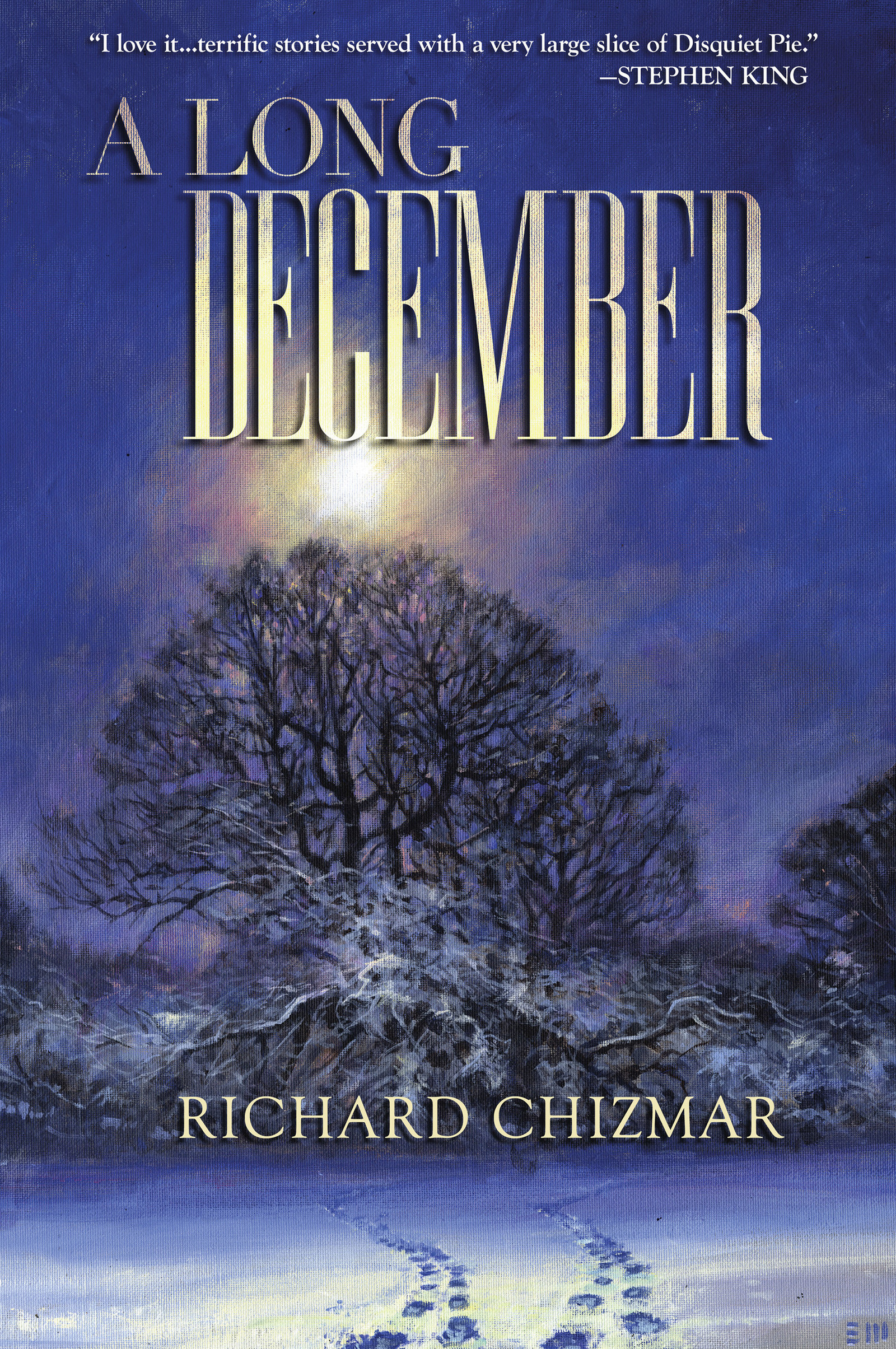
Steve’s answer was, “I’ve read many of Rich’s stories and enjoyed them but I’d just finished reading the title novella of the last collection, A Long December, and as soon as I finished that, I knew it would work. I knew we had the same sensibilities: we focus on characters, we focus on very straightforward narrative prose that moves the story forward, we don’t get bogged down in too much flowery language and all that. We’re just storytellers.” I was sitting on the other end of the phone extremely grateful and humbled, but also thinking to myself, “So that’s why he knew it would be okay”.
It’s interesting to look back and realise that here I am, just happy to be along for the ride and never once stopped and thought, “Why does the big guy think this is going to work?” I just sat down and did the work and fortunately our voices combined into this young girl’s voice and told this story.
On your own material, do you start from a character, or a plot, or an incident happening to a character?
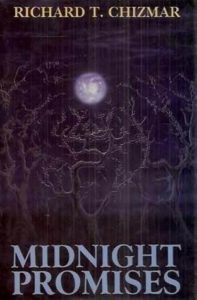 It usually depends on the story but as often as not it’s the character and/or a moment in that character’s life that I want to write about. I don’t usually start with having all the answers as to what comes before and what comes after.
I’m writing a story today – I just started this the other day and I have to turn it in by tonight – and I told the editor it should be about 3,000 words. At some point yesterday. while the rest of my family was downstairs celebrating 4th July in the backyard and I was tucked away upstairs writing, I realised that I had already hit the 3,300 mark and there was still quite a bit of the story left to tell – and I still had no idea what the ending was. Usually I’m fine with that but I think because I’m up against the deadline of tonight, I did not sleep very well because I’m thinking “How am I going to end it?” [Spoiler alert – Rich did finish it!]
Usually I’m in the character’s head and there’s a moment that’s going to start the story off; if I’m lucky it’s the last scene and I just have to fill in the rest, but usually I get in that character’s head so far that I follow along with him or her and take them where they go. I think I’ve just figured out the ending to this story in the past hour but we’ll see!
 You’ve had a long history with Stephen King – what attracted you to his writing in the first place?
Probably what I just mentioned that my own writing has focused on, which was well before I knew I was going to be a writer.
I read quite a bit early on. I grew up in a family of readers, so we were always at the library, and I was always cruising to the bookstore and leafing through books and magazines and deciding what I wanted to take home. When I read Steve’s work there was this instant connection: he’s writing about people that I know, people next door. That accessibility for me led to believability: he was able to scare me easier, he was able to make me think more than some other authors, he was able to make me wonder – all those good things that good writing does for a reader. I think there was that instant connection, and then at some point when I was in high school, it made me realise that I wanted to do this too, because what he did to me as a reader, the experiences that he put me through, was something I would like to do to other people.
I think that’s probably the clearest answer I can give. Beyond that I always felt that he worked on a lot of levels – his prose is basic and straightforward. You don’t have to stop and grab the dictionary, which again as I’ve grown as a writer I’ve realised is a positive thing as far as being a storyteller is concerned. You don’t want to take readers out of the story, you don’t want them to stop and return to real life; you want to keep them captured in your world. But as a young writer, you’re thinking otherwise, you’re thinking, “I want to sound smart and impress people”. Once you get past that stage, you find the tools to be a writer.
For me he always had that magical ability to take me somewhere else. It wasn’t always somewhere I wanted to be but there was so much heart in the storytelling, whether it was a minor character, or major characters, that I always felt it was more than just about the boogeyman in the closet. There was a lot about humanity in there and a lot of wisdom about people.
 It’s incredible – he’s been producing stories for print for over 45 years now and the hit rate is so high across the board.
Because I’ve had a business relationship with Steve as far as publishing and then a friendship and then a collaboration here, I’ve really been able to see – and I’ve seen this for decades now – here you really have someone who financially does not need to put pen to paper ever again; who is now, I believe 69 years old; who for a very long time has been turning out so many words, and he really does do it for the joy. He’s someone who has a great time writing.
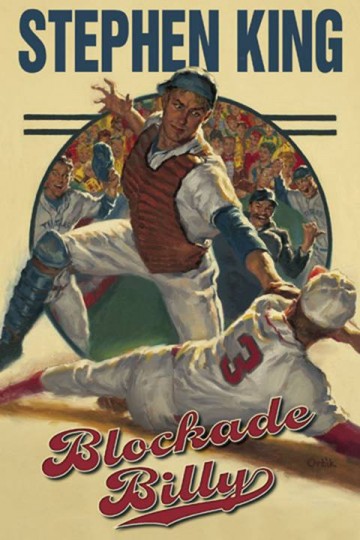
Even though he’s not very heavy-handed or involved in the publishing aspects of the book, when he has a good idea, like including the baseball cards for Blockade Billy, that type of thing, he really does revel in it and have a lot of fun. Blockade Billy was just like two kids having fun and building this book in a unique way. Before Gwendy, when people always asked what was my favourite book to work on, I’d say Blockade Billy because I got to see Steve really excited and really happy. It was such a cool thing to see – this guy who was such a veteran of the field taking such joy in crafting this book. I didn’t know him when he was in his 20s and 30s; I’ve known him in the second half of his career, and he’s someone who does love what he’s doing and does it for the love.
The illustrations for Gwendy – both the cover and the interior artwork – are really evocative!
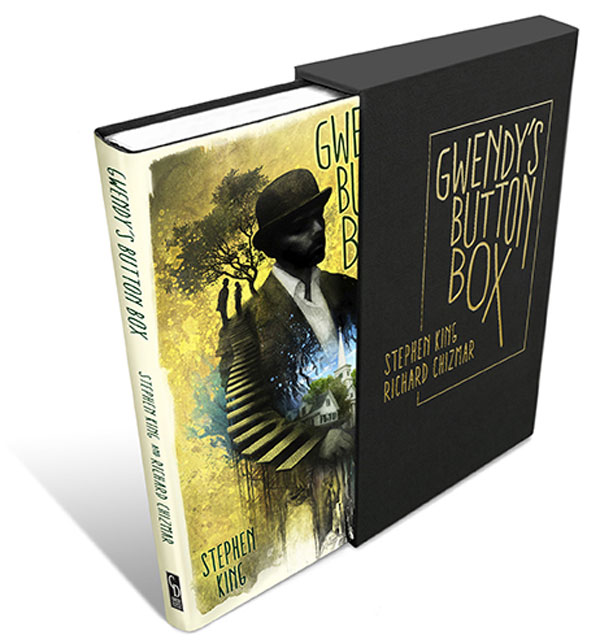
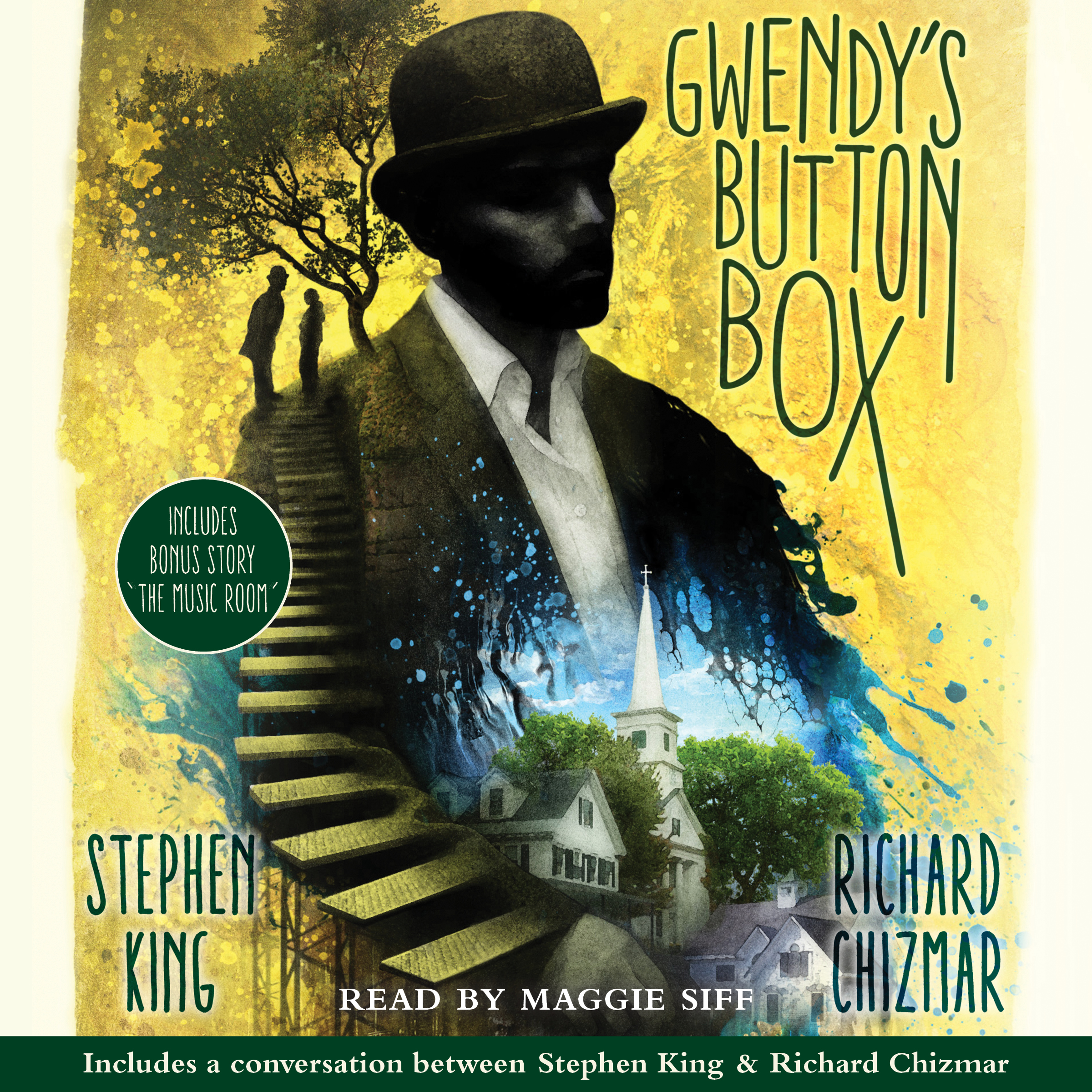 I’ve admired Ben Baldwin’s work ever since he rose up in the smaller presses and started doing some covers for the larger presses. He did the cover for the trade paperback of my last collection and I immediately wanted him to illustrate Gwendy. We were working on such a tight deadline to get it published: we wanted to have it published it quickly in the spring because of Steve’s big collaborative book with Owen in the fall and we didn’t want anything to get in the way of that. When I contacted Ben initially I had just a handful of images, I didn’t have the manuscript yet because we were still doing final edits. I told him, “You’re going to have the manuscript very soon but in the meantime, we’ve got these metal stairways and here’s a couple of pages that describe them; we have this mysterious man in the bowler hat; we have this little girl she’s 12 at the time, and it takes place in the town of Castle Rock which is like the quintessential New England town.”
Before we even got him the final manuscript Ben sent us essentially what you see as the cover; he sent it with a couple of different colour schemes and we ended up picking the yellowish ones. I was amazed: I thought this was perfect. The ironic thing is I’ve always thought if I ever have that one book that sells all the over the world one of the neatest things is going to be able to lay them out across the table and look at all the different dust jackets. Because our cover is so suitable for the book and such a nice piece of work from Ben, at least half [of the other editions] are going to use the same cover. And it’s completely understandable – I’m tickled to death and hope it’s going to sell a bunch of books for them but it is just ironic. I love seeing all the different Stephen King covers, but that won’t be the case.
 Then as far as the interiors, I just thought of Keith Minion. I’ve worked with Keith for something like 20 years on various book and Cemetery Dance magazine illustrations. For this book we needed someone with a really simple, crisp, professional, evocative style to capture the Americana of the story. Keith was the first person I thought of. His black and whites could have been in the old Parade magazines. He was the perfect fit.
It’s a strong story that’s presented really well.
I think because it was such a quick project, everyone stood back, took a big breath of relief that it turned out so well – not that we would ever shove something through so quickly that it would be a shoddy production, but, coming off what you just said, you look at it and go, “This is one of the prettiest books we’ve ever done.” It’s nice when readers recognise that. Most of our longtime readers do, but this book has obviously reached a lot of people who didn’t know us beforehand and it’s very rewarding when they comment on the design or the illustrations or the pieces of spot art. It makes you realise that it’s definitely worth the extra effort to do these things.
Gwendy’s Button Box is available from Hodder in the UK, and from Cemetery Dance in the US; read our review here
 Doctor Who News Star Trek News
 Sci-Fi Bulletin: Exploring the Universes of SF, Fantasy, Horror and Spy-fi!