Interview: Frances Hardinge
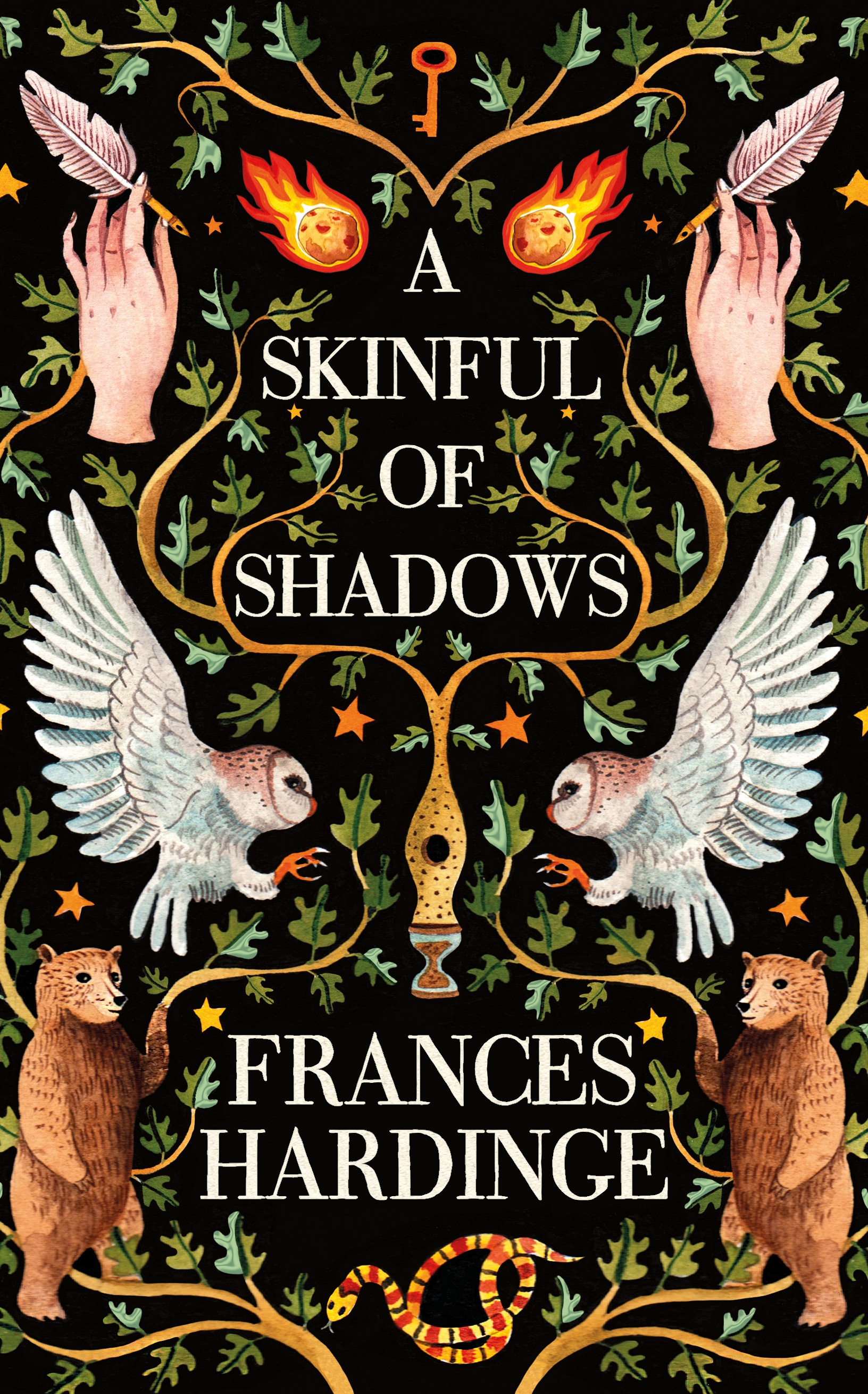
Costa Books Award winner Frances Hardinge’s new novel A Skinful of Shadows is published this week, and features a very different take on the ghostly realm, alongside an unusual location […]



Costa Books Award winner Frances Hardinge’s new novel A Skinful of Shadows is published this week, and features a very different take on the ghostly realm, alongside an unusual location […]
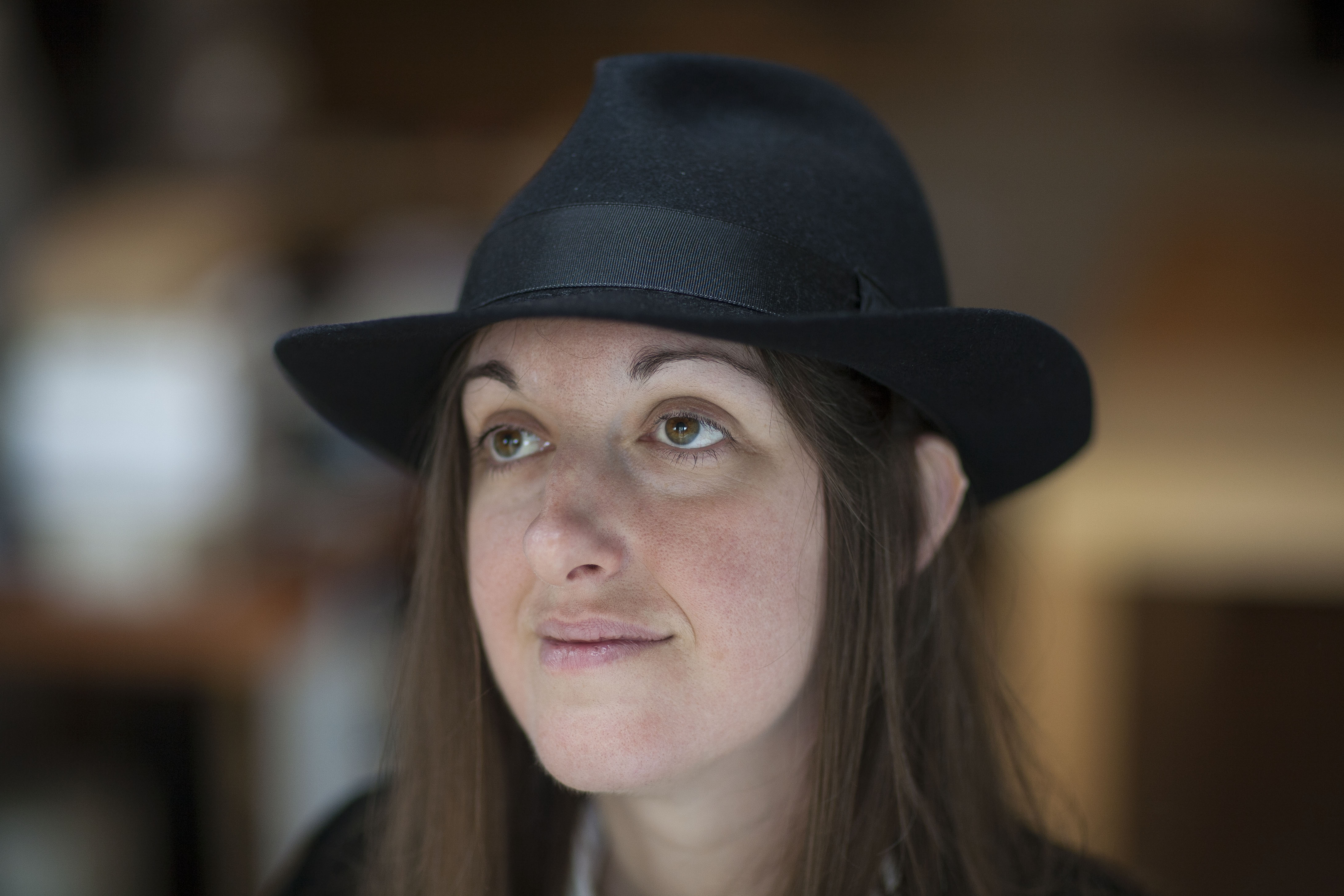 Costa Books Award winner Frances Hardinge’s new novel A Skinful of Shadows is published this week, and features a very different take on the ghostly realm, alongside an unusual location – the English Civil War. Paul Simpson took the opportunity to ask her about all of the story’s roots…
How much of an interest did you have in the period in which the book’s set prior to working on it – was there a specific trigger for setting it then?
 I’m always interested in periods of sudden change, aftermath or revolution, when everybody’s understanding of the world is turned upside-down. Not only do they throw up interesting events, it’s interesting to write about characters stretched and tested by that kind of change and upheaval. The English Civil War was a period of change in every respect. At the time a lot of people talked about ‘a world turned upside-down’, and some even thought that a Biblical end of days was upon them.
The Civil War seemed like a good setting for A Skinful of Shadows because its young, beleaguered heroine is pitted against enemies who are very powerful, very rich, and very, very old. Their centuries of experience give them many advantages, but a few disadvantages too – complacency and unwillingness to change. They assume this new war is like other conflicts they’ve survived before, and don’t realise that they’re facing something new. They’re very formidable, but they’re chasing a girl they’ve underestimated through a war they’ve misunderstood.
The period detail is very convincing – dealing with both the royalists and the roundheads, as well as all those caught in between. What sources did you use to immerse yourself in the period, and in the thought patterns of the people, particularly with regard to their superstitions?
 I read a lot of books on the period, the most useful being The English Civil War: A People’s History, which is brilliant at bringing out the human angle, and giving a real sense of context. The manor at Grizehayes owes a certain amount to some rather splendid stately homes I visited, including Ham House, Haddon Hall, Bolsover Castle and Chastleton House. (Chastleton House really does have a secret room in which the Royalist house-owner hid when Parliamentarian troops came to search for him. His wife welcomed the enemy soldiers, then gave them laudanum-laced beer, so that her husband could escape once they were all asleep.)
I learnt about old superstitions from many sources, but one of the most entertaining was a 17th century book by Sir Thomas Browne called Pseudodoxia Epidemica. It’s a book investigating and debunking lots of common or traditional beliefs, which means that it’s also a lovely list of old superstitions. Some of them are marvellous. Dead kingfishers can be used as weathervanes! If a wolf sees you before you see it, you will be struck dumb! Toads have precious stones in their heads! There’s also a very weird old belief about beavers…
 What discovery about the period surprised you most?
There are lots of random details that were new to me. I’d never heard of ‘turnspit dogs’, a now lost breed of kitchen dog that were made to run in little wheels, which would in turn revolve the big cooking spits. I learnt new things about seventeenth century espionage – using artichoke juice as invisible ink, and cunning ways of hiding messages inside apparently unbroken eggs.
But in broader terms, I hadn’t realised how many ways there were to die in the civil war without stepping onto a major battlefield. When your neighbours were the enemy, every hedgerow could be an ambush point, every lane could host a skirmish. On top of that, there were the food shortages cause by fields left untilled, soldiers left unpaid, pillaged homesteads and forced billets. There were the diseases contracted by troops camping in terrible conditions, which then spread to towns and villages. The civil war wasn’t just a neat list of battles in an otherwise untouched country. It raged everywhere in a hundred forms.
 Witches are meant to “hear voices” traditionally, but this takes that idea into a new realm: was there a particular incident in the book that came to mind when you came up with the idea, or did you build the characters and the plot around the idea?
Book concepts are usually the result of a lot of half-formed ideas coming together, and it’s often hard to remember which preceded the others. However, the idea of a vengeful ghost bear had been lurking at the back of my mind for a long while. Hearing about the way dancing bears have been treated in past centuries made me very angry, so I liked the concept of a spectral bear, unshackled at last, coming back for vengeance. I imagined it finding an unexpected rapport with a young girl, the first human to be truly angry on its behalf. I knew that they would form a strong bond… but the nature of that bond only became clear to me once I had come up with the Fellmotte family’s eerie ‘gift’.
You’ve said you don’t believe that resolution is a natural state for an environment, and there are plenty of questions left at the end of this. Will we see these characters again? Or others who experience similar things?
While these characters could in theory have more adventures, A Skinful of Shadows was intended as a standalone. By the end of each book I try to make sure that the main story arc is resolved, but that there’s still a sense that the characters will go on to face new challenges and experiences. The protagonists of my books are young, so I like to give a feeling that their potential has been unlocked, rather than resolved.
Thanks to Beatrice Cross for her assistance in arranging this interview; author photo (c) David Levenson
 Doctor Who News Star Trek News
 Sci-Fi Bulletin: Exploring the Universes of SF, Fantasy, Horror and Spy-fi!