Feature: Building Windows
Alex White was born and raised in the American south. He takes photos, writes music and spends hours on YouTube watching other people blacksmith. He values challenging and subversive writing, […]



Alex White was born and raised in the American south. He takes photos, writes music and spends hours on YouTube watching other people blacksmith. He values challenging and subversive writing, […]
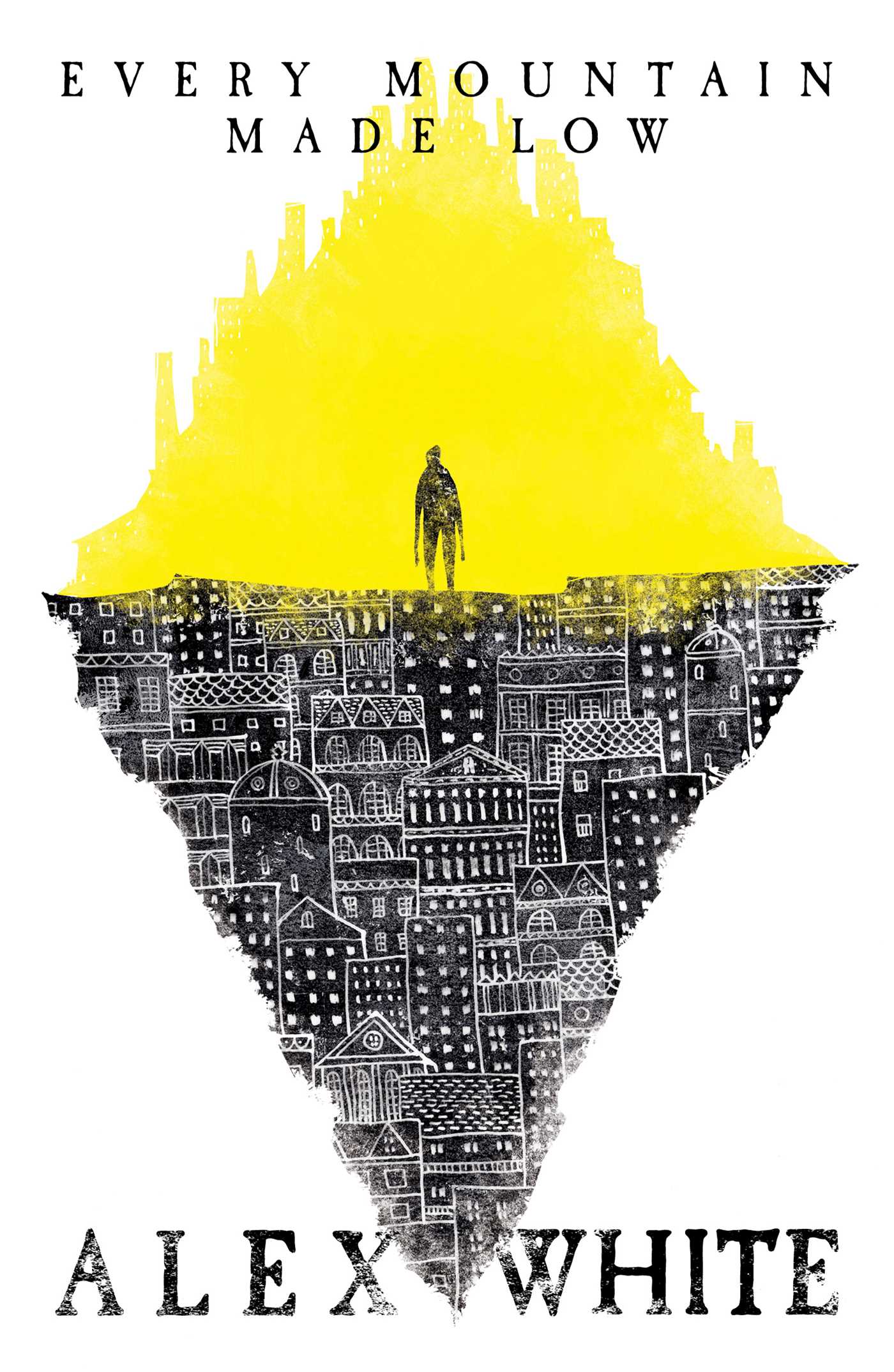 Alex White was born and raised in the American south. He takes photos, writes music and spends hours on YouTube watching other people blacksmith. He values challenging and subversive writing, but he’ll settle for a good time. In the shadow of rockets in Huntsville, Alabama, Alex lives and works as an experience designer with his wife, son, two dogs and a cat named Grim. Favored past times include Legos and racecars. He takes his whiskey neat and his espresso black. His debut novel Every Mountain Made Low has just been published by Solaris and here he answers one of the fundamental questions many writers are asked:
a
a
Why do we write worlds?
Stripped of their speculative elements, most stories can be told in any setting with a few flavor changes. In fact, there’s a booming theater industry in stripping the paint off a bit of Shakespeare and reskinning it for a modern age. Almost every science fiction or fantasy piece could be reframed or retold in such a way as to obviate the setting.
We could rewrite Lord of the Rings to be the story of a couple of kids from a minor street gang, trying to satisfy the whims of a drug dealer in the most dangerous part of town. Star Wars doesn’t need the Jedi to function. At its core, it’s the story of a farmboy who goes off to war and discovers that inner peace is more important than adventure. We could set that entire trilogy in World War I, with the Stormtroopers as literal Stormtroopers, and with the Germans developing the deadliest field gun of all time. There’s no reason it must be in space.
 Writing worlds is time consuming and difficult. So why do we do it? What is the effect it has on our readers?
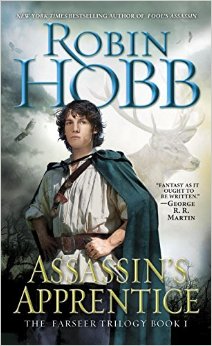
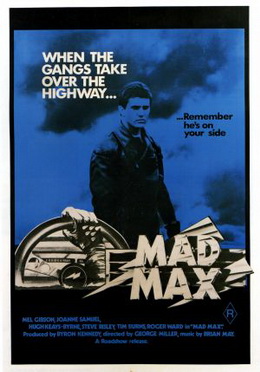
No doubt many folks are already bristling at my ghastly mischaracterization of Star Wars, and for that I apologize, but I think the thesis is sound: we build worlds for the emotional journey we intend. Let me take two extreme examples, one from literature and one from film. I want to compare the relative effects of Robin Hobb’s The Assassin’s Apprentice and George Miller’s Mad Max. Both of them expertly use their worlds as manipulative devices, but to greatly differing results.
The world of The Assassin’s Apprentice is one of epic fantasy, with far-reaching implications for every character within the setting. Over the course of many pages, we come to understand the meanings of various characters’ actions, and how they were affected by events unfolding long before their own lifetimes. Hobb goes into some fairly extensive details, from the life of a youthful bastard, to their naming conventions, to the inner workings of the Skill (basically magic).
Let’s contrast that with the worldbuilding of Mad Max. As characters’ lives and symbolism go, there’s plenty of worldbuilding, but almost none of it is explicit exposition. In Miller’s most verbose films, we get a title card explaining that the world is screwed, but about five seconds of watching the screen would’ve told you that much.
So what’s the difference?
 In The Assassin’s Apprentice, you can find a place for yourself, a peculiar nook to call your own. The society of Buck Keep is so thoroughly detailed that you can imagine a life there, and the choices you might make become part of the story. Would you have the Skill? Would you be a royal or a commoner? It’s the kind of world you can explore for days without necessarily adding to the plot.
By contrast, Mad Max is a tale of immediacy. The kinds of dilemmas we face as viewers aren’t “where would I live” but “what would I do?” There’s a universality to the plot that wouldn’t be well-supported by establishing an elaborate set of castes and racial boundaries, aside from the ones that already exist.
In the end, I’m not here to advise writers to go one way or the other with their exposition. Certainly, the exposition of my debut, Every Mountain Made Low, is sparse, and I’m glad of it. But I’ve written other stories where the exposition is a key factor in the emotional journey. I want writers to be armed with the effects of their choices and plow forward with the sound knowledge that their level of exposition supports the story they want to tell. Whether you aim to create a tight narrative around a select few characters or create a world in which the reader could live, I want to help you build that window.
Every Mountain Made Low is available now from Solaris
 Doctor Who News Star Trek News
 Sci-Fi Bulletin: Exploring the Universes of SF, Fantasy, Horror and Spy-fi!