The Unquenchable Thirst of Dracula: Interview: Mark Gatiss
For Halloween this year, Radio 4 is turning to the masters of horror for a new 90 minute play – with horror expert Mark Gatiss co-writing and directing an adaptation […]



For Halloween this year, Radio 4 is turning to the masters of horror for a new 90 minute play – with horror expert Mark Gatiss co-writing and directing an adaptation […]
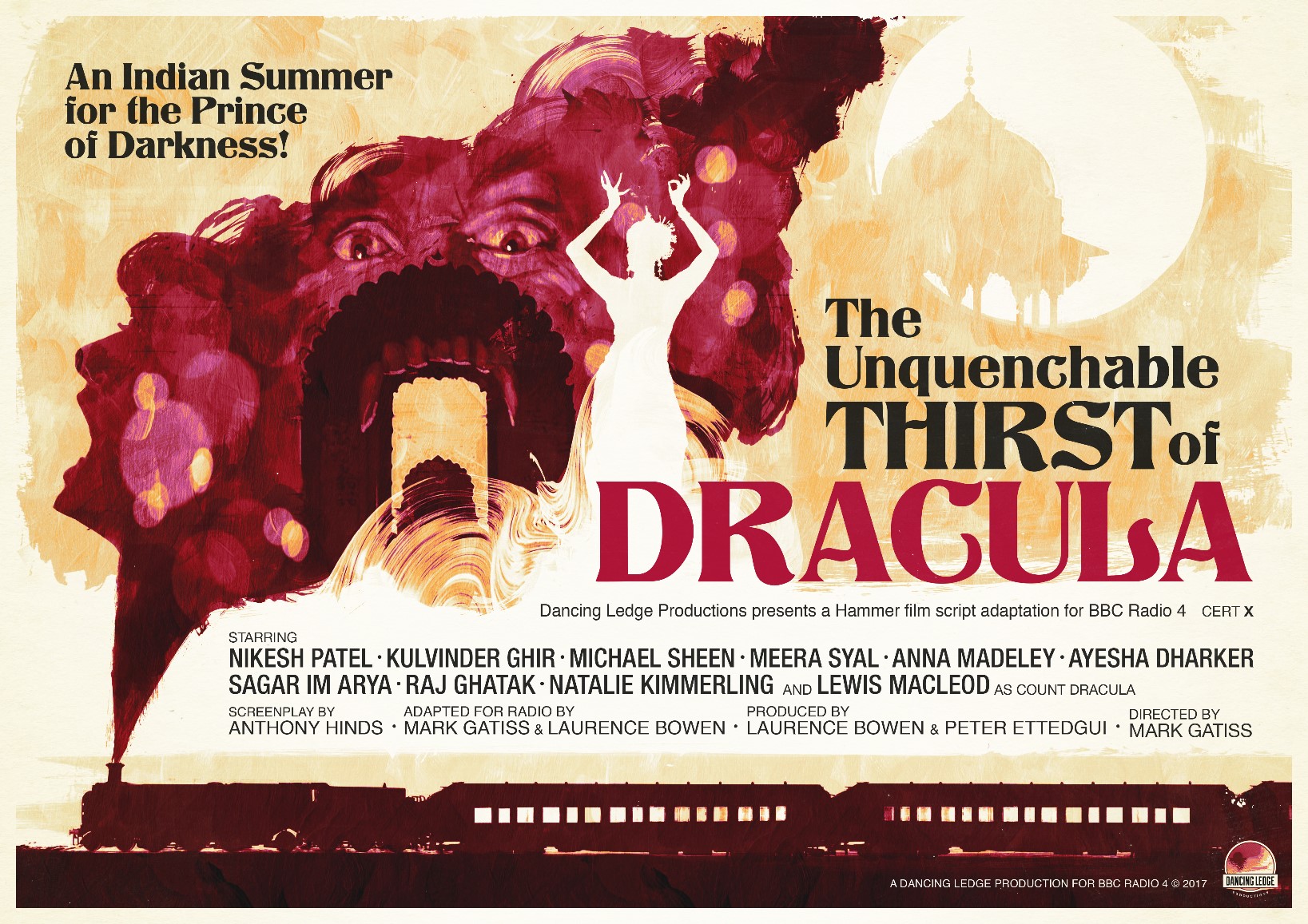
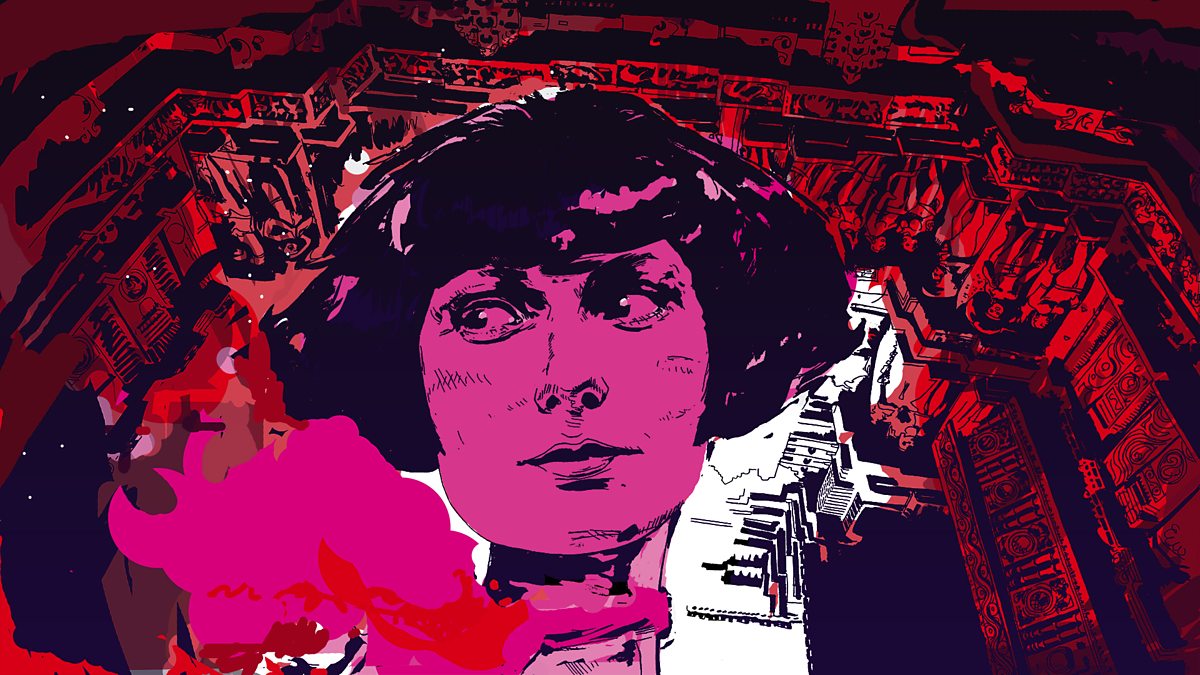 For Halloween this year, Radio 4 is turning to the masters of horror for a new 90 minute play – with horror expert Mark Gatiss co-writing and directing an adaptation of Anthony Hinds’ lost script for The Unquenchable Thirst of Dracula, a missing tale set in 1934 that takes the Count to India. Gatiss took time out amid filming the reunion episodes of The League of Gentlemen to answer questions from Paul Simpson…
When did you first learn of this unmade script? And what prompted you to do this version?
In 2015, my old friend Jonathan Rigby asked me if I’d act in a reading of the script for the ‘Mayhem’ film festival. I wasn’t free unfortunately but I read ‘Unquenchable’ and loved it. Last year I completed and directed a lost Hitchock movie, ‘The Blind Man’ for Radio 4 so when the producers Laurence Bowen and Peter Ettedgui were looking for more ‘lost’ scripts I said, “I know a corker!”
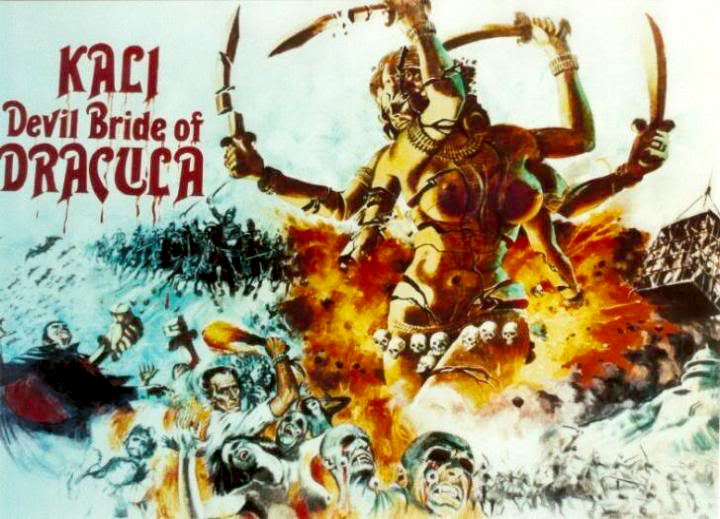
It’s a very literate and atmospheric script which wasn’t true of all Hammer scripts at the time! I used to have that lovely book on Hammer which had posters at the back for films that had never seen production – like ‘The Savage Jackboot’ and ‘Zeppelins vs Pterodactyls’ so I may have seen ‘Khali – Devil Bride of Dracula (a later version of this script) somewhere in the mix.
 Presumably elements of the screenplay might well have changed thanks to filming requirements had it gone into production; have you stayed completely faithful to the script as it exists, or did you feel you could make changes (and if so, what changed)?
We’ve made minor changes – mostly cuts, sadly – and obviously to make it work on radio certain very visual things have had to be spelled out. But Michael Sheen’s narration is pretty much what is there on the page.
There are sections of the plot that feel very reminiscent of Indiana Jones and the Temple of Doom (which I personally love as a movie despite its flaws), and it’s set just a year earlier – what do you think it is about this particular era of Indian history that attracted the writers?
I believe Anthony Hinds knew India well which is why the script has a very authentic and unpatronising feel. It’s not at all the version of India you might perhaps expect from a British film of the period. I think the setting just has an obvious appeal to film makers. The end of the Raj, an exhilaratingly different culture full of colour and danger and life. As we know, Hammer were desperately trying to transfuse new life into their horror films and this would have been a very interesting step. It found its full flowering, really, in Legend of the Seven Golden Vampires a few years later when they upped sticks to Hong Kong! (By the way, I think Temple of Doom barring the tremendous opening, is an awful film!)
And did it present particular problems to you as director?
I was very excited by the idea of having an almost entirely Indian cast. Again, it makes the project feel at once familiar (a Hammer horror) but very different. I suppose, in reality, if the film had been made then a lot of white actors might have been used as was the norm at the time. I’m sure John Bennett would have been drafted in as the evil Maharajah!
 Michael Sheen’s narration is brilliantly done: how much of that is drawn directly from the stage directions within the script? It feels as if the early sections are quite objective, but as the story progresses and we become more engaged with all the characters, so it becomes more subjective.
As I say, it’s very close to what Hinds wrote. I asked Michael to do ‘a bit of a Burton’ on it! He’s a very old friend and knew exactly how to pitch it. To me the key is to enjoy it but to do it absolutely straight. I hate it when people assume that Hammer is all campy. Obviously, there are certain degrees of camp present over the years – Dracula AD 1972 being one of my favourites! – but people forget how thrillingly scary and popular these films were.
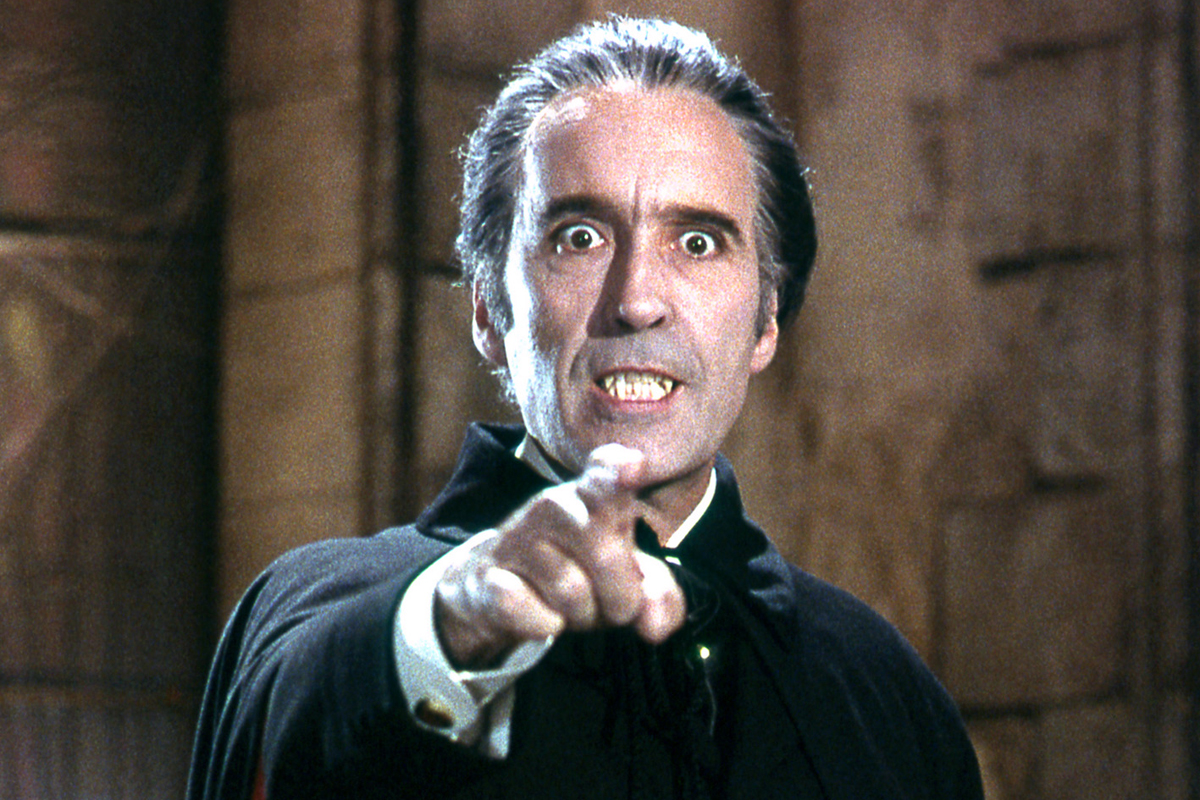
You’ve played the Count yourself on audio for the Big Finish version; did that experience give you a different perspective on adapting the script, or were you very much focusing on this being Christopher Lee’s interpretation?
 Very much the Lee version. Of course, the besetting problem at this stage in Hammer’s history is that the Count is hardly in the films! They spend ages resurrecting him only to bump him off again. I asked Lewis MacLeod to channel Christopher Lee without quite ‘doing him’.
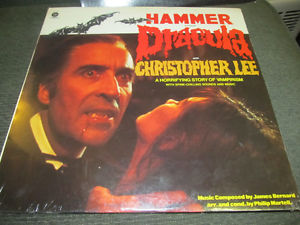
I suppose in my imagined movie version, Christopher Lee might have bailed on this one to be replaced by John Forbes-Robertson or someone! I think the thing I most had in mind was that wonderful LP Hammer released with Christopher Lee telling a new Dracula story. I borrowed a copy from my cousin Harold when I was about eight and it scared the life out of me.
 What were the biggest challenges you faced directing this?
It took quite a long time to get going – the train journey, though atmospheric isn’t very packed with incident so, although we recorded what was in the script, I did trim it later to get on with the vampire action. It was tremendous fun to direct and everyone really got into the spirit without, as I say, camping it up. There was one scene where everyone got a bit hysterical as it suddenly seemed to be full of double entendres. I pressed the talkback and said ‘This is Hammer, you know, not Carry On!” Which gave me another idea altogether!
I love Blair Mowat’s score – how did you come to choose him, and what instructions did you give him? Were there particular Hammer scores that you wanted this to emulate?
Blair did the score for ‘The Blind Man’ last year and brilliantly channelled Bernard Herrmann. I knew I wanted a very authentic James Bernard-esque score – those wonderfully shrill, constantly rising keys etc – and Blair came up trumps again. I asked him to ‘spell out’ the main title – as James Bernard used to do – but also to create some genuine sitar and tabla music which works beautifully. I knew James Bernard a little and I hope he would have been pleased at the result.
 What element of the finished product are you proudest of?
There’s a particular moment when Dracula is approaching his victim and the combination of Blair’s score, Michael’s narration and the atmosphere of the scene just feels pure Hammer. It gives me a little thrill, as if I were watching on a Friday night all those years ago..
And finally – what other unmade Hammer screenplays would you like to give this treatment to?
What have you got!?
The Unquenchable Thirst of Dracula is on BBC Radio 4 on October 28 at 2.30 pm and then on iPlayer
Thanks to Isobel Pyrke for her help in organising this interview
 Doctor Who News Star Trek News
 Sci-Fi Bulletin: Exploring the Universes of SF, Fantasy, Horror and Spy-fi!