The Designated Mourner: Review
Gideon Media, available on all platforms now As a country falls victim to fascism, the downfall is charted through the memories of three characters. In many ways, that’s a very […]



Gideon Media, available on all platforms now As a country falls victim to fascism, the downfall is charted through the memories of three characters. In many ways, that’s a very […]
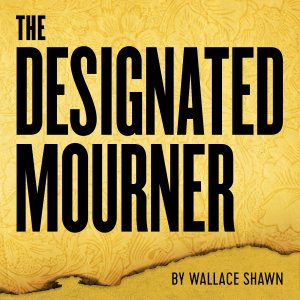 Gideon Media, available on all platforms now
As a country falls victim to fascism, the downfall is charted through the memories of three characters.
In many ways, that’s a very facile way of describing Wallace Shawn’s play – which first appeared in 1996, and was filmed by David Hare the following year. At the time its description – which you learn as much about almost by osmosis as you do direct commentary in the play itself – of a society that falls into a dictatorship and the effect it has on three characters seemed almost fantasy. Yet when the play was revived in 2016, and now in the age of Trump (and no one can really say we’re out of that yet – the effects of that mindset, both in America and the rest of the world, are still being felt) it feels all too prescient.
The Gideon Media presentation as a six-episode podcast – most lasting around 25 minutes each including top and tail credits – is pretty much a straight rendition of the play (a critic of the film at the time noted that it would work better in this format than as a movie, and he was right) with the inevitable tweaks that any writer will make given the opportunity. Jack is the main narrator and is the Designated Mourner for the other two characters, Judy and Howard – that’s not a spoiler, it’s pretty much the first line of the play – and you come to both question and in some ways understand how it is that he’s survived when the other two don’t.
The play has gone through intense rehearsal and changes over the years and Wallace Shawn and Andre Gregory have honed it further here. It’s bleak in what it says about human nature and the impotence of humanity and the intimate nature of a podcast suits the confessorial nature of the text.
Verdict: A pessimistic and bleak look at human nature. 8/10
Paul Simpson
 Doctor Who News Star Trek News
 Sci-Fi Bulletin: Exploring the Universes of SF, Fantasy, Horror and Spy-fi!